
Skip to content
  • Home
  • Articles
    • Archaeology & Discoveries
    • Historical Events
    • Artifacts & Treasures
    • Ancient Civilizations
    • Unexplained Phenomena
    • Mythology
  • Subscribe
© Copyright AllThatHistory - 2025
Theme by ThemeinProgress
Proudly powered by WordPress
  • Home
  • Articles
    • Archaeology & Discoveries
    • Historical Events
    • Artifacts & Treasures
    • Ancient Civilizations
    • Unexplained Phenomena
    • Mythology
  • Subscribe
AllThatHistory
  • You are here :
  • Home
  • Ancient Civilizations ,
  • Mythology
  • Jurassic Park Dinosaurs & Their Connections with Indigenous Undead Spirits
CC BY-NC 2.0 for the first picture link (“The Prop Store of London - LA - Vampire from Priest” by The Pop Culture Geek Network, CC BY-NC 2.0) and CC BY-NC-SA 2.0 (“Jurassic Waterloo: Echo” by Michael Garnett, CC BY-NC-SA 2.0)
Ancient Civilizations . Mythology

Jurassic Park Dinosaurs & Their Connections with Indigenous Undead Spirits

Allthathistory July 9, 2025

Michael Crichton’s Jurassic Park is far more than a tale of resurrected dinosaurs running amok. This sci-fi thriller carries deeper cultural threads that connect paleontology, indigenous mythology and ethical warnings about humanity’s unchecked ambition.

By linking myth with science, the novel reveals our age-old habit of explaining the unknown through traditional legends. Among the most intriguing connections is the subtle intertwining of Crichton’s fictional dinosaurs with the undead Hupia—faceless nocturnal spirits from Taíno mythology. This article explores how these two elements converge, adding a chilling layer of meaning to Jurassic Park.

The Taíno People and the Undead Hupia Spirits

The Taíno are an indigenous people who once thrived across the Caribbean islands, which includes modern-day Puerto Rico, Cuba, Jamaica, Haiti and the Dominican Republic. Their worldview has deep roots in the Caribbean spirit realm, encompassing both benevolent and malevolent entities. Among these are the Hupia — mysterious and faceless spirits believed to prowl during the night. Tales of these undead creatures warned of disappearances, illness and the dangers lurking in darkness. The Hupia were also associated with guava trees, as the spirits were thought to dwell among their fruit.

The Hupia embodied the Taíno’s fears of the unknown, serving as both cultural memory and cautionary tale. These legends resonated with the universal human instinct to personify the inexplicable through stories.
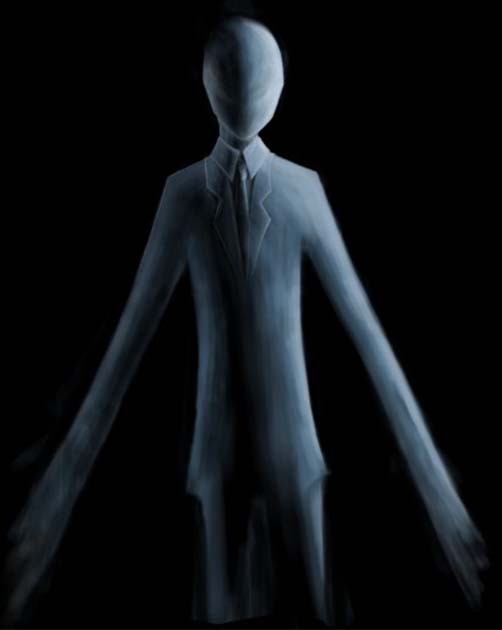
Faceless undead spirits of Taíno beliefs, the Hupia evokes horror to children in particular. Quite similar in function to modern horror culture’s myth of the Slender Man.  Source: CC BY-SA 4.0.

The Hupia’s Role in Jurassic Park

Read moreSo, What Exactly is Hidden Inside the Great Pyramid?

Crichton’s novel captures this theme by introducing the Hupia as a folkloric explanation for the plot’s mysterious incidents. In an early scene from the novel, villagers attribute deep lacerations on a mortally wounded 18-year old boy to the Hupia, only for the narrative to later reveal the true nature of the attacker: a Velociraptor. Similarly, the nightmarish attack on a young girl by another dinosaur called the Procompsognathus is initially blamed on these spirits.

Although fleeting scenes in the overall storyline, these specific references create an eerie juxtaposition between science and superstition. By invoking the Hupia, Crichton illustrates how traditional beliefs offer familiarity and language to explain the unexplainable. This creative twist roots the novel’s horror in both cultural lore and modern science.

Carnivorous Dinosaurs: Inspirations and Adaptations

Velociraptors in Jurassic Park are iconic but largely fictionalized. While their intelligence and social behavior captivate audiences, the real-life Velociraptor was much smaller—closer in size to a Thanksgiving turkey—and also covered in feathers. Crichton blended traits from the larger Deinonychus, a cousin of the Velociraptor and closer in size to the film’s raptors, to create a more formidable predator.
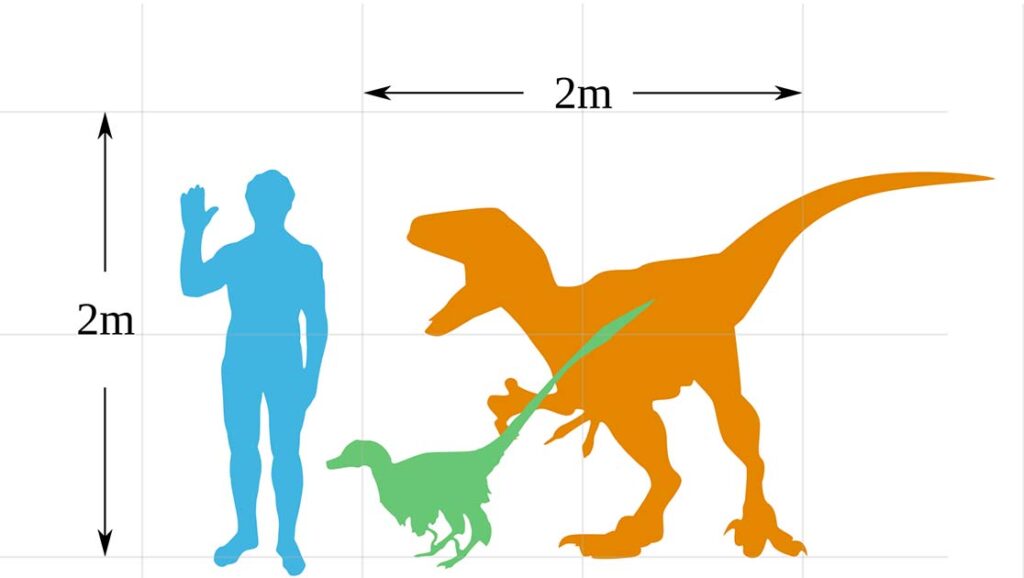
Size comparison between an average 6-foot tall human, a Jurassic Park Velociraptor and a scientifically accurate Velociraptor mongoliensis dinosaur. Source: CC BY-SA 4.0.

As for Procompsognathus, these were small scavengers about the size of chickens, but reimagined by Crichton into swarming lizard-like predatory threats. In the novel, he amplified their menace by inventing venomous traits, a significant departure from paleontology.

Read moreHawaii and the US: A Deal with the Devil

These liberties reflect Crichton’s genius in fusing scientific fact with speculative fiction, crafting creatures that evoke primal fear.
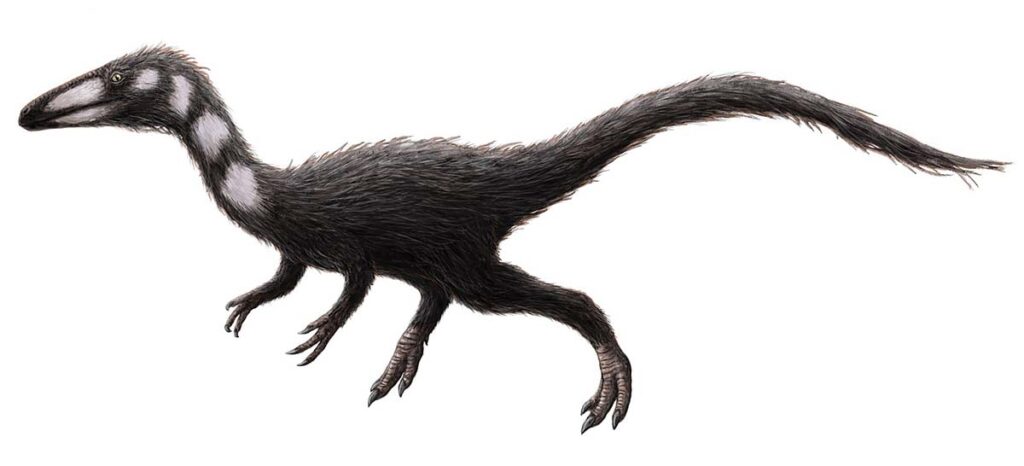
Scientifically accurate representation of the chicken-sized dinosaur Procompsognathus. Source: CC BY-SA 3.0.

Shared Symbolism: Primal Dinosaurs and Indigenous Spirits

The parallels between Velociraptors and the indigenous undead Hupia extend beyond physical terror. Both thrive in shadows, strike unexpectedly and embody the “facelessness” of relentless forces beyond human control. The Procompsognathus’ child-stealing nature further mirrors the legends surrounding the folkloric Hupia.

By blending myth with science, Crichton blurs the lines between ancient fears and modern ones. The Hupia symbolize humanity’s deep-seated psychological anxieties about the unseen, while the dinosaurs bring those fears to life in terrifying physical form.
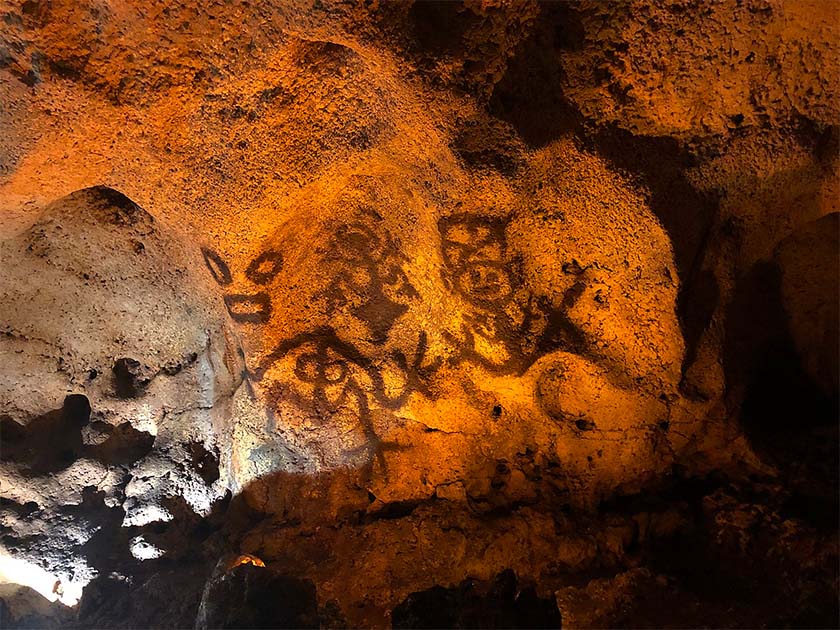
Ancient Taino cave art representing their indigenous beliefs of the afterlife at the Cuevas de las Maravillas, the Dominican Republic. Source: CC BY-SA 4.0.

The Lingering Impact & Warning of Jurassic Park 

Since the book and movie’s release, Velociraptors have transcended scientific discussion to become cultural symbols of cunning terror. Crichton’s imaginative leap turned obscure dinosaurs into modern-day boogeymen. In doing so, he also gave new visibility to indigenous Caribbean myths like the Hupia spirits even if indirectly.

By reviving the legend of the Hupia in a modern thriller, Jurassic Park and the recent incarnation of Jurassic World reminds us that myths are never just stories. They are echoes of real fears. In Crichton’s world, resurrected predatory dinosaurs and fear-inducing ghosts are two sides of the same coin: warnings of forces we don’t fully understand and should not attempt to control.

Crichton’s Jurassic Park is a meditation on fear, myth and the dark side of scientific vanity. The Hupia and the dinosaurs, though worlds apart in origin, converge in the narrative to remind us of one timeless truth: when we awaken ancient forces—be they spiritual or prehistoric—we may not be ready to face what emerges from the shadows.

Note: Our crew of writers here at AllThatHistory are also fans of Ali Awada’s creative videos and interpretations of Jurassic Park lore. His fan videos of Jurassic Park, which includes his own video adaptations or re-imaginings of some of Michael Crichton’s novel scenes (like the Hupia video above) are utterly amazing. Definitely a visual treat for all Jurassic Park lovers. Be sure to check Ali and his crew’s Youtube channel, give their videos a Like and a Subscribe, and tell them AllThatHistory.com sent you in their video comments! Thank you for reading!

Top image: The Prop Store of London – LA – Vampire from Priest by The Pop Culture Geek Network, CC BY-NC 2.0) Jurassic Waterloo: Echo by Michael Garnett, CC BY-NC-SA 2.0

References:

  • SparkNotes Editors. “Jurassic Park Symbols – The Hupia.” SparkNotes.com, SparkNotes LLC, n.d., www.sparknotes.com/lit/jurassicpark/symbols/.
  • Monstropedia. “Hupia.” Monstropedia.org, 18 Dec. 2008, www.monstropedia.org/index.php?title=Hupia.

You may also like

Maya Medical Systems Used Living Organisms as Precision Surgical Tools

Ancient Rock Art in Texas-Mexico Borderlands Endured 4,000 Years

The Thermal Engineering Behind Tiwanaku’s Agricultural Success

Thames River Bones Show 4,000 Years of Prehistoric Human Sacrifice

Ancient Smoke-Dried Mummies Discovered Across Asia Predate Egyptian Methods by Millennia

Drought Reveals Tombs in Northern Iraq Dating Back Over 2,000 Years

Allthathistory
Written by Allthathistory

Tags: Dinosaurs, hupia, indigenous, Jurassic Park, Jurassic World, spirit, Taino, undead, velociraptors

Leave a Reply Cancel reply

Your email address will not be published. Required fields are marked *

  • Ancient Rock Carvings Uncovered in Ecuador Point to Shared Amazonian Cultural Traditions
    Archaeologists have identified a panel containing approximately 30 ancient rock carvings in Santiago de Méndez canton, Morona Santiago province, marking
  • Stolen Hercules Fresco Finds Its Home After Decades in U.S. Collection
    Archaeologists at Pompeii have identified the original location of a looted fresco fragment depicting the infant Hercules strangling serpents, solving
  • Maya Medical Systems Used Living Organisms as Precision Surgical Tools
    Maya medical systems deployed living organisms as precision surgical tools centuries before germ theory existed. Recent archaeological evidence shows these
  • Ancient Rock Art in Texas-Mexico Borderlands Endured 4,000 Years
    Hunter-gatherers in what is now southwestern Texas and northern Mexico created rock art for more than 4,000 years, maintaining consistent
  • The Thermal Engineering Behind Tiwanaku’s Agricultural Success
    At nearly 3,850 meters above sea level, frost arrives almost nightly on Bolivia’s Altiplano. Modern visitors struggle to breathe. Yet
The Gnostic Gospels
Encounters at the Heart of the World: A History of the Mandan People
Substack Articles

Latest from AllThatHistory Weekly

What Sank to the Bottom of a Swiss Lake 2,000 Years Ago

What Sank to the Bottom of a Swiss Lake 2,000 Years Ago

In November 2024, the Cantonal Office of Archaeology of Neuchatel was conducting routine aerial monitoring of the lakebed when a photograph revealed something that did not belong there.

Read More →
13,000 Years Ago, Someone Painted a Bison in the Dark. We Just Found Out When.

13,000 Years Ago, Someone Painted a Bison in the Dark. We Just Found Out When.

The Font-de-Gaume cave sits in a limestone hillside near the town of Les Eyzies in the Dordogne region of southwestern France.

Read More →
The War Horn That Made Roman Soldiers Flinch

The War Horn That Made Roman Soldiers Flinch

In the summer of 2025, during a routine archaeological excavation ahead of a housing development in West Norfolk, England, a construction site turned up something unexpected.

Read More →
Britain Wasn’t Always an Island: The Drowned World Beneath the North Sea

Britain Wasn’t Always an Island: The Drowned World Beneath the North Sea

The North Sea was not always there. Before the water arrived, before the English Channel cut Britain off from continental Europe, there was land. Dry, forested, inhabited land.

Read More →
Iran-War: Near Middle East Burning – Ancient History Repeating?

Iran-War: Near Middle East Burning – Ancient History Repeating?

Watching the Iran-war in the Near Middle East region, our news screens project scene after scene of ominous dark smoke billowing from yet another target hit by an airstrike. The first week of April 2026 heralded the announcement that airstrikes on Isfahan in Iran and southern Lebanon has increased.

Read More →
When Spices Were Worth More Than Gold

When Spices Were Worth More Than Gold

In 410 CE, when the Visigoths besieged Rome, they demanded ransom: gold, silver, silk, and 3,000 pounds of pepper.

Read More →
❮
❯

Subscribe to receive our newest archaeology articles, long-form investigations, and historical insights directly in your inbox.

© Copyright AllThatHistory - 2025