
Archaeology & Discoveries
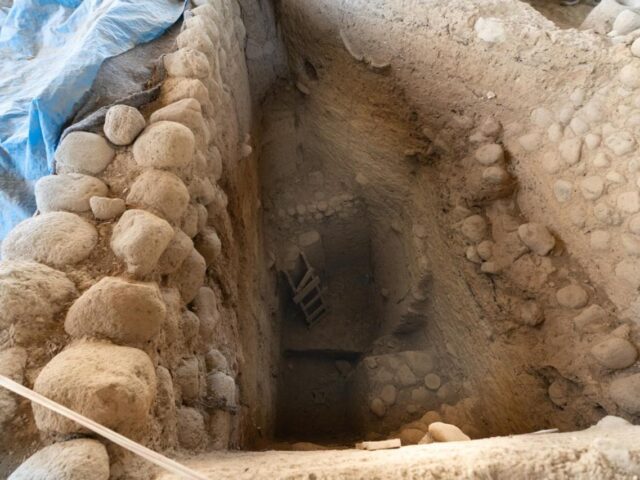
Yassıtepe Trade Settlement: İzmir’s 5,000-Year-Old Fortified Hub
On the Bornova Plain in modern İzmir, archaeologists are refining the picture of a roughly 5,000-year-old planned community that excavation director Doç. Dr. Zafer Derin has nicknamed “İzmir’s Troy.” That phrase is…
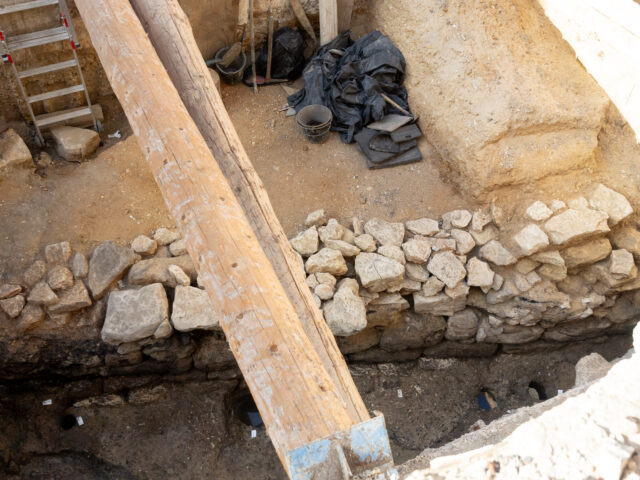
Ancient Paris Wall Find May Point to Gallic Lutetia on Île de la Cité
A stretch of stone-and-wood fortification under one of Paris’s oldest hospital courtyards is forcing a fresh look at where the city’s Gallic story begins. French culture officials this week described the find…
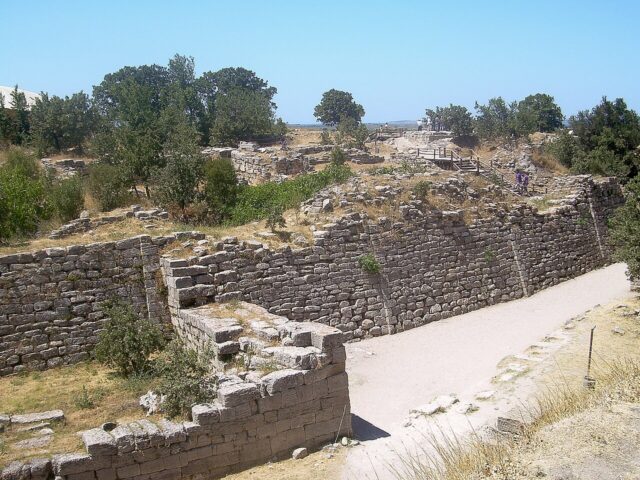
Troy’s Earliest Agora: Settlers Returned Within a Century
Archaeologists working at Hisarlık in northwestern Türkiye say a Troy agora discovery has clarified how the legendary city became later Ilion — not after centuries of silence, but within a few generations…
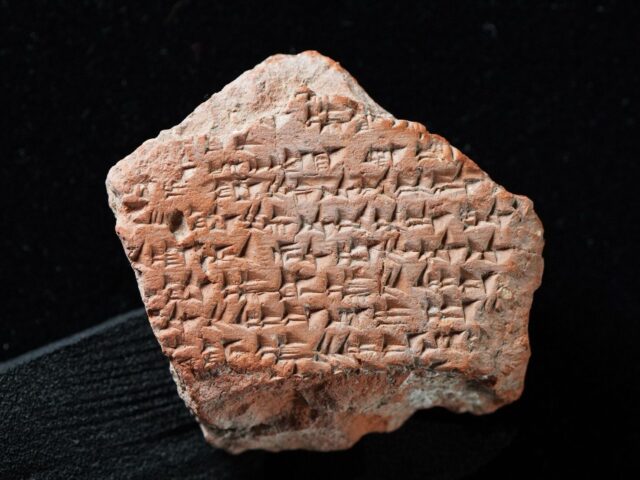
Kadesh Peace Treaty Fragment Found at Hattusa Covers Fugitives
Researchers working at Hattusa, the Hittite capital near Boğazkale in Çorum province, central Türkiye, have identified a newly recovered clay piece as a Kadesh peace treaty fragment—an Akkadian cuneiform copy of the…
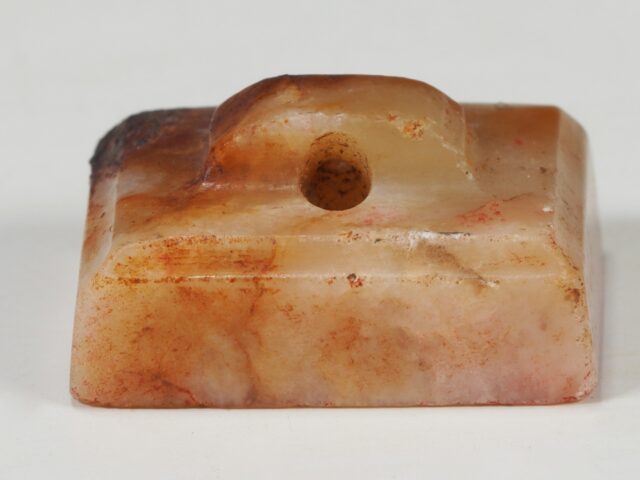
Proposed Huayang Qin mausoleum fills gap in Xianyang’s late Qin royal cemeteries
Chinese archaeologists have outlined a late Warring States Qin royal cemetery on the Xianyang plain that researchers say Huayang Qin mausoleum debates have long needed: a well-planned “double-ring” burial landscape whose scale…
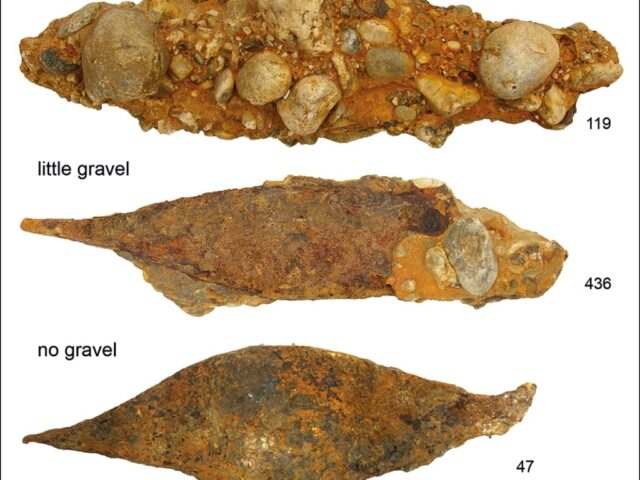
Deinham Danube Iron Bars: Europe’s Largest La Tène Iron Cargo
A hoard of roughly 500 bipyramidal Deinham Danube iron bars—about a metric ton of La Tène semi-finished iron—recovered from a Danube gravel pit at Deinham near Hartkirchen, Upper Austria, is the largest…