
Artifacts & Treasures
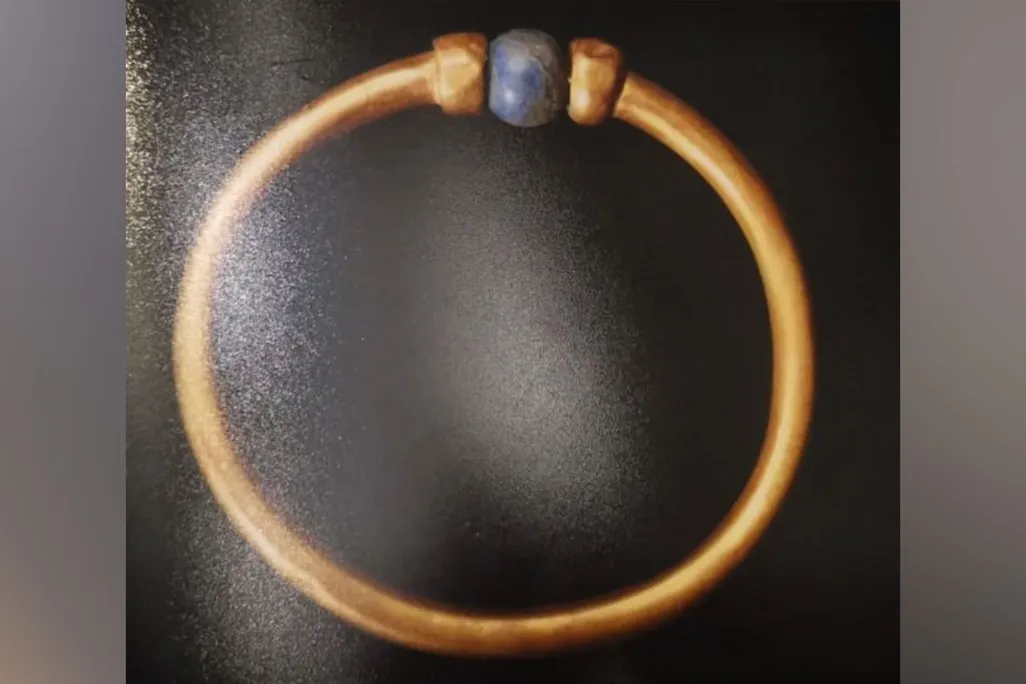
Museum Employee Steals 3,000-Year-Old Egyptian Pharaoh’s Bracelet, Sells for $4,000
A 3,000-year-old gold bracelet belonging to an ancient Egyptian pharaoh has been stolen from Cairo’s Egyptian Museum, sold for less than $4,000, and melted down by a gold smelter. Egyptian authorities have…
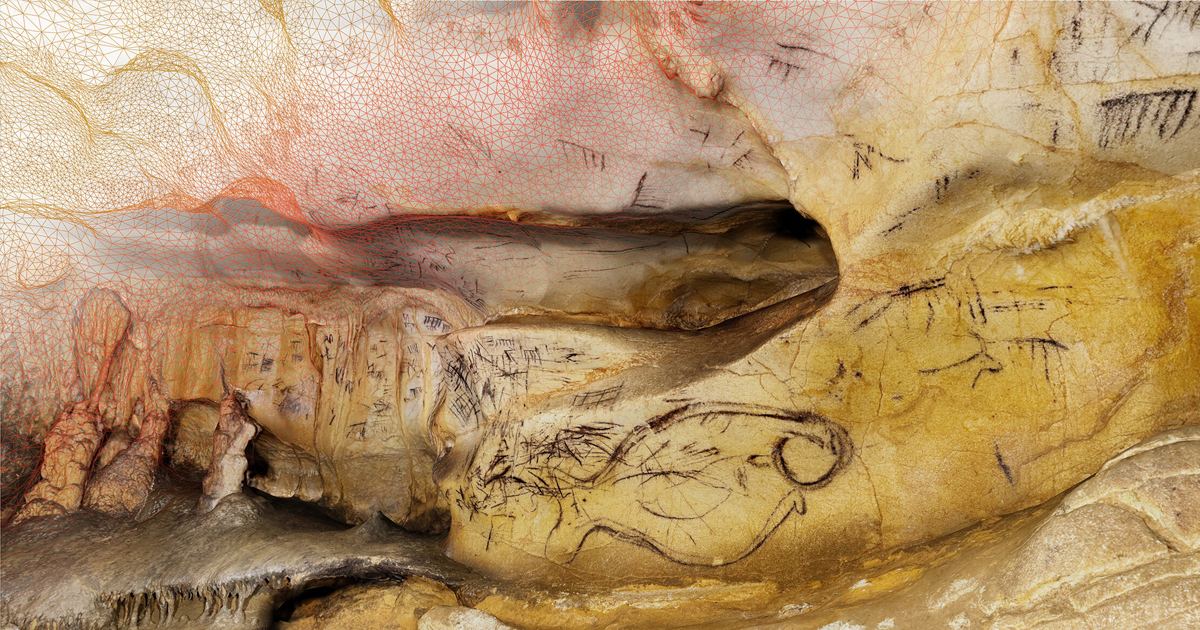
Spanish Researchers Create First Complete 3D Map of Historic La Pileta Cave Using Advanced LiDAR
University of Seville researchers have successfully captured the first comprehensive three-dimensional digital model of La Pileta Cave in Benaoján, Málaga, using cutting-edge LiDAR technology. This breakthrough provides unprecedented documentation of one of…

Revolutionary Laser Method Reveals Age of Chinese Dinosaur Eggs for First Time
Fossil hunters struck gold in China’s Hubei Province, where ancient dinosaur eggs have finally revealed their true age through groundbreaking scientific techniques. For the first time in paleontological history, researchers have successfully…
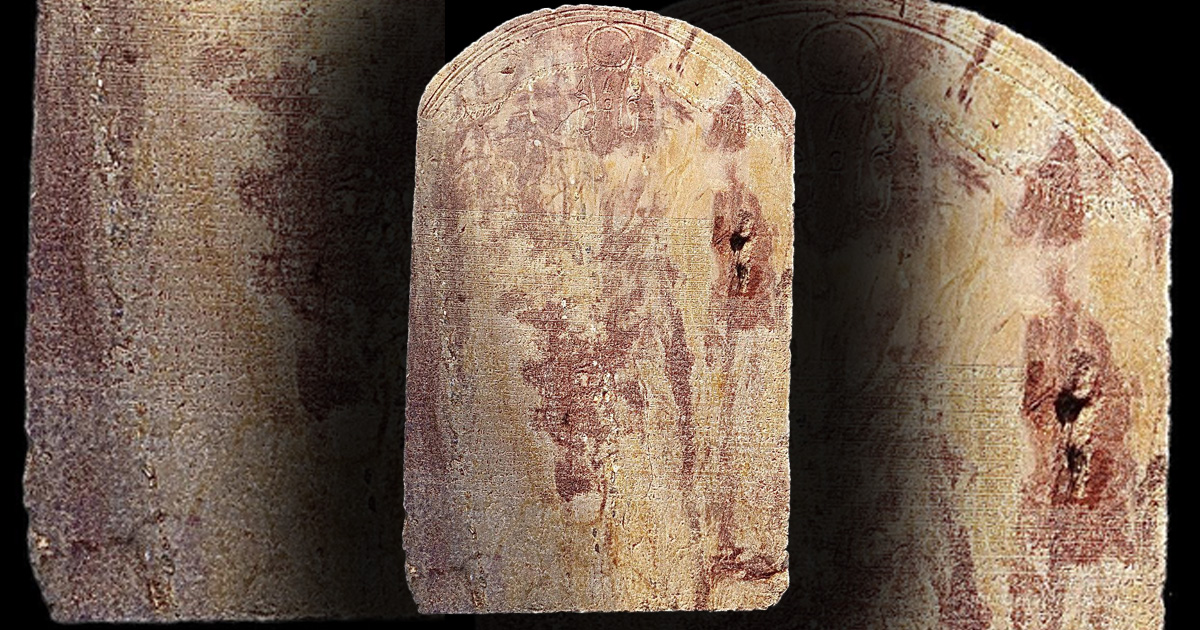
Egyptian Archaeologists Uncover Historic Hieroglyphic Stone Second Only to Rosetta Stone
Egyptian excavators working in Sharqia Governorate have pulled a massive sandstone tablet from the earth that scholars are calling the most important linguistic discovery in more than a century. The stone bears…

Bronze Celtic Warrior Found Among 40,000 Artifacts in Bavarian Excavations
German archaeologists have uncovered a three-inch bronze Celtic warrior figurine among more than 40,000 artifacts during three years of excavations at Manching oppidum in Bavaria. Standing just under three inches tall, the…

Ancient Tablet Reveals Lost Sumerian Myth: Hero Fox Saving an Anunnaki God
For 4,400 years, a small clay tablet lay hidden inside the ruins of the Ancient Sumerian city of Nippur (in what’s now southern Iraq). This tablet may be miniscule but it reveals…