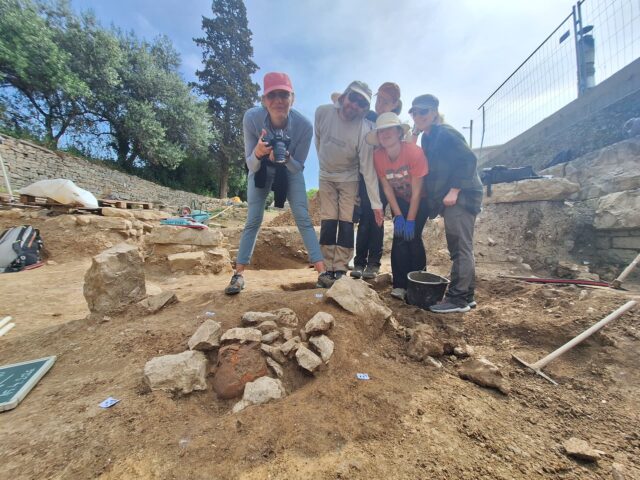
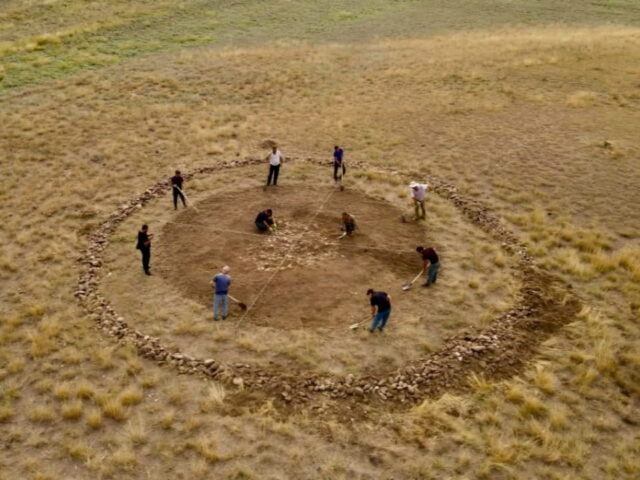
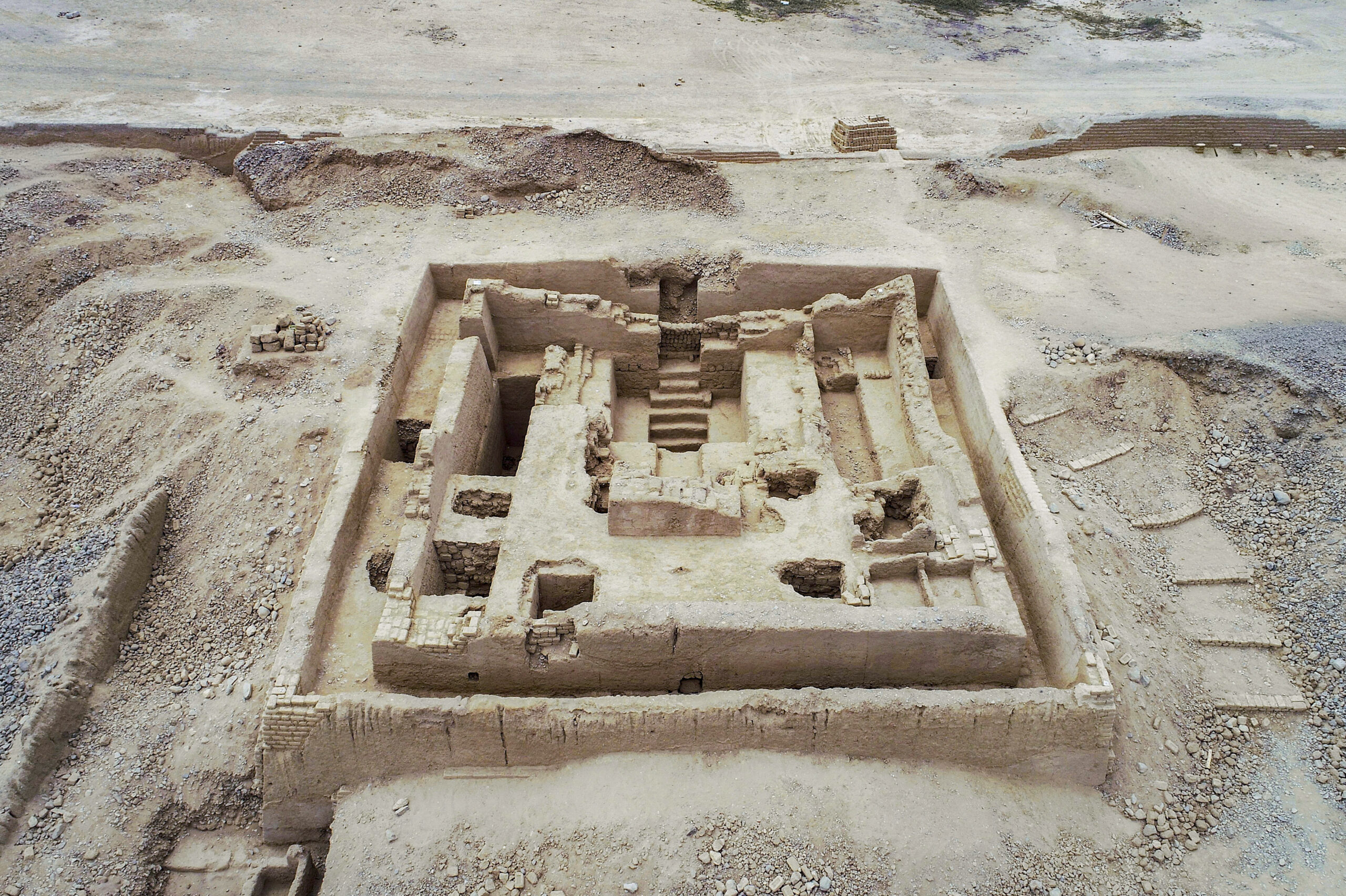
Ruth Ordóñez, INPC Zone 6 Director, with newly identified petroglyphs in the Santiago de Méndez area. Courtesy.

Ancient Rock Carvings Uncovered in Ecuador Point to Shared Amazonian Cultural Traditions

Archaeologists have identified a panel containing approximately 30 ancient rock carvings in Santiago de Méndez canton, Morona Santiago province, marking a new discovery in Ecuador’s Amazonian archaeological record. Officials from the National Institute of Cultural Heritage (INPC) Zone 6 announced the find following field inspections conducted December 9-10, 2025. The petroglyphs were documented during routine

Maggots

Maya Medical Systems Used Living Organisms as Precision Surgical Tools

Maya medical systems deployed living organisms as precision surgical tools centuries before germ theory existed. Recent archaeological evidence shows these practitioners selected leeches, maggots, and even human hair not for symbolic value but for their measurable biological properties. This wasn’t primitive healing dressed in ritual. It was controlled ecological manipulation. Colonial Spanish accounts dismissed Maya

Rock art from along the U.S.-Mexico border persisted for more than 4,000 years. (Image credit: Steelman et al., Sci. Adv. 11, eadx7205)

Ancient Rock Art in Texas-Mexico Borderlands Endured 4,000 Years

Hunter-gatherers in what is now southwestern Texas and northern Mexico created rock art for more than 4,000 years, maintaining consistent imagery and techniques that depicted their conception of the universe. The tradition, known as the Pecos River style, first appeared almost 6,000 years ago in the Lower Pecos Canyonlands and persisted until roughly 1,400 to

Aerial view of reconstructed Tiwanaku raised agricultural fields showing elevated planting platforms separated by water channels near Lake Titicaca, Bolivia

The Thermal Engineering Behind Tiwanaku’s Agricultural Success

At nearly 3,850 meters above sea level, frost arrives almost nightly on Bolivia’s Altiplano. Modern visitors struggle to breathe. Yet between 500 and 1100 CE, tens of thousands of people not only survived here but thrived, building one of the Andes’ first true cities. Tiwanaku engineers developed raised-field agriculture systems that used thermal physics to

Archaeologists say the people of Caral fled to various sites, including Peñico, Peru (pictured), where they found murals depicting the drought. Photograph: Caral Archaeological Zone

Ancient Peruvians Survived Climate Catastrophe Through Adaptation, Not War

Archaeologists working in Peru’s Supe Valley have uncovered compelling evidence of how the Americas’ oldest known civilization weathered a devastating climate crisis 4,000 years ago. The recent discovery of Peñico, a 3,800-year-old settlement, reveals that the ancient Caral people responded to prolonged drought by relocating and adapting rather than engaging in violent conflict over dwindling

These holes at Monte Sierpe in Peru may once have held crops, goods and tribute, a new study suggests. (Image credit: C. Stanish; Antiquity Publications Ltd; CC BY 4.0)

Peru’s Mysterious “Band of Holes” May Have Been Ancient Marketplace and Accounting System

A decades-old archaeological puzzle in Peru’s Pisco Valley may finally have an answer. More than 5,200 circular depressions carved into the hillsides of Monte Sierpe have baffled scientists since aerial photographs revealed their existence in 1933. Advanced drone mapping and soil analysis now point to a surprising dual purpose: an ancient trading hub that imperial

1 2 3 37