1,600-Year-Old Church in Altino May Explain Venice’s Origins
The ancient church in Altino dates to the late fourth or early fifth century and may explain how communities around Venice developed.

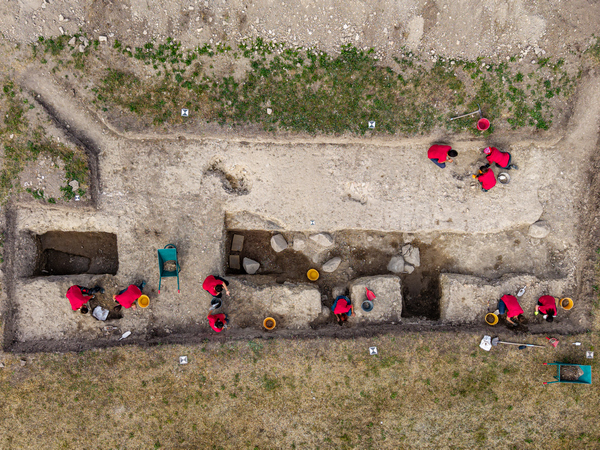
Archaeologists have identified a large ancient church in Altino, northern Italy. The building dates to the late fourth or early fifth century AD. Its discovery may help explain how the communities around Venice changed during the early Middle Ages.
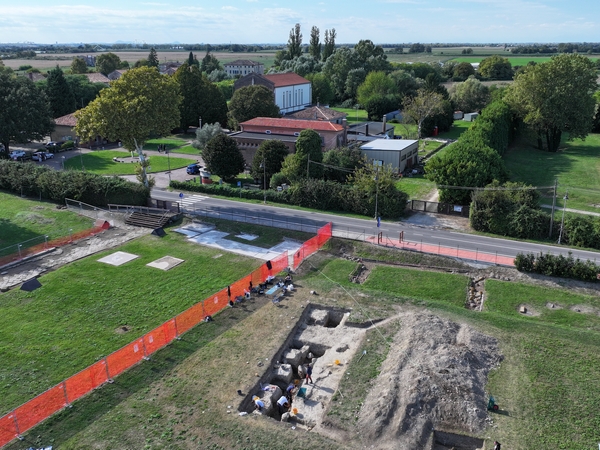
Ca’ Foscari University of Venice announced the discovery on October 15, 2026. Researchers identified the church during excavations in the Altino Archaeological Park. They also found a large neighboring building that may have served as a bishop’s residence.
What the Ancient Church in Altino Reveals
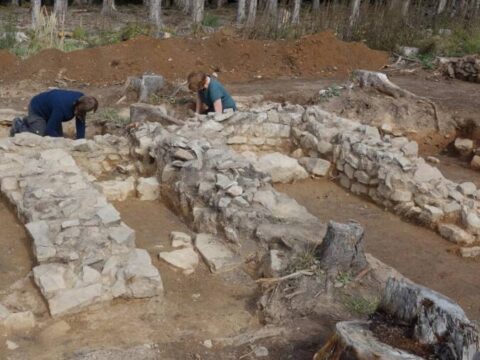
The church measures about 30 by 20 meters. Its rectangular layout has no apse, and the building faces east. Its orientation differs from the surrounding Roman street grid. Researchers believe the ancient church in Altino may be the city’s long-lost episcopal church. Historical texts mention the building, but archaeologists had not previously identified its exact location.
A letter from Saint Jerome offers another important clue. In AD 396, Jerome wrote about a church in Altino. He described its altar, walls, floors, curtains and sacred vessels. The date matches the period when archaeologists believe the church first stood. However, researchers have not proved that this building is the exact church Jerome described.
Roman Road Stones Built the Foundations
Archaeologists also identified a large building east of the church. Its strong foundations suggest that it may have stood two stories tall. Researchers believe it could have served as the bishop’s residence. The building contains another important clue. Its foundations reuse large trachyte stones from Roman roads. Builders placed the paving stones upside down when they constructed the later complex.
This reuse shows how people adapted older buildings and materials as Altino changed. Researchers also believe it reflects the bishop’s growing influence over the city. The team has not yet uncovered the entire complex. An unexcavated area may contain a baptistery, but archaeologists still need to investigate that possibility.
What Happened to Altino?
Altino once served as an important Roman settlement near the Venetian Lagoon. Its history helps explain how communities developed before Venice became a major medieval city. Traditional accounts often describe people fleeing to the lagoon during invasions. Archaeological evidence now points to a more gradual transition. Researchers believe Altino’s bishop eventually moved his seat to Torcello, an island in the lagoon. The church at Altino appears to have been dismantled during the first half of the seventh century.
Evidence from Torcello supports this timeline. An inscription there dates to AD 639, while excavations have revealed an early religious complex. These findings suggest that communities reorganized their religious centers over time. They do not mean that every resident left Altino at once. The ancient city later supplied building materials for construction across the lagoon. Workers removed bricks and stones from older structures and reused them elsewhere.
Why Archaeologists Are Still Investigating
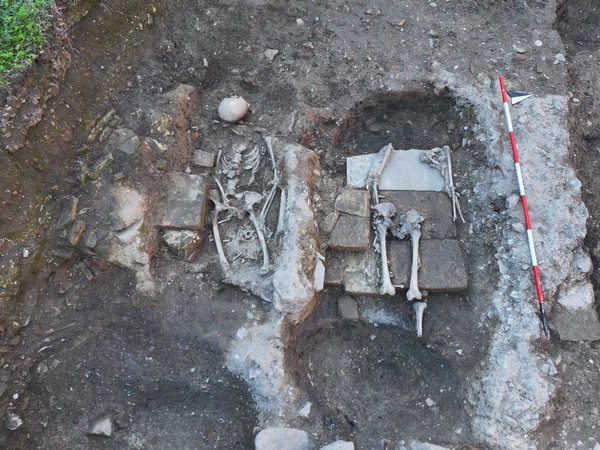
Modern farming and centuries of stone removal damaged much of Altino’s later Roman and early medieval remains. In many places, archaeologists find the trenches left behind when people removed walls and foundations. A modern road also cuts through the middle of the newly identified church. This makes it harder for researchers to reconstruct the building’s complete layout. The excavation team plans to study recovered artifacts and human remains. Researchers also intend to carry out radiocarbon dating and geophysical surveys.
These investigations may reveal more about the people buried near the church. They could also help researchers locate the possible baptistery and clarify the neighboring building’s purpose.For now, the discovery gives archaeologists a clearer picture of Altino’s transformation. It also adds physical evidence to the story of how settlements around the Venetian Lagoon developed before medieval Venice rose to prominence.