
Underground Aqueduct in Italy Reveals Water Engineering Before Rome
A 100-meter pre-Roman aqueduct discovered in Italy’s Sabine Hills reveals how ancient communities managed water before Roman rule.

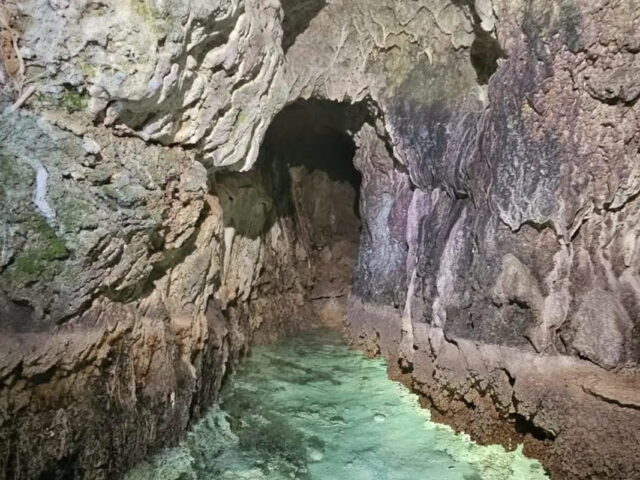
Long before Rome became famous for its aqueducts, communities in central Italy were already carving water systems into solid rock. A newly documented underground aqueduct in the Sabine Hills offers a closer look at the engineering skills that existed before Roman rule.
Archaeologists have surveyed about 100 meters (328 feet) of the ancient structure at Monteleone Sabino, in Italy’s Rieti province. The discovery provides new evidence of how people managed settlements and agricultural land before the area became part of the Roman world.
The Vespertilio Speleological-Archaeological Group led the investigation. The team worked under the direction of the regional archaeological superintendency and with the local town administration.
A Tunnel Carved Through Solid Rock
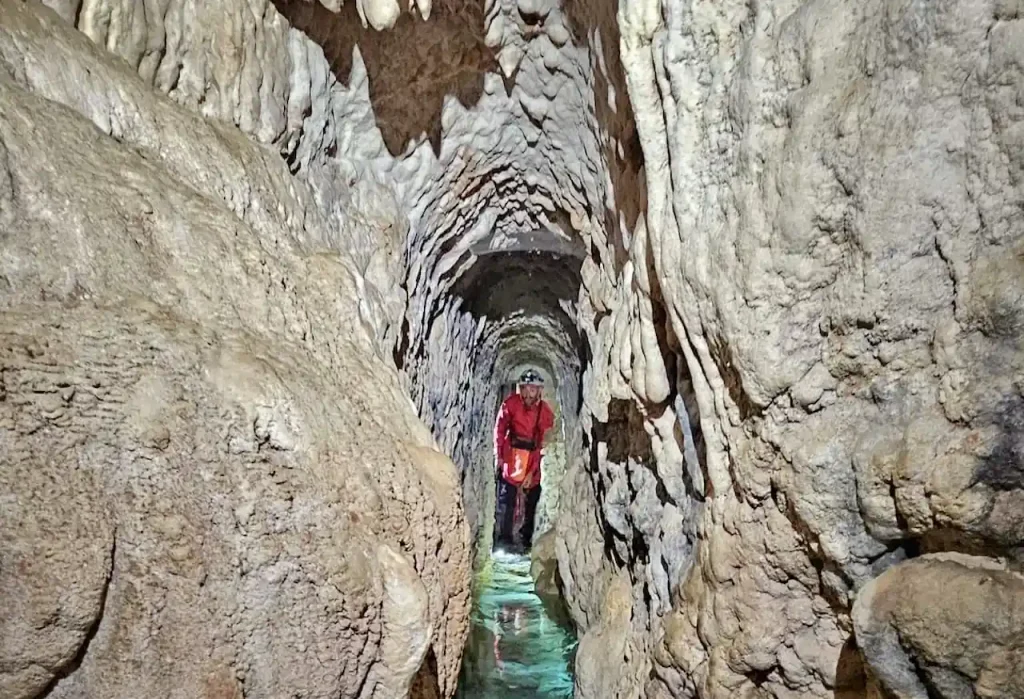
The underground conduit has a pointed, arch-like cross-section known as an ogival shape. Builders carved it through layers of conglomerate, a type of rock made from rounded stones cemented together. Bands of clay-rich marl also run through the rock. Working through these different layers required careful planning. The team found clues about how the builders created the passage.
Workers first cut smaller passageways across the planned route at regular intervals. They then excavated along the ridge of the hill to create the main conduit. This method suggests that the builders planned the route before completing the tunnel. Their approach allowed them to construct a substantial underground system through difficult geological conditions. Archaeologists can now inspect around 100 meters of the structure. The full extent of the system remains unknown.
A Water System Built for the Land
The aqueduct’s importance goes beyond its construction. Researchers believe it served agricultural purposes and helped drain land, improve soil conditions and control water. Water management was essential for farming communities. Too much water could leave fields saturated. Poor control could also make land less productive. An underground channel gave local communities a way to manage these problems. It also helped them make better use of the surrounding landscape.
The scale of the project raises questions about how workers organized the construction. Digging a long underground conduit required labor, technical knowledge and resources. Researchers say the project points to an organized authority capable of coordinating such work. The settlements in this landscape have been linked to the pagus of the Mutuesci. In ancient Italy, a pagus was a rural territorial district. The findings suggest that communities in the area had the resources needed for major infrastructure projects. However, researchers have not established the exact date of construction. They also do not know who built the aqueduct.
Communities Before Roman Rule
The discovery adds to our understanding of life in Sabina before Roman political control spread through the region. The landscape contained a network of small settlements known as vici. These communities connected to a strategic road between the inland Apennine areas and the Sabine territory near the Tiber River. The road and settlement network shows that the region contained connected communities rather than isolated villages. Water management formed another part of this system.
The aqueduct therefore offers more than evidence of ancient engineering. It shows how communities planned their territory and supported agriculture. Rome later became famous for its large aqueducts. These systems supplied cities, public baths and fountains. But water engineering in Italy did not begin with Roman power. Other communities had already developed ways to move and control water. The newly documented conduit provides another example of the technical knowledge that existed outside Rome’s later infrastructure.
Archaeologists Continue to Explore the Underground Network
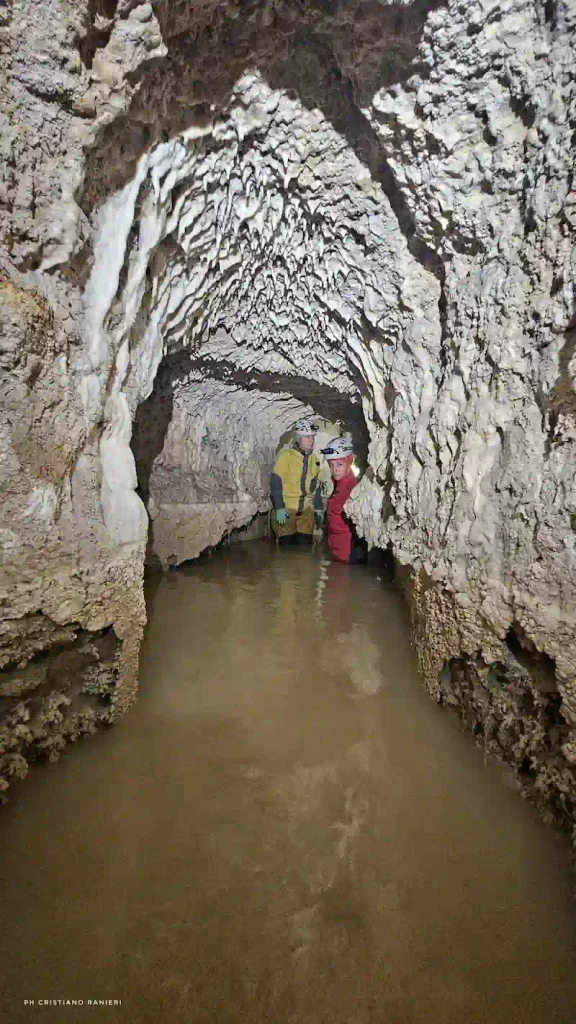
The investigation forms part of wider research into underground structures across the Sabine Hills. Archaeologists are working with speleologists, specialists who study caves and underground spaces. Together, they are examining features that may preserve evidence of earlier settlement and land use. This approach allows researchers to study tunnels and other structures that can be difficult to reach through normal archaeological excavation.
The team presented its preliminary results at the fifteenth Lazio and Sabina Studies Conference in 2026. Further research may reveal how the aqueduct functioned, how much of the system survives and how it connected to nearby settlements. For now, the 100-meter conduit offers a striking glimpse of engineering before Roman rule. Cut through ancient rock, it shows how people in central Italy developed practical ways to manage water and shape the landscape long before Rome became famous for its aqueducts.