
Archaeology & Discoveries
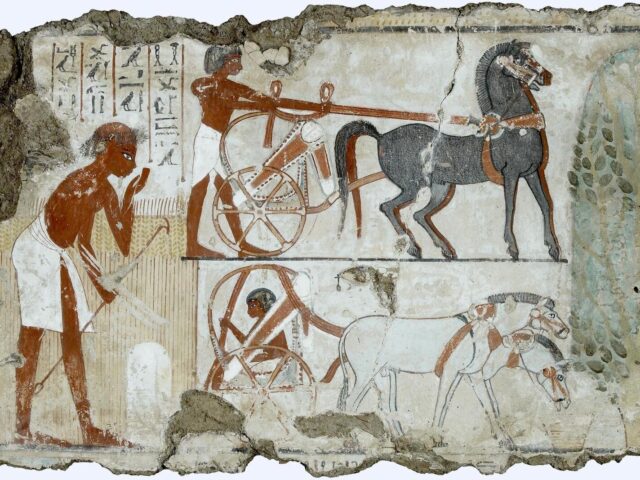
Abqaa Egyptian Horse Burial: New Kingdom Fort Yields Ceremonial Steed
Inside a New Kingdom frontier fortress on Egypt’s western Nile Delta, archaeologists have documented what ministry coverage frames as an intentional burial of a young male horse—roughly three millennia oldtogether with fittings…
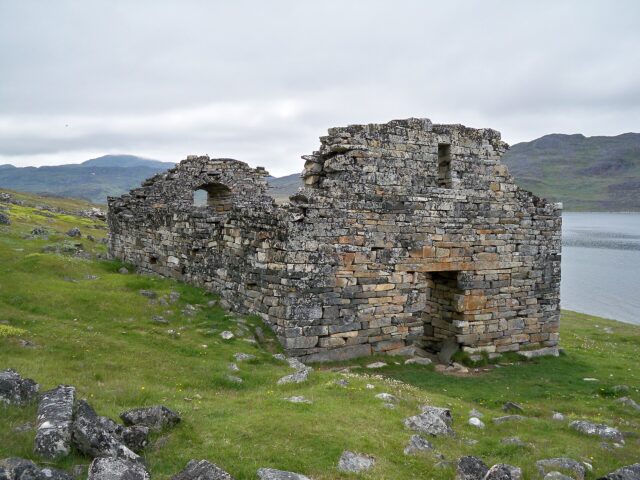
Qinngua Norse Church Greenland: East-Facing Grave Confirms Medieval Site
An east-oriented skeleton uncovered during summer fieldwork has confirmed what surveyors long suspected: a medieval church and churchyard at Qinngua Norse church Greenland, near Narsarsuaq in the south of the island. Announced…
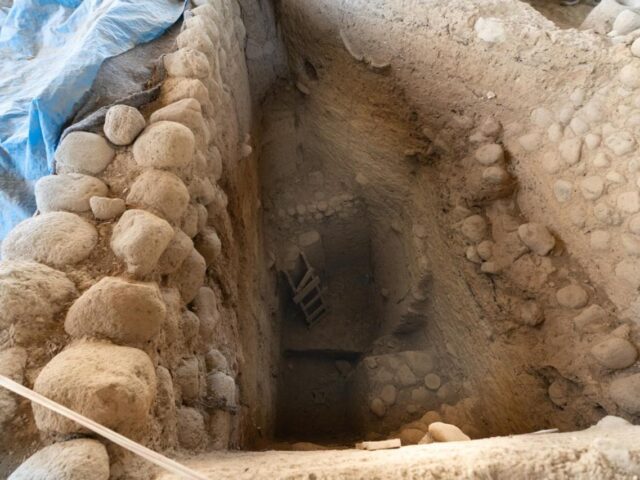
Yassıtepe Trade Settlement: İzmir’s 5,000-Year-Old Fortified Hub
On the Bornova Plain in modern İzmir, archaeologists are refining the picture of a roughly 5,000-year-old planned community that excavation director Doç. Dr. Zafer Derin has nicknamed “İzmir’s Troy.” That phrase is…
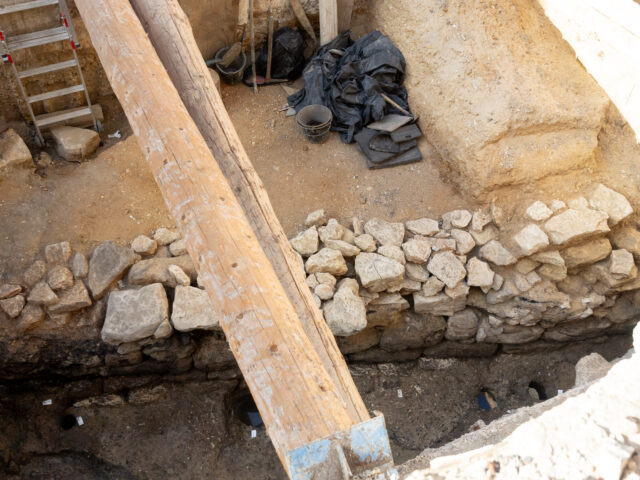
Ancient Paris Wall Find May Point to Gallic Lutetia on Île de la Cité
A stretch of stone-and-wood fortification under one of Paris’s oldest hospital courtyards is forcing a fresh look at where the city’s Gallic story begins. French culture officials this week described the find…
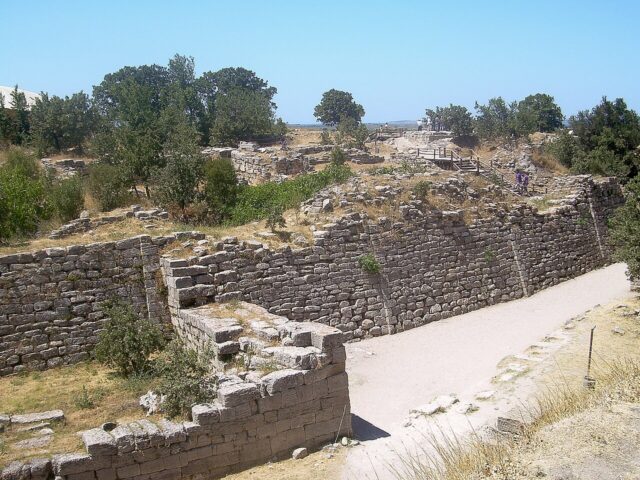
Troy’s Earliest Agora: Settlers Returned Within a Century
Archaeologists working at Hisarlık in northwestern Türkiye say a Troy agora discovery has clarified how the legendary city became later Ilion — not after centuries of silence, but within a few generations…
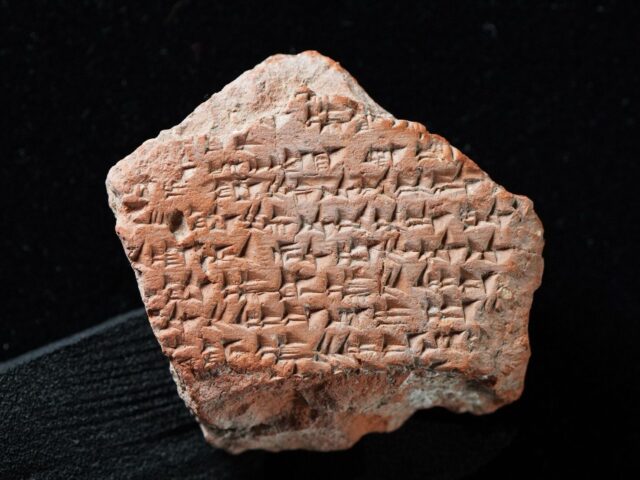
Kadesh Peace Treaty Fragment Found at Hattusa Covers Fugitives
Researchers working at Hattusa, the Hittite capital near Boğazkale in Çorum province, central Türkiye, have identified a newly recovered clay piece as a Kadesh peace treaty fragment—an Akkadian cuneiform copy of the…