
Archaeology & Discoveries
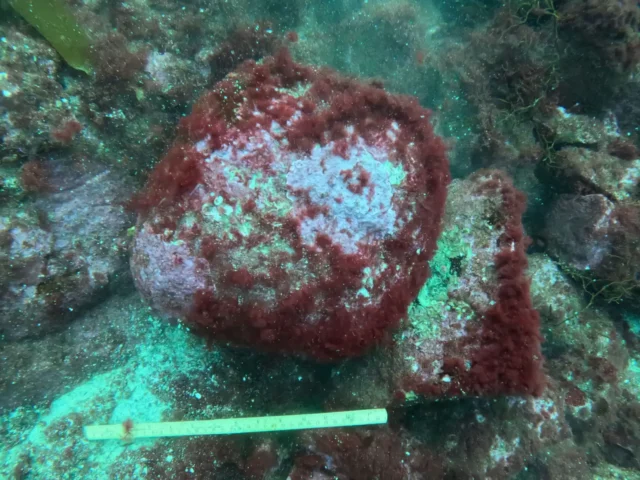
Possible Stone Age Boat Anchor Discovered Underwater Off Norway
A Stone Age anchor in Norway may offer a rare clue to how people traveled by water thousands of years ago. Archaeologists recovered a heavy, grooved stone from the seabed near a…
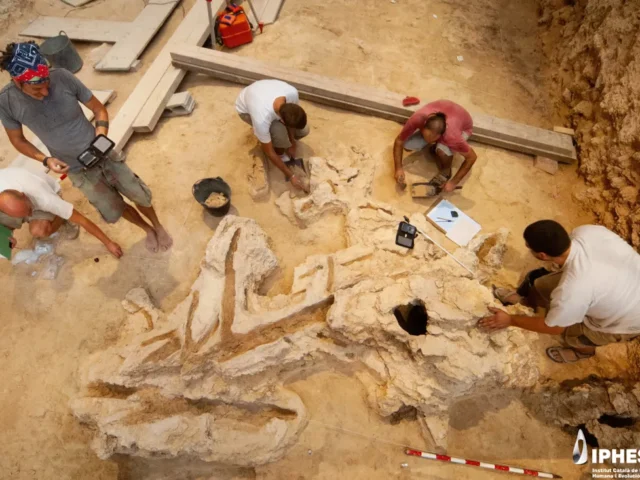
Neanderthals Made Wooden Spears, Containers and a Possible Club 60,000 Years Ago
Neanderthals are often remembered for their stone tools, but a remarkable collection of ancient wooden remains from Spain is revealing another side of their technology. Tens of thousands of years ago, these…
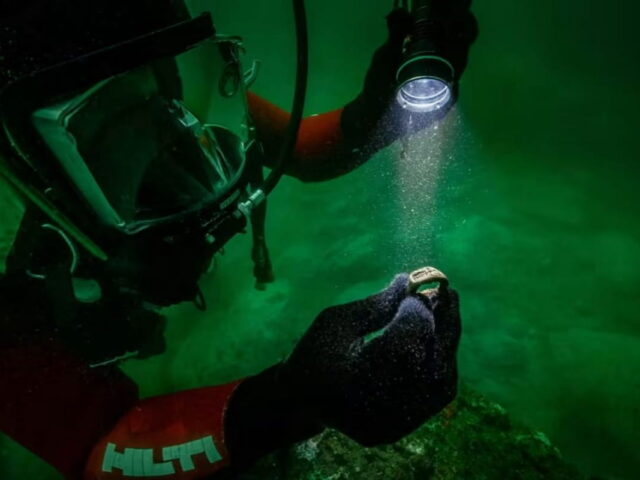
Ancient Image of the Lighthouse of Alexandria Found on Bronze Ring
A tiny bronze ring recovered from the submerged ruins of Alexandria has revealed a rare image of one of the ancient world’s greatest lost monuments: the Lighthouse of Alexandria. Underwater archaeologists found…
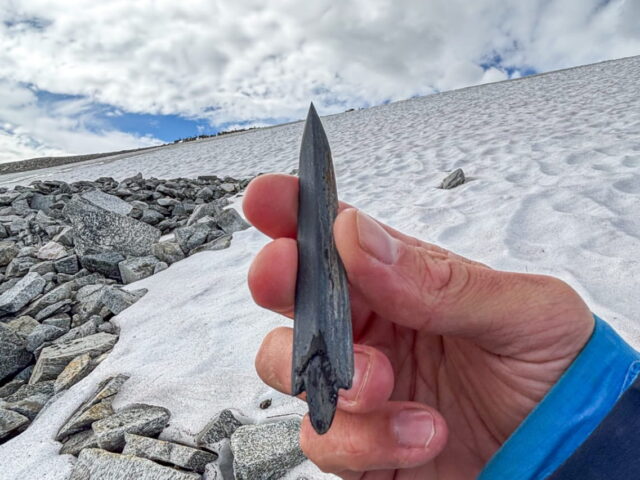
5,000-Year-Old Arrow Emerges From Melting Ice in Norway
A 5,000-year-old arrow has emerged from melting mountain ice in Norway, still carrying part of its wooden shaft and a finely made slate arrowhead. It is one of 48 prehistoric arrows archaeologists…
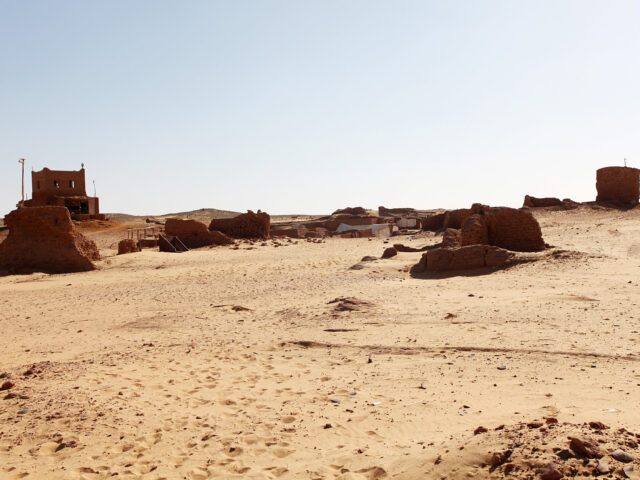
Bir El-Shaghala Pyramid Tomb: Roman-Era Burial Holds a Greek Elegy
Near Mut, the capital of Egypt’s Dakhla Oasis, archaeologists have uncovered a Roman-era tomb that mixes pharaonic religion with Greek poetry. The Bir El-Shaghala pyramid tomb, announced in September 2026 by Egypt’s…
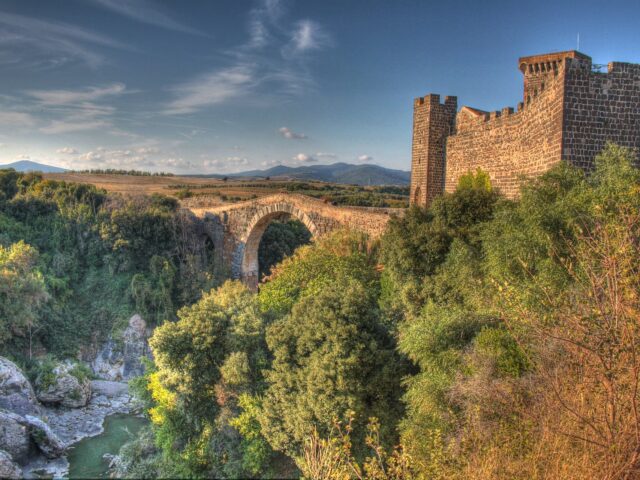
Vulci Tomb of the Stone Chamber: Monumental Etruscan Tomb Survives Looters
In the Polledrara necropolis of ancient Vulci, north of Rome, archaeologists have opened a monumental Etruscan tomb that repeated 20th-century looting failed to empty. The Vulci Tomb of the Stone Chamber—in Italian,…