
Hungarian Archaeologists Uncover 1,300-Year-Old Avar Warrior Burial with Intact Sabre
A team from the Szent István Király Museum has discovered an elite warrior’s grave near Aba and Székesfehérvár in central Hungary. The burial, dated between 670 and 690 CE, belonged to a member of the Avar Khaganate, the nomadic empire that ruled the Pannonian Basin and much of Central and Eastern Europe during the early medieval period.
The Avars arrived in the region during the 6th century and quickly established dominance through military prowess and strategic alliances. Their conflicts with Byzantium lasted from 568 to 626, leaving a mark on the political landscape of the era. They also influenced Slavic migration patterns across Southeastern Europe. Physical evidence of their society remains scarce, making each new burial discovery significant for understanding their culture.
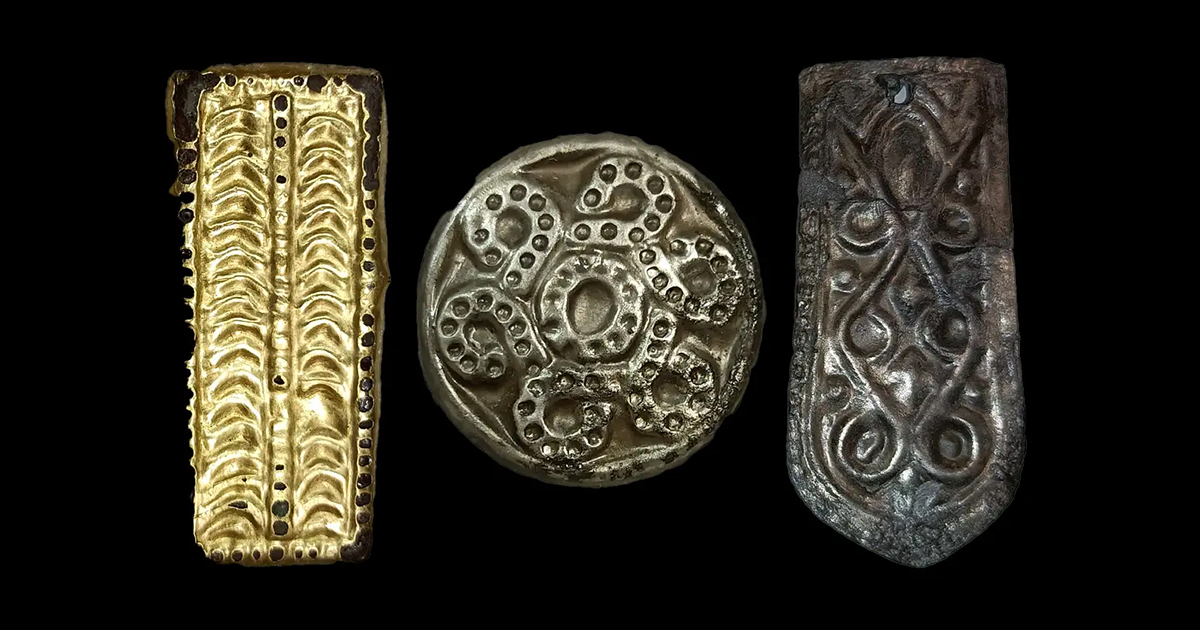
Excavators found the tomb already disturbed by ancient looters who had scattered the skeleton’s upper portions—head, chest, and abdomen. Yet the burial yielded a wealth of objects that speak to the warrior’s high rank. A complete sabre with blade and hilt survived intact. Silver belt fittings, a long knife, gilded braid ties, glass bead earrings, and arrowheads also remained in place. The arm bones and lower body stayed in their original positions despite the earlier disturbance.
What puzzles researchers is the looters’ selectivity. They left behind the warrior’s weapons and many ornamental pieces, items that would have held considerable value in any era. Whether they were interrupted, scared off, or simply uninterested in military equipment remains unknown.
Removing the sabre tested the excavation team’s skills. More than thirteen centuries underground had left the weapon dangerously fragile. Museum volunteers from the Community Archaeology Program constructed a custom wooden cradle to support the sabre and its surrounding soil block. This innovation allowed specialists to transport the weapon to laboratory facilities without damage, where they could conduct detailed micro-excavation under controlled conditions.
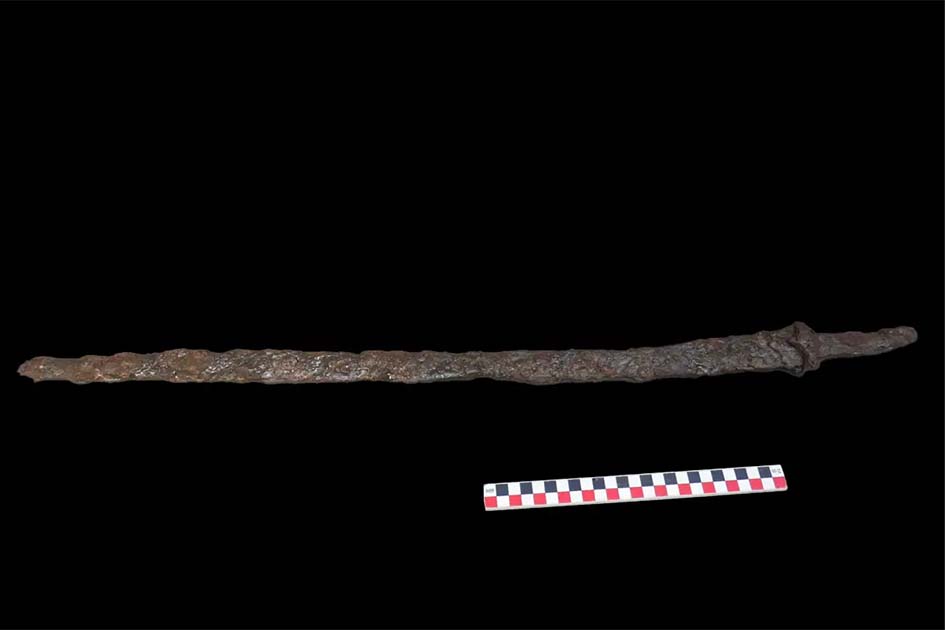
Conservator Petra Bódisné Szalontai completed the painstaking restoration work. The sabre emerged with its elegant curve and decorative traces visible—characteristics that place it among the rarest Avar weapons on record. The silver and gilded ornaments revealed sophisticated metalworking techniques. These pieces demonstrate both the warrior’s elevated social standing and the technical abilities of Avar craftsmen, who worked with precious metals to create objects of lasting beauty.
The grave contents provide tangible evidence of Avar Khaganate society during the late 7th century. Despite the ancient looting, what survived documents the wealth, artistic achievement, and burial customs of a nomadic power that shaped early medieval Europe.


Leave a Reply