
Archaeology & Discoveries
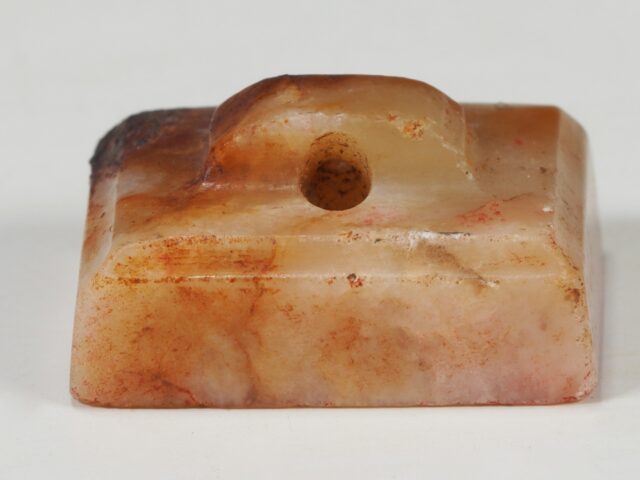
Proposed Huayang Qin mausoleum fills gap in Xianyang’s late Qin royal cemeteries
Chinese archaeologists have outlined a late Warring States Qin royal cemetery on the Xianyang plain that researchers say Huayang Qin mausoleum debates have long needed: a well-planned “double-ring” burial landscape whose scale…
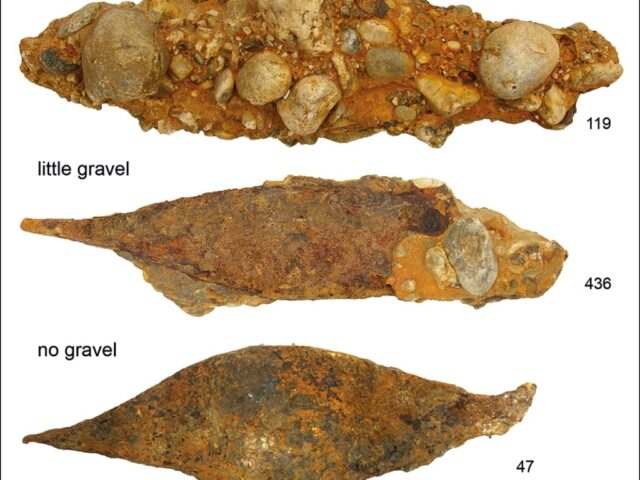
Deinham Danube Iron Bars: Europe’s Largest La Tène Iron Cargo
A hoard of roughly 500 bipyramidal Deinham Danube iron bars—about a metric ton of La Tène semi-finished iron—recovered from a Danube gravel pit at Deinham near Hartkirchen, Upper Austria, is the largest…
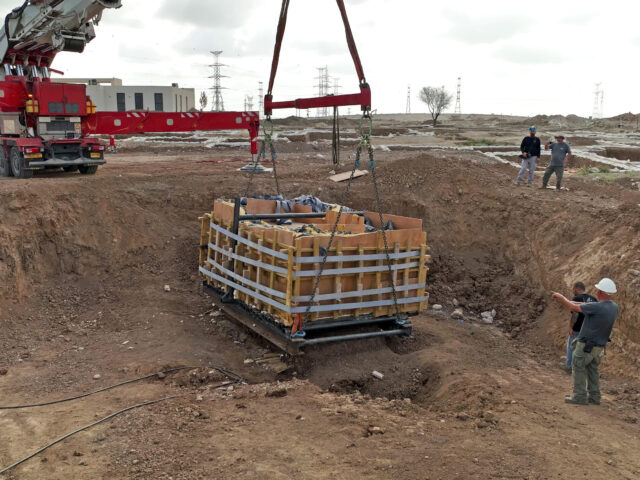
Carmei Gat Mikveh Lifted Intact by IAA at Kiryat Gat
The Israel Antiquities Authority has lifted a roughly 2,000-year-old Second Temple–period Carmei Gat mikveh—about 25 tons and roughly 4 m wide—intact from the Carmei Gat neighborhood of Kiryat Gat, southern Israel. Excavation…
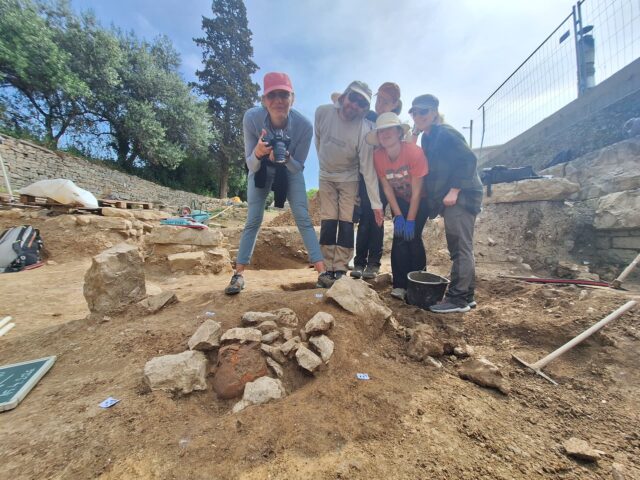
Rare Salona Face-Down Burial Packed with Glass and Gems
A rare Salona face-down burial—Grave 162 at Hortus Metrodori in the western necropolis of ancient Salona near Solin, Croatia—has drawn fresh attention after the site’s fifth excavation season. The individual was laid…
Oued Beht Defensive Ditch Rewrites Morocco’s Bronze Age Map
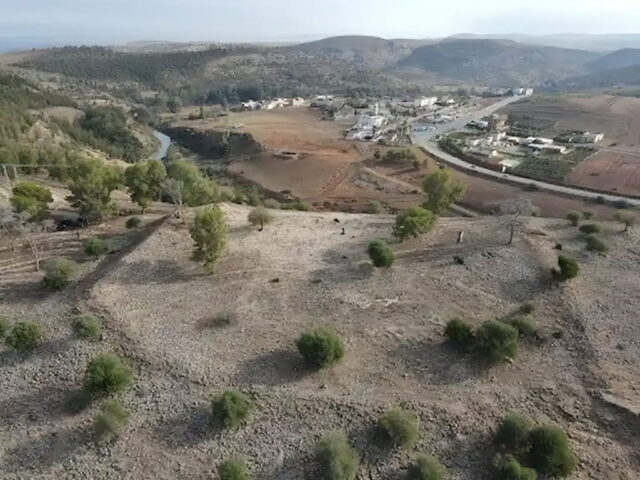
Newly published fieldwork at Oued Beht in Khémisset Province, northwestern Morocco, has dated a multiphase Oued Beht defensive ditch, earthen embankment, and stone wall along the ridge tip long known as Wall…
Liman Tepe Drainage System: 5,000-Year-Old Stone Channels in Urla
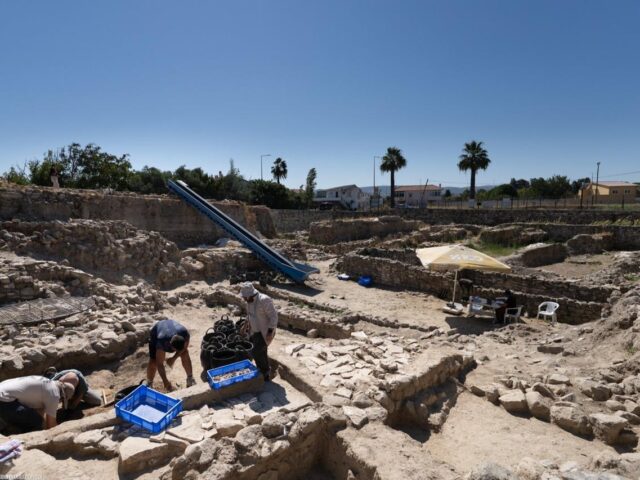
Archaeologists working at Liman Tepe in Urla, on İzmir’s Aegean coast, have uncovered stone channels between terraces at different elevations—an approximately 5,000-year-old drainage system that excavation director Prof. Vasıf Şahoğlu of Ankara…