
Archaeology & Discoveries
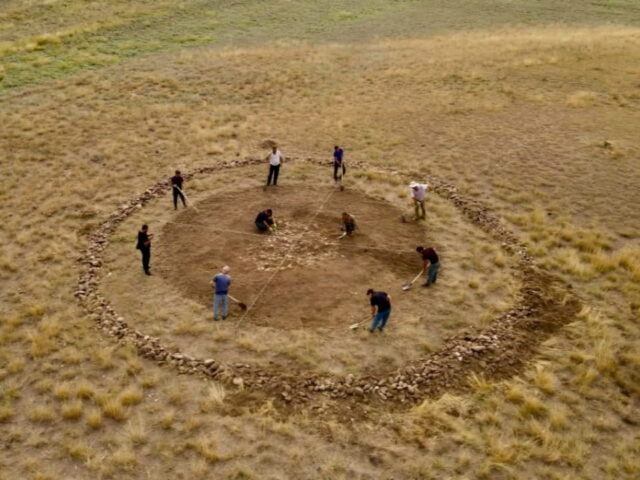
3,600-Year-Old Elite Warrior Burial Unearthed at Keshikchidagh, Azerbaijan
A rare diorite mace head has emerged from a stone-covered kurgan in western Azerbaijan, pointing to a Middle Bronze Age burial dated to about 3,600 years ago. The find comes from Kurgan…
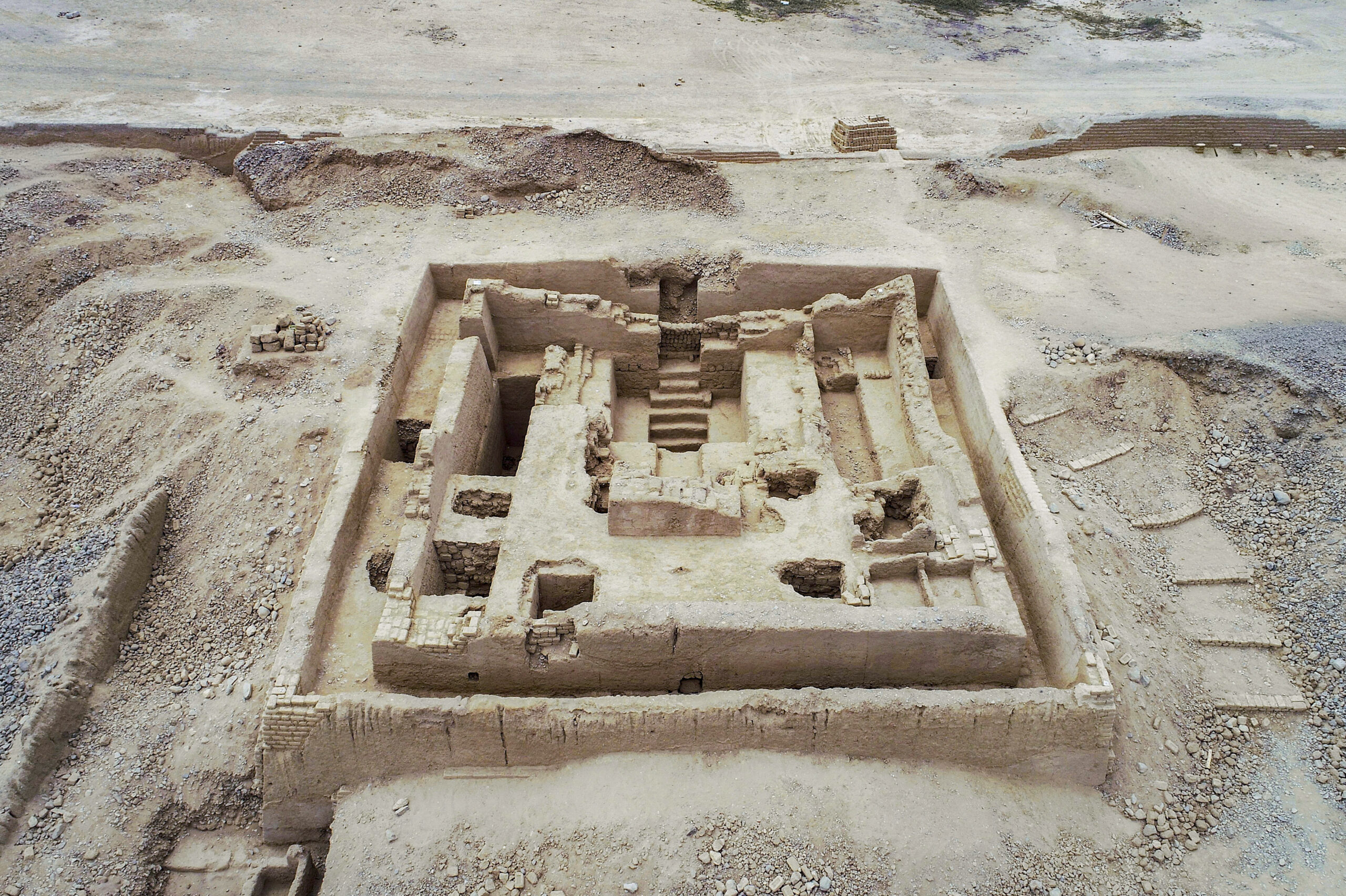
Chan Chan’s Intact Chimú Funerary Platform Holds 38 Elite Burials
At Chan Chan—the vast adobe capital of the Chimú on Peru’s northern coast—archaeologists have opened a funerary platform that stayed largely sealed for about six centuries. Inside the Utzh An walled complex…
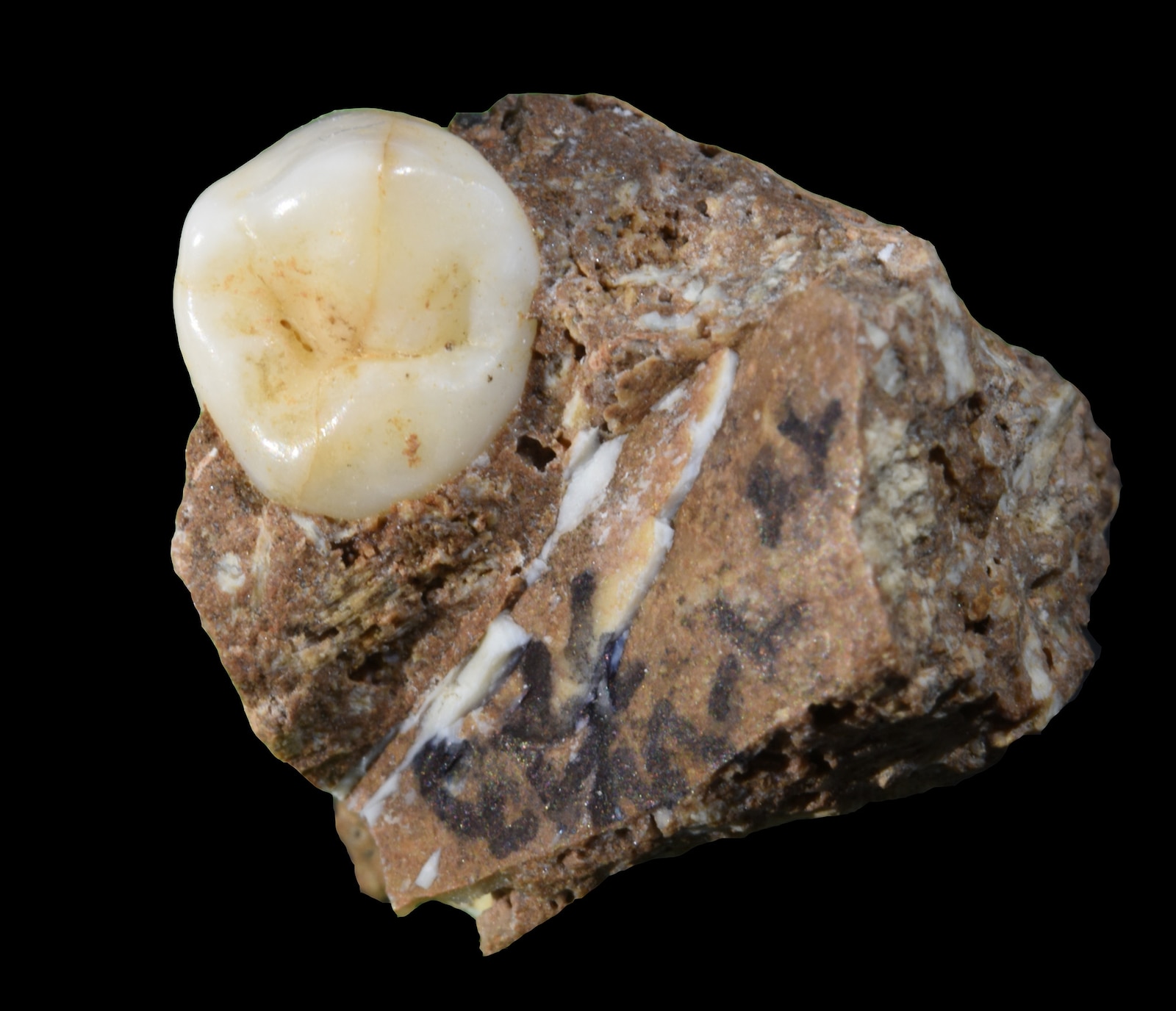
Bianfu Cave Denisovan Bones and Tools Reveal Hunting Life in Yunnan
Two Nature papers published this week (9–10 September 2026) place the Bianfu Cave Denisovan assemblage among the richest outside Siberia’s Denisova Cave. Rescue excavations in Yunnan Province, southwestern China, recovered three bones—including…
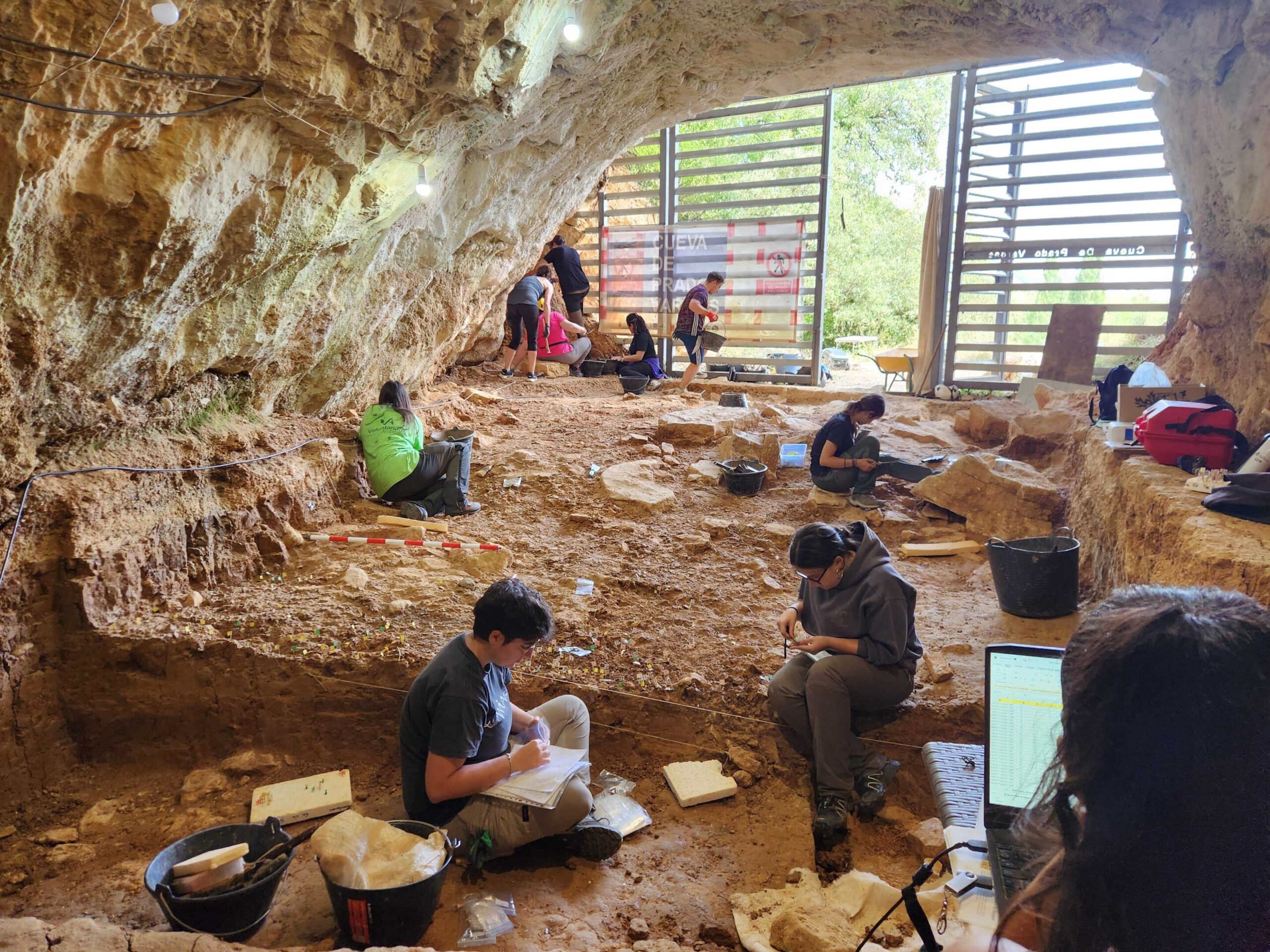
Prado Vargas Neanderthal Camp Expands to 140 m² at Ojo Guareña
The Prado Vargas Neanderthal camp in Cornejo, northern Burgos—part of the vast Ojo Guareña karst—has become one of the most extensively excavated Neanderthal cave occupations known. The eleventh systematic campaign ended on…
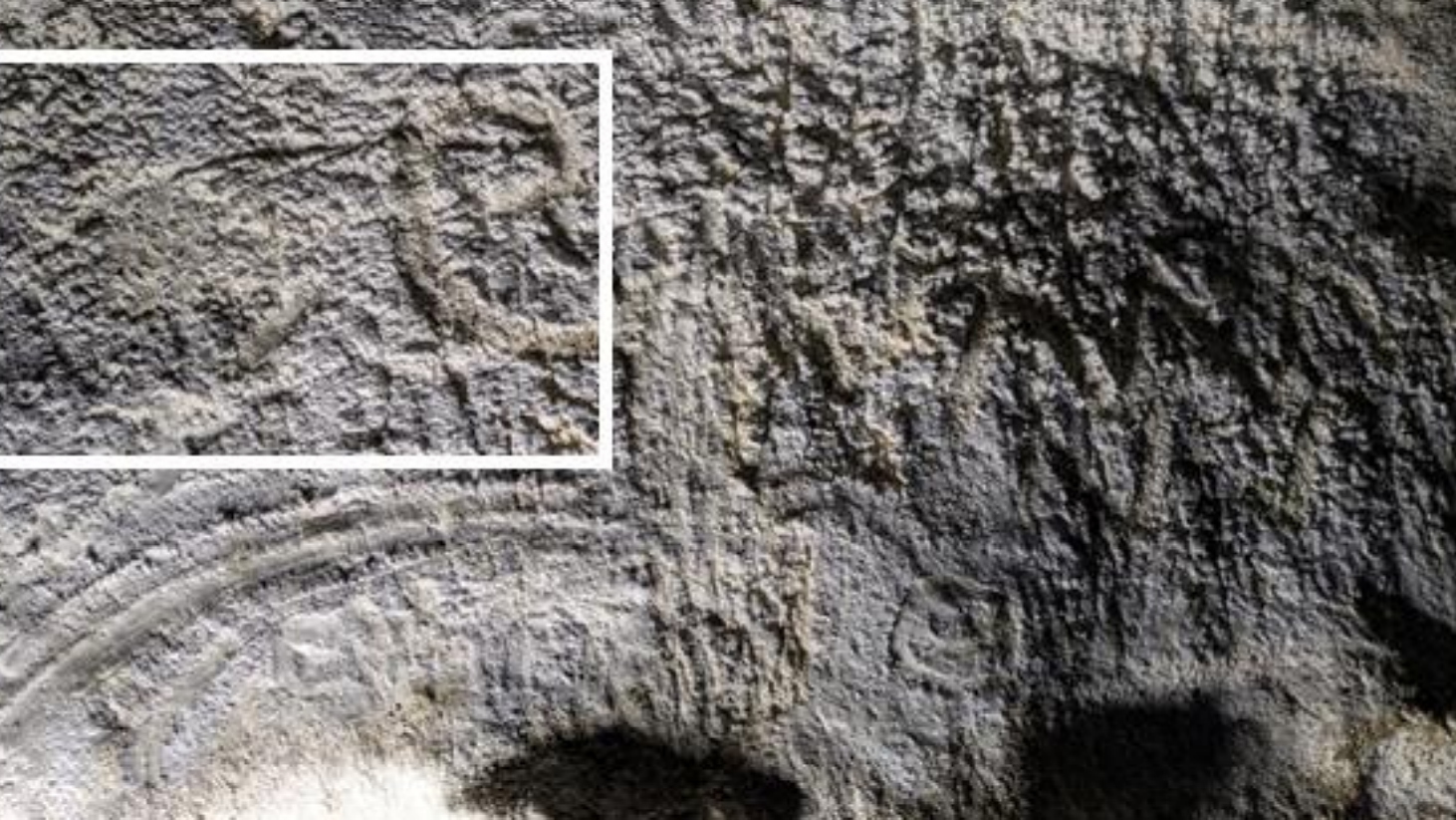
Ireland Ice Age Cave Art May Rewrite the Island’s First Human Story
Researchers with the Lost Land Bridge Project say they have identified prehistoric rock art in eight caves in south-west Ireland that may date to at least about 15,000 years ago — roughly…
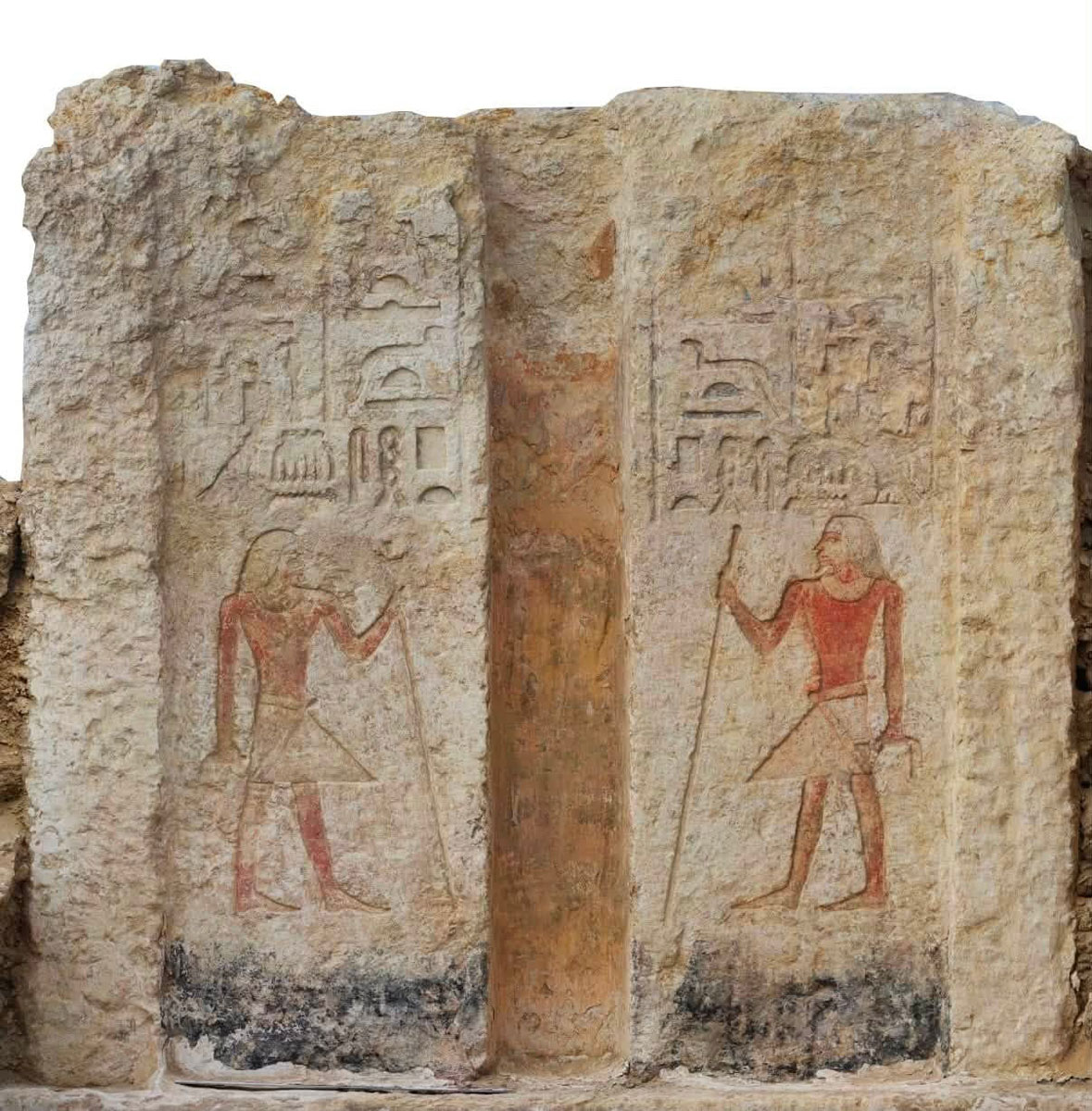
Old Kingdom Tomb of Royal Chamberlain Unearthed at Saqqara
An Egyptian archaeological mission has uncovered the tomb of Sekhentio-Ptah, a high-ranking official whose titles included Royal Chamberlain, Overseer of All the Works of the King, and Keeper of the Secrets of…