Prehistoric Rock Paintings and Bronze Age Settlement Discovered in Uzbekistan
Prehistoric rock paintings in Uzbekistan and a Bronze Age settlement offer new evidence of ancient life in the Nurata Mountains.

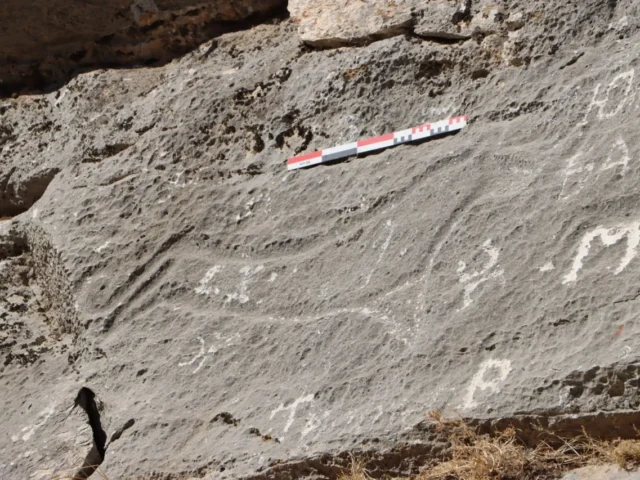
Archaeologists have uncovered prehistoric rock paintings in Uzbekistan alongside a Bronze Age settlement in the Nurata Mountains. The discoveries came during surveys in October 2026 in the Kushrabat district of the Samarkand region.
Researchers from the Ya. Gulyamov Samarkand Archaeological Institute identified paintings made with natural ochre inside several rock shelters. They also found pottery fragments and animal bones at a previously unidentified settlement site. Together, the finds offer new evidence of human activity in this mountainous region.
Prehistoric Rock Paintings in Uzbekistan Found Across Four Areas
Researchers discovered prehistoric rock paintings in Uzbekistan across four areas of the Nurata Mountains: Egrijarsoy, Khodjasoy (Badimin), Galajinsoy and Sumbulsoy. The paintings cover walls and ceilings inside several rock shelters. Artists created them using natural ochre, a mineral pigment that people have used for thousands of years.
Researchers believe the images may date to the Mesolithic or Neolithic periods. However, further investigation is needed to establish their exact age. The discovery adds several new locations to the archaeological record of prehistoric activity in the region.
Prehistoric Rock Paintings in Uzbekistan and the Bronze Age Settlement
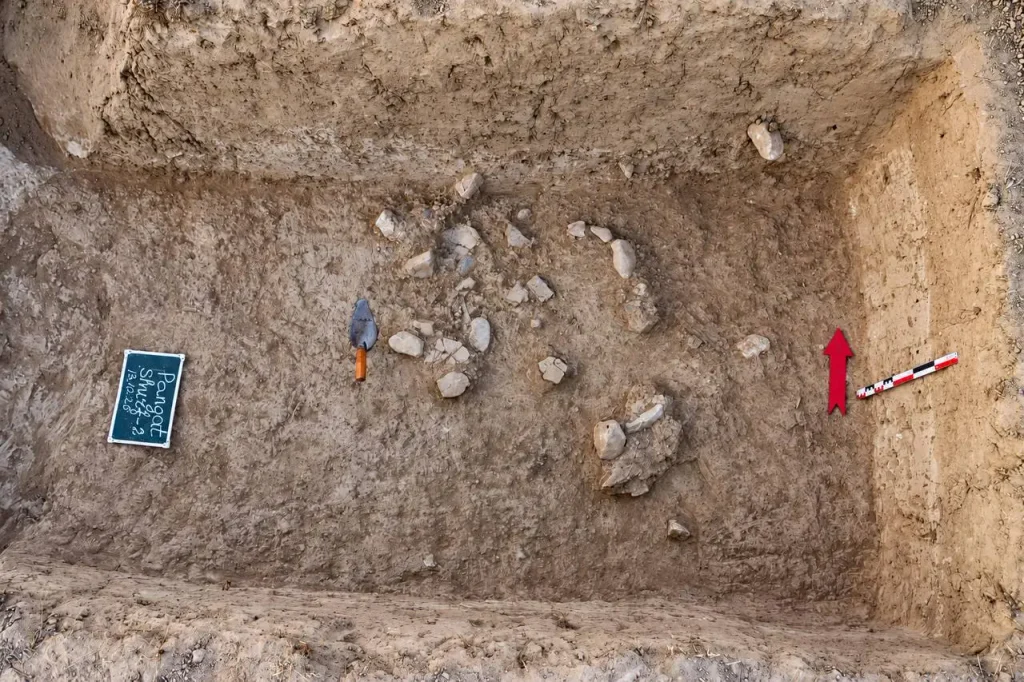
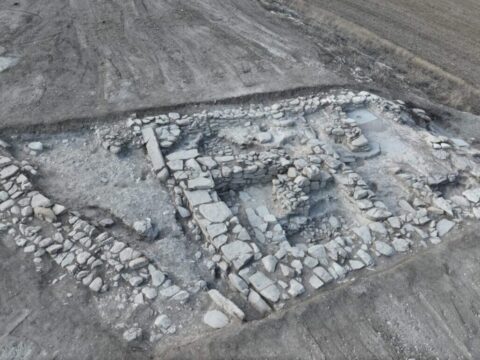
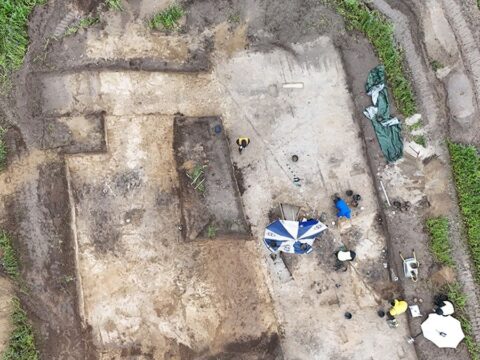
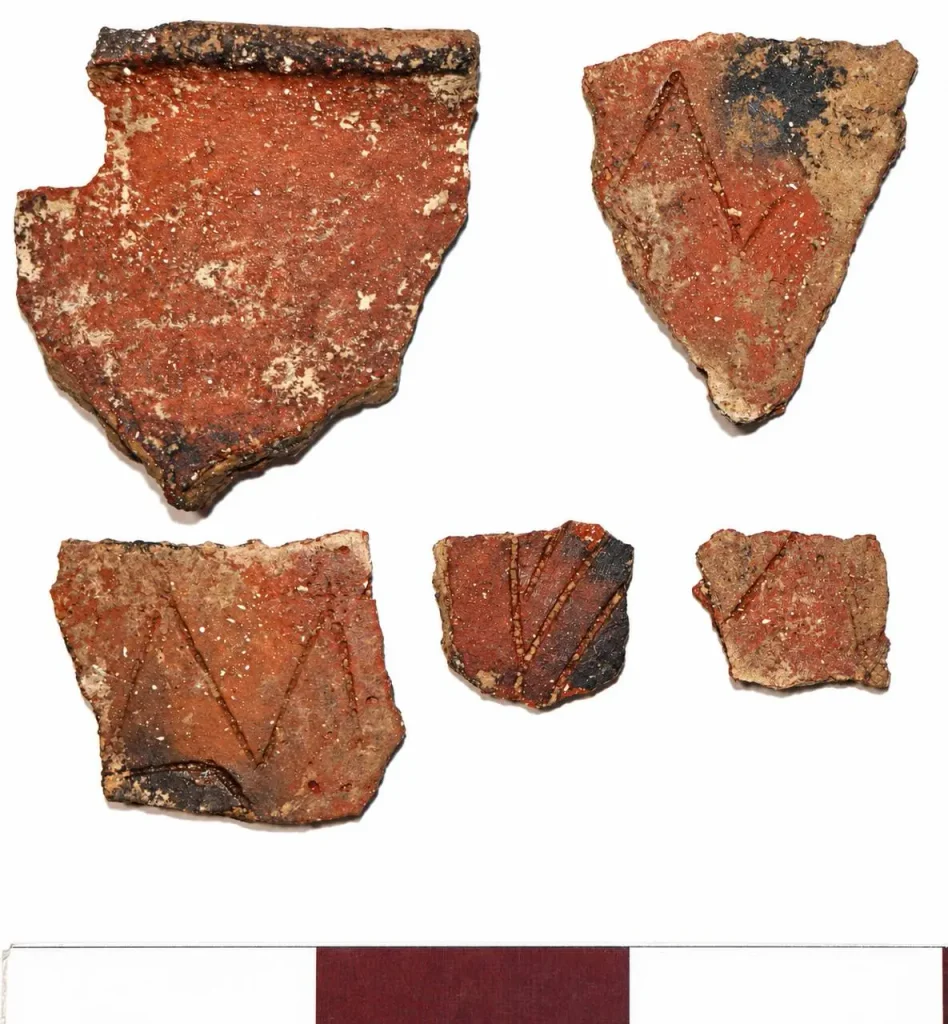
The October surveys also identified Bronze Age pottery fragments at three locations in the Pangat area. At one site, approximately 700 to 800 metres east of Kumolokli village, archaeologists opened a small exploratory trench. The excavation measured just two metres by one metre.
Despite its limited size, the trench revealed a substantial archaeological layer measuring around 60 centimetres thick. Researchers also recovered numerous pottery fragments and animal bone remains. These finds indicate that people occupied the area during the Bronze Age. Further excavation will be needed to establish the settlement’s size, layout and duration of occupation.
What the Discoveries Reveal About Prehistoric Life in Uzbekistan
The pottery fragments provide material that researchers can study to learn more about the people who lived in the Nurata Mountains. Their shapes, manufacturing techniques and decoration may help archaeologists compare the settlement with other Bronze Age communities. Animal bones could provide additional evidence about daily life. Future analysis may help identify the animals people kept, hunted or used for food.
For now, the excavated material offers an initial picture of activity at the site. The small test trench has not yet revealed the full extent of the settlement.
Further Excavations Planned in the Nurata Mountains
Researchers have recommended larger excavations, particularly at the Bronze Age settlement near Kumolokli village. The rock shelters also need further study to confirm when people created the paintings. Establishing their age would help place the artwork within the wider prehistoric history of Central Asia.
The discoveries show that the Nurata Mountains contain archaeological sites from different periods. Continued research could reveal how ancient communities used the landscape and how they connected with neighboring regions.