2,400-Year-Old Numidian House in Tunisia Reveals Home Layout
- A 2,400-year-old Numidian house in Tunisia reveals ancient room layouts, cooking equipment, pottery, and nearby burial monuments.

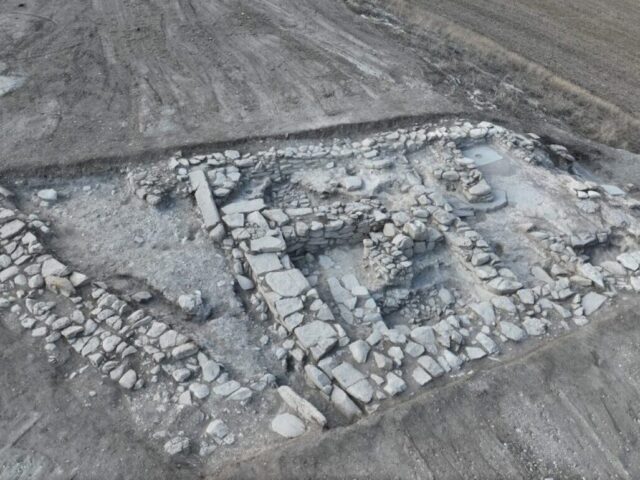
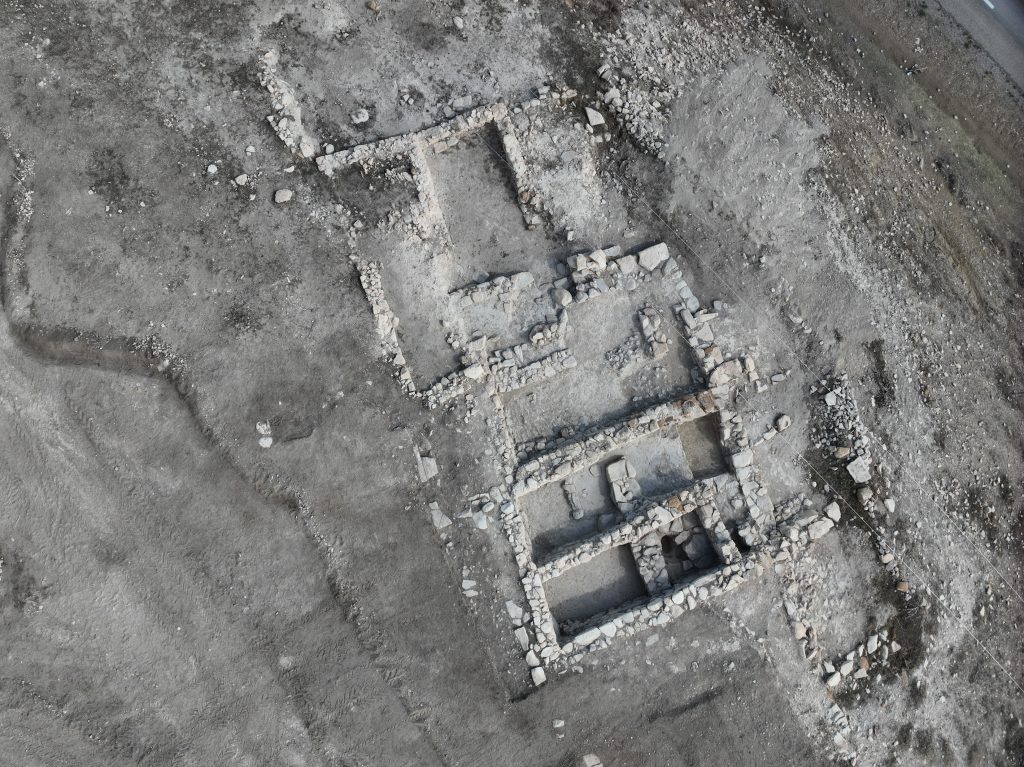
Archaeologists have uncovered a 2,400-year-old Numidian house in Tunisia that reveals how people organized their homes before Roman rule in North Africa. The building contains several rooms and stands directly against an ancient settlement’s defensive wall. Its nearly complete floor plan gives researchers a rare look at domestic architecture from the period.
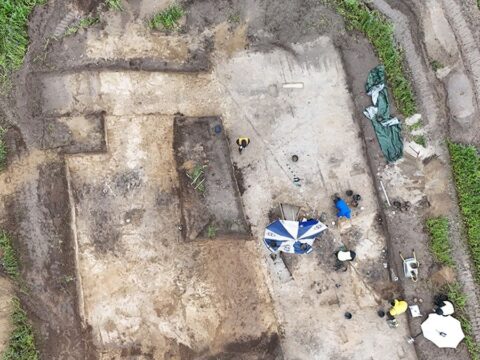
The discovery comes from Sidi Saïd, near Bargou in Tunisia’s Siliana region. A joint team from Tunisia’s National Heritage Institute and the Catalan Institute of Classical Archaeology carried out excavations between September 16 and October 6, 2026.
Researchers date the house to the fourth century BC, or possibly earlier. They are now examining its layout and the changes residents made during its occupation.
Numidian House in Tunisia Preserves Its Nearly Complete Layout
The building sits in Area 3, in the northeastern part of the ancient settlement. Archaeologists documented several rooms and found that the builders placed the house directly against the settlement’s perimeter wall. The structure also shows signs of several modifications. These changes suggest that residents reorganized parts of the house over time. Researchers are still studying the construction phases and the original purpose of each room.
The discovery helps archaeologists understand how residents arranged their homes alongside the settlement’s defenses. Researchers had already examined another section of the defensive wall during the 2025 excavation campaign.
Pottery and Cooking Equipment Reveal Everyday Life
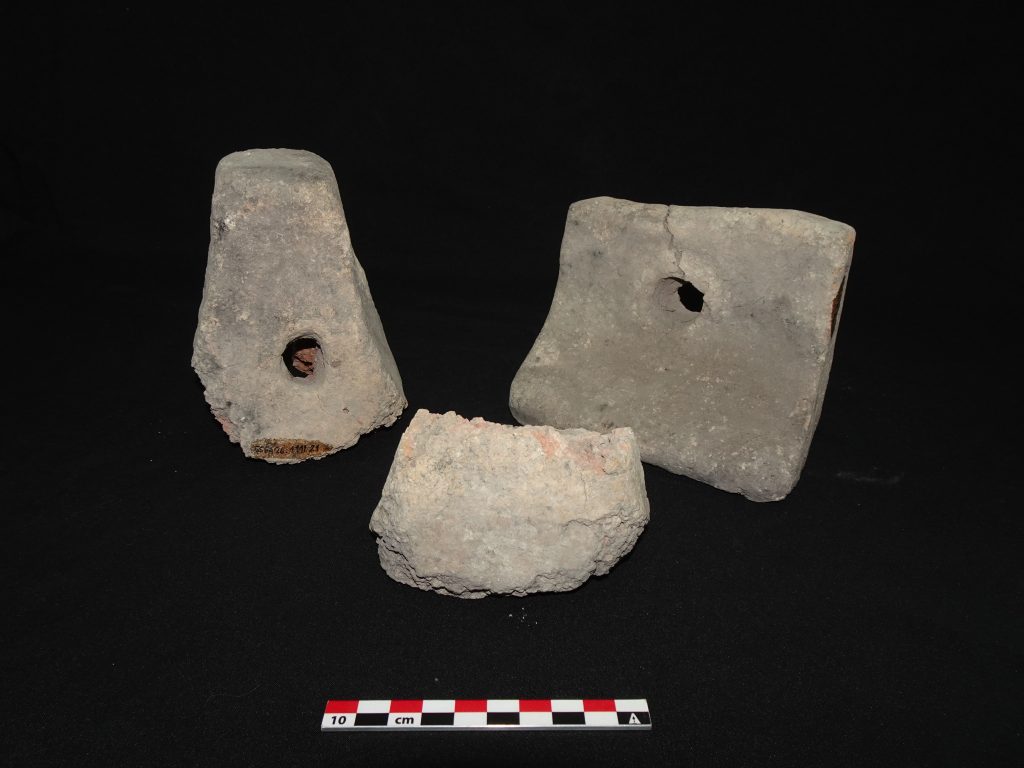
Excavations in Area 1 uncovered household objects and evidence of domestic activities. Archaeologists recovered numerous ceramic vessels, including some that remain almost completely intact. The collection includes locally produced pottery and vessels associated with Carthaginian traditions.
The team also found objects that supported cooking containers above hearths. These pieces provide direct evidence of food preparation and everyday household activities. The Carthaginian-style pottery also points to connections beyond the settlement. However, researchers still need to determine how these objects reached Sidi Saïd and what role trade played.
A Numidian Settlement in Pre-Roman North Africa
Researchers began investigating Sidi Saïd after road construction along the GP4 national highway threatened the southern edge of the ancient settlement. Rescue excavations took place between December 2017 and April 2018. The first campaign uncovered residential buildings, defensive structures, and well-preserved archaeological materials.
Later excavations helped researchers establish the site’s chronology. They now place its occupation between the second half of the fifth century BC and the end of the third century BC. This period offers an opportunity to study Numidian communities before Roman dominance in North Africa. The remains also help researchers examine connections between local traditions and the wider Phoenician-Punic world.
Researchers Continue Excavations at Sidi Saïd
The project brings together researchers from Tunisia’s National Heritage Institute and the Catalan Institute of Classical Archaeology. Archaeologists, conservators, and students from both countries take part in the work. The team studies residential buildings, defensive structures, artifacts, and the wider organization of the settlement.
The nearly complete house plan gives researchers an opportunity to examine several aspects of one building together. Its rooms, construction changes, and position beside the defensive wall all provide clues about life at Sidi Saïd more than 2,400 years ago. Further analysis should help explain how residents used the building and organized their community.