
Tag: tomb
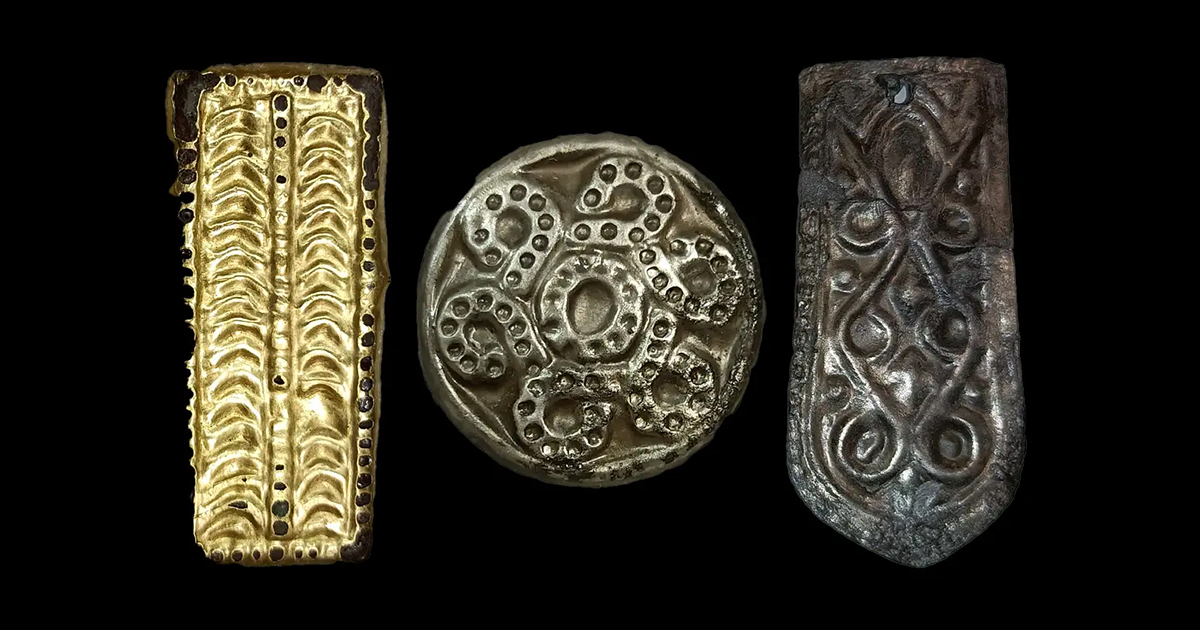
Hungarian Archaeologists Uncover 1,300-Year-Old Avar Warrior Burial with Intact Sabre
A team from the Szent István Király Museum has discovered an elite warrior’s grave near Aba and Székesfehérvár in central Hungary. The burial, dated between 670 and 690 CE, belonged to a…

The Origin of the Huns: Revealing the Truth Behind a Legend
The Huns, according to ancient sources, came out of nowhere. But then, these ancient sources were largely Roman and, as far as the Romans were concerned, the Huns really did. They first…

Team Behind the Discovery of Egyptian Royal Tomb May Have Found Another
Remember last week when we reported that the first Egyptian Royal Tomb in a century had been discovered? Well, the team who found the tomb of Thutmose II may just have done…

Monk Buried in Chains in Ancient Jerusalem turns out to be a Woman
Christianity changed after its adoption as the state religion of the Roman Empire in 380 AD. Inspired by centuries of Christian martyrs, asceticism became a prominent feature of its followers. Before the…

Ancient Necropolis Discovery in Trento Dates to the Founding of Rome
Archaeologists working in the Santa Croce area of Trento in northern Italy have found something exceptional beneath the city streets. An ancient necropolis has been discovered, some eight meters beneath the surface. …

Ancient Warrior Burials from the Copper Age Bell Beaker Culture Found
Archaeologists in Germany have unearthed a series of burials near the village of Förderstedt, in Saxony-Anhalt. The graves are some 4,500 years old and contain warriors from the Copper Age. The brief…