
Year: 2025
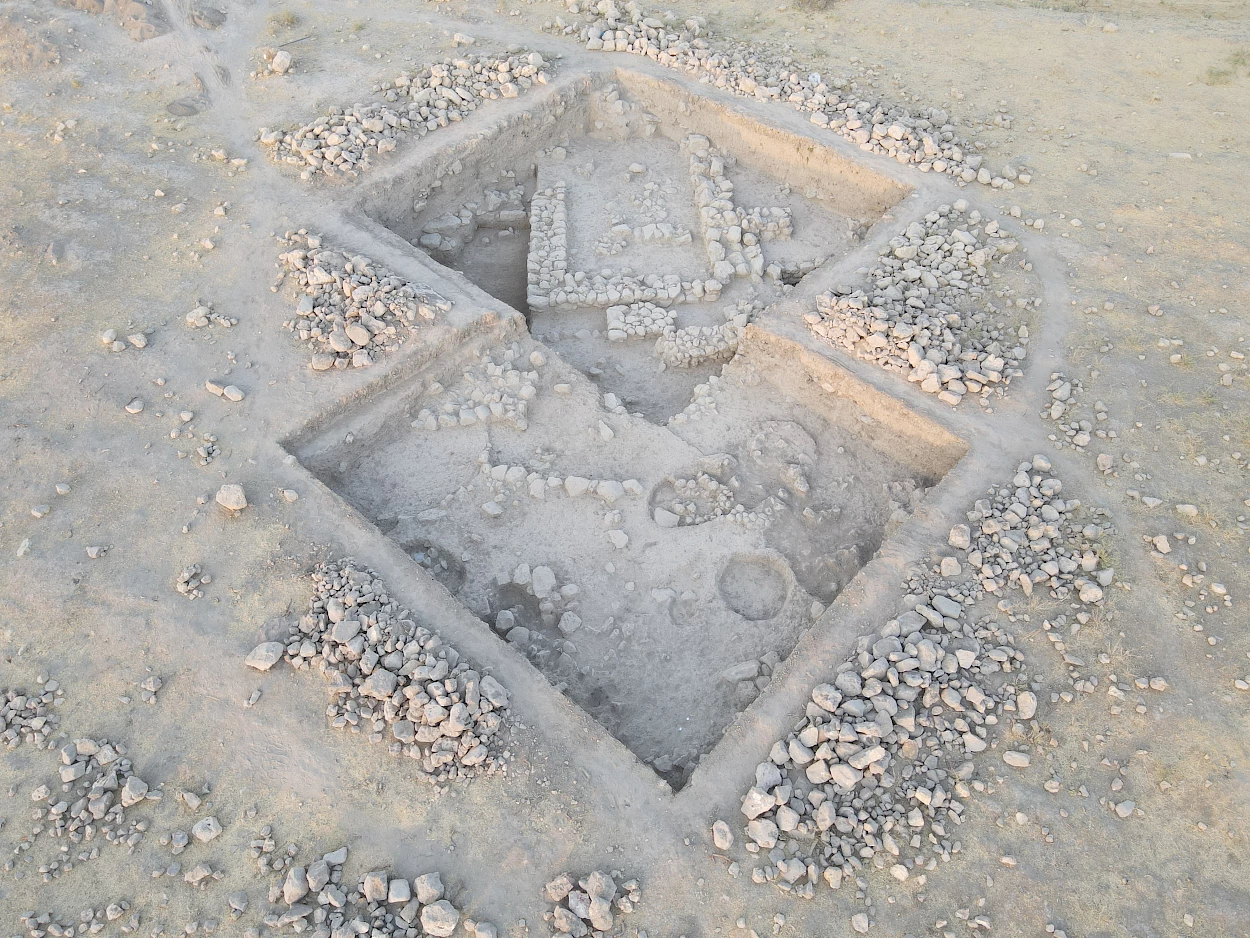
Monumental Uruk-Period Building Unearthed in Iraqi Kurdistan
Archaeologists working at Kani Shaie in Iraqi Kurdistan have uncovered a monumental building dating to the Uruk period, around 3300–3100 BC. The structure, discovered during the 2025 excavation season, appears to have…

2,200-Year-Old Celtic Gold Coin Discovered in German Field
A certified metal detectorist scanning a field near Leipzig, Germany, has unearthed the oldest coin ever found in the state of Saxony. The 2,200-year-old gold coin, known as a “rainbow cup,” represents…

When Hippos Thrived In Ice Age Europe Much Longer
Hippos didn’t rush out of Central Europe as the ice advanced. New tests on ancient bones reveal these huge semi-aquatic animals still wandered Germany’s Upper Rhine Valley between about 47,000 and 31,000…

DNA from Napoleon’s Doomed Soldiers Reveals Killer Diseases
Scientists probing the bones of Napoleon’s fallen troops have uncovered solid evidence of two brutal pathogens that turned the 1812 Russian retreat into a disaster. Researchers at the Institut Pasteur identified paratyphoid…
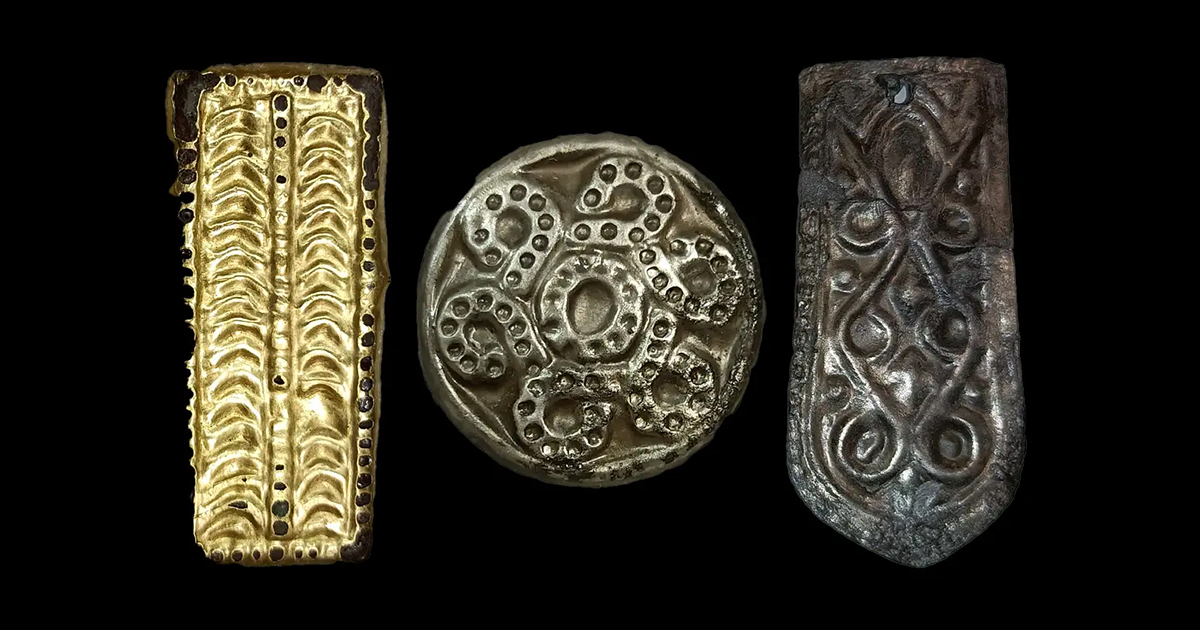
Hungarian Archaeologists Uncover 1,300-Year-Old Avar Warrior Burial with Intact Sabre
A team from the Szent István Király Museum has discovered an elite warrior’s grave near Aba and Székesfehérvár in central Hungary. The burial, dated between 670 and 690 CE, belonged to a…
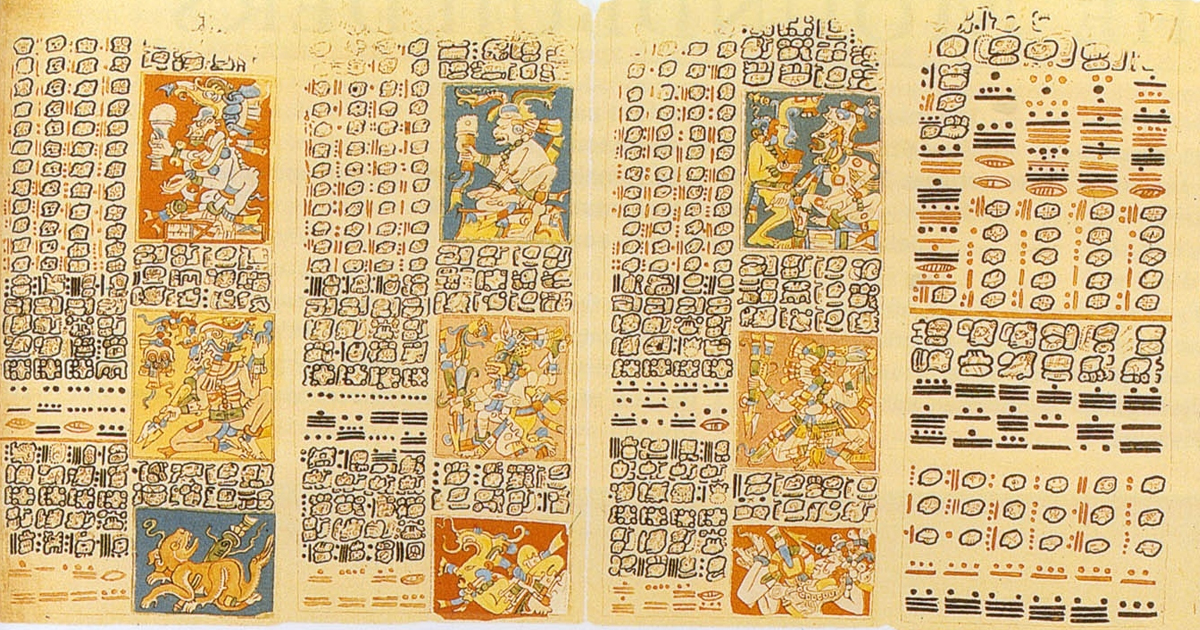
Maya Astronomers Predicted Solar Eclipses 700 Years in Advance Without Telescopes
New research has decoded how Maya astronomers forecasted solar eclipses with remarkable precision more than a millennium ago, revealing a self-correcting system that maintained accuracy across multiple generations. The study, published in…