Monumental Uruk-Period Building Unearthed in Iraqi Kurdistan
Archaeologists uncover a monumental Uruk-period building at Kani Shaie in Iraqi Kurdistan, revealing the site's role in early Mesopotamian civilization and challenging traditional center-periphery models.

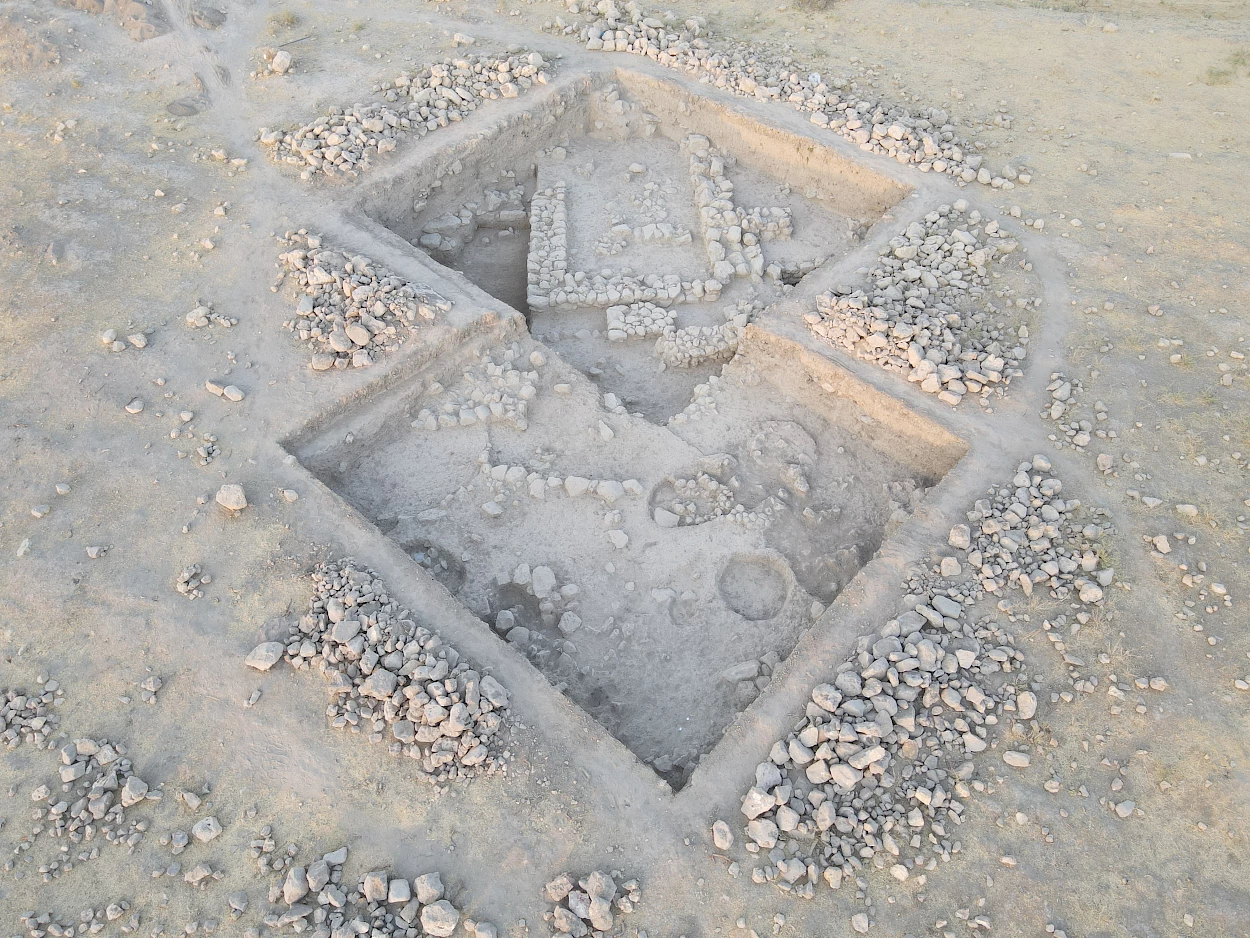
Archaeologists working at Kani Shaie in Iraqi Kurdistan have uncovered a monumental building dating to the Uruk period, around 3300–3100 BC. The structure, discovered during the 2025 excavation season, appears to have served an official or religious function and demonstrates the far-reaching influence of Uruk, the world’s first metropolis, into the Zagros Mountains.
The Kani Shaie Archaeological Project is led by the Centre for Studies in Archaeology, Arts and Heritage Sciences at the University of Coimbra, working alongside the University of Cambridge and the Slemani Antiquities and Heritage Directorate. According to project co-directors André Tomé, Maria da Conceição Lopes, and Steve Renette, the building sits atop the site’s artificial mound and may have functioned as a cultic space. Its discovery establishes Kani Shaie as far more than a marginal outpost during the Uruk period.
The excavation team recovered several significant artifacts within the building. A fragment of a gold pendant points to elite displays of wealth and access to precious metals in what was previously considered a peripheral community. They also found a cylinder seal characteristic of the Uruk period, an object associated with administrative practices and the legitimization of authority. Wall cones—decorative elements typical of monumental Uruk architecture and commonly found adorning temples and public buildings in southern Mesopotamia—were identified as well, reinforcing the interpretation of the structure as a public or ceremonial complex.
“If the monumental nature of this building is confirmed—which we are now investigating in detail—the discovery could transform our understanding of Uruk’s relationship with surrounding regions, showing that sites such as Kani Shaie were not marginal, but rather key actors in shaping cultural and political networks,” the researchers stated.
Understanding Early Urban Expansion
The Uruk period represents a pivotal phase in human history. Named after the ancient city in present-day Iraq, this era witnessed the emergence of the first cities, the invention of proto-cuneiform writing, organized religion, and centralized administration. Uruk’s economic and political reach extended across the Fertile Crescent, connecting Mesopotamia with Anatolia, the Levant, and the Zagros Mountains through trade networks and cultural exchanges.
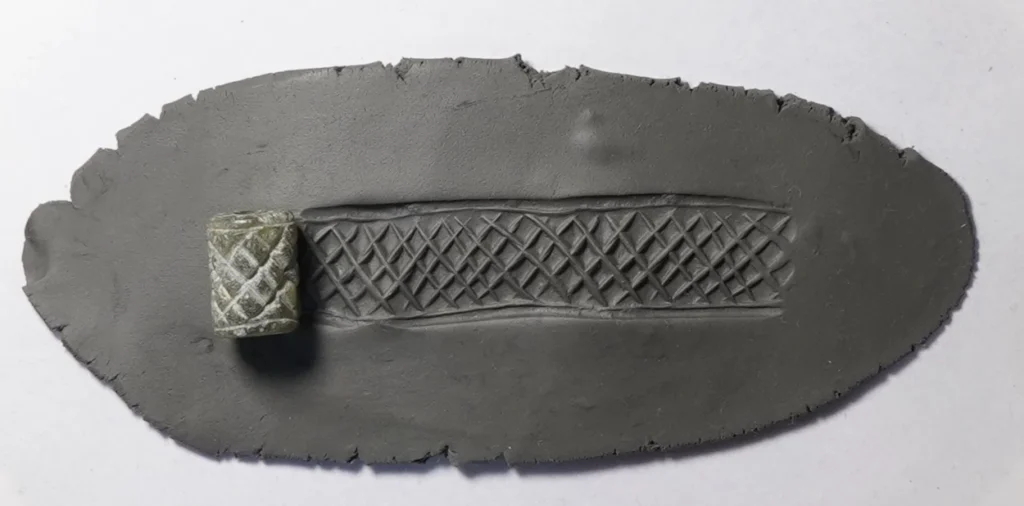
The presence of Uruk-style cylinder seals and architectural motifs in the Zagros indicates a shared cultural language of power that transcended geography. Finds like those at Kani Shaie help reconstruct how ideas of governance, architecture, and artistry spread from the Mesopotamian lowlands into neighboring highland societies.
Kani Shaie is considered the most important archaeological site east of the Tigris River for understanding the sequence of human occupation from the Early Bronze Age through the third millennium BC. The site has revealed continuous occupation across multiple periods. Beyond the Uruk levels, excavations in the flatter areas have reached layers from the Hellenistic-Parthian period (247 BC–AD 224) and the Neo-Assyrian period (around 911–609 BC), confirming the site’s long-term strategic and cultural significance.
The project has been ongoing since 2013, with the current excavation campaign primarily funded by the Portuguese Foundation for Science and Technology and the University of Cambridge. The team includes researchers from the University of Coimbra, the University of Algarve, and the University of Cambridge, along with technicians from the Slemani Antiquities and Heritage Directorate and international experts. Michael Lewis serves as assistant director alongside the three co-directors.
The discovery challenges traditional models of center and periphery in ancient Mesopotamian studies. Rather than passive recipients of influence, the Zagros highland communities appear to have been active participants in the formation of early complex societies. The team plans to publish preliminary results in the coming months, along with a comprehensive monograph detailing the first three excavation campaigns.
Featured image: View of the Kani Shaie excavations. © Projeto Arqueológico de Kani Shaie