Liman Tepe Drainage System: 5,000-Year-Old Stone Channels in Urla
Archaeologists working at Liman Tepe in Urla, on İzmir’s Aegean coast, have uncovered stone channels between terraces at different elevations—an approximately 5,000-year-old drainage system that excavation…

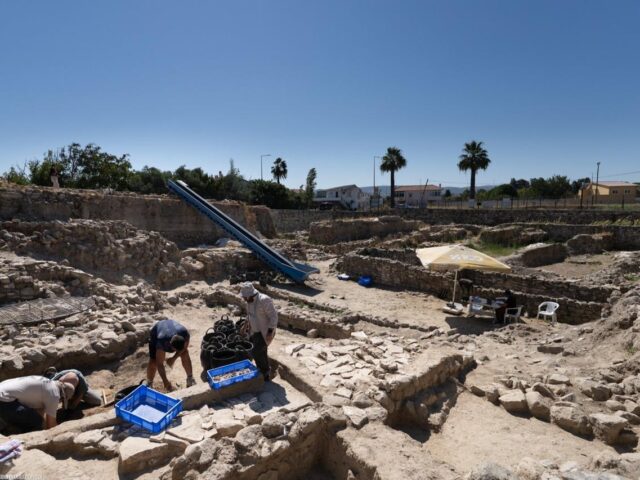
Archaeologists working at Liman Tepe in Urla, on İzmir’s Aegean coast, have uncovered stone channels between terraces at different elevations—an approximately 5,000-year-old drainage system that excavation director Prof. Vasıf Şahoğlu of Ankara University says steered rainwater runoff toward a point in the settlement, not drinking water. He calls such systems rare in western Anatolia, with few Aegean parallels. Coverage from Türkiye Today and the İzmir Metropolitan Municipality summarizes this season’s standout find.
Şahoğlu has directed Liman Tepe since 2020; excavations began in 1992 under Prof. Hayat Erkanal. This year’s land work also mapped streets, fortification walls, and “long houses” more than 25 meters long and about 5 meters wide—among the largest known of the period in the Aegean. Şahoğlu describes them as workshop-houses: one shows metal production, a neighbour yields loom weights for textile work. Large ceramic vessels fixed near house entrances await soil sampling; their contents are still unknown.
The same interviews keep the drainage clock separate from earlier maritime links. Cycladic ceramics appear about 4,500 years ago; Melos (Milos) obsidian turns up in roughly 7,000-year-old layers, with a small workshop on site. Underwater sondages on the stone breakwater aim to date construction and use-life, while marine organics—olive pits, grape seeds, hazelnuts—add to the harbour archive. Further Turkish recaps appear at Yeni Asır and Son Dakika.
Liman Tepe sits on a coastal headland later tied to Classical Klazomenai—an Anatolian–Aegean bridge where urban water management, workshop-houses, and seaborne goods share one Early Bronze Age townscape. Şahoğlu’s team will study the channels in greater detail; the “approximately 5,000 years” figure remains the excavator’s round date for this season’s land focus, not yet a standalone peer-reviewed paper on the drains alone.