
Archaeology & Discoveries
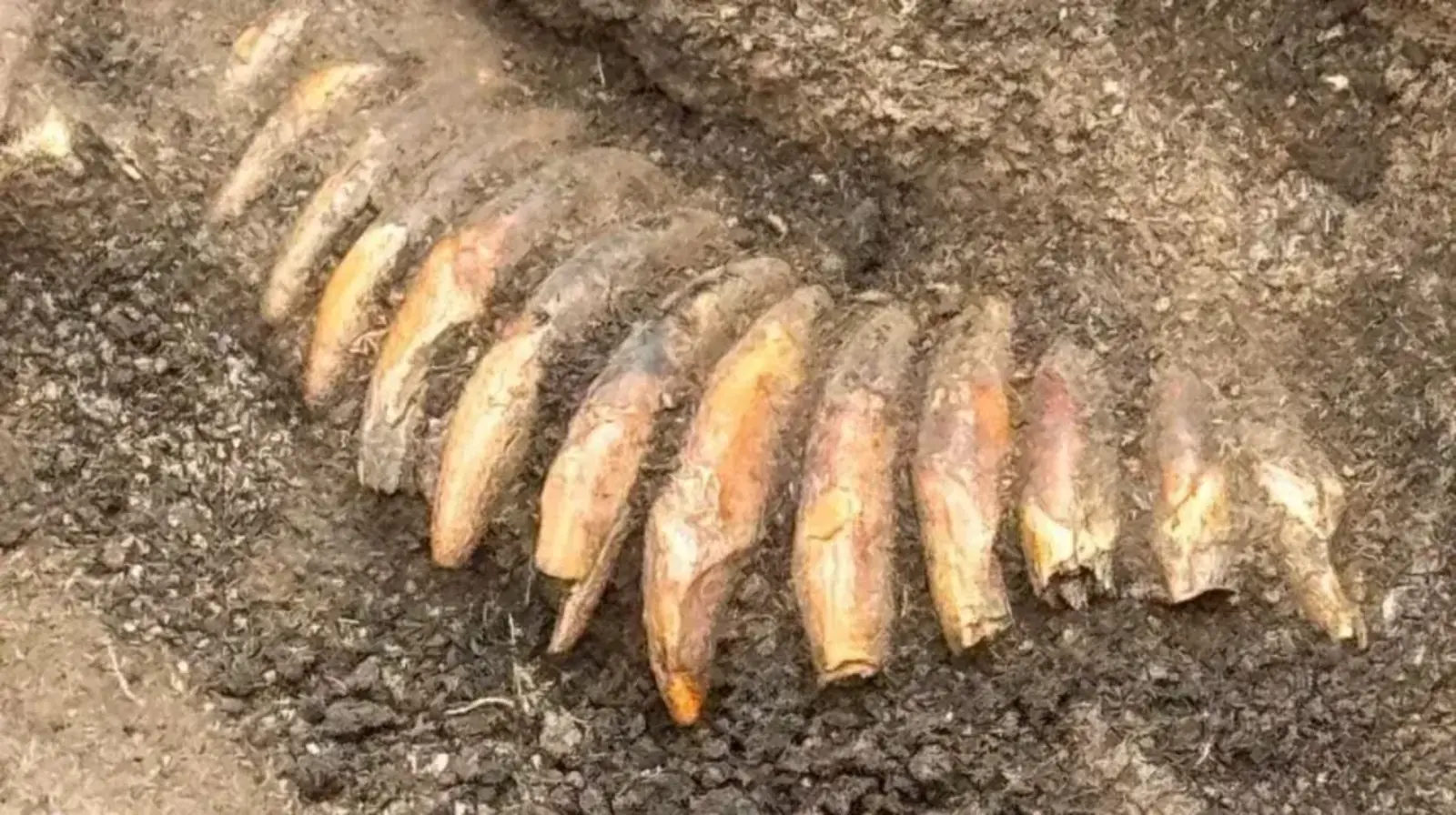
Stone Age burial with 42-tooth necklace found near Żórawina, Poland
Archaeologists digging a Roman-period cemetery near Żórawina in southwestern Poland have uncovered a much older burial: an adult man laid in a roughly 5,000-year-old mound with a necklace of 42 perforated teeth,…
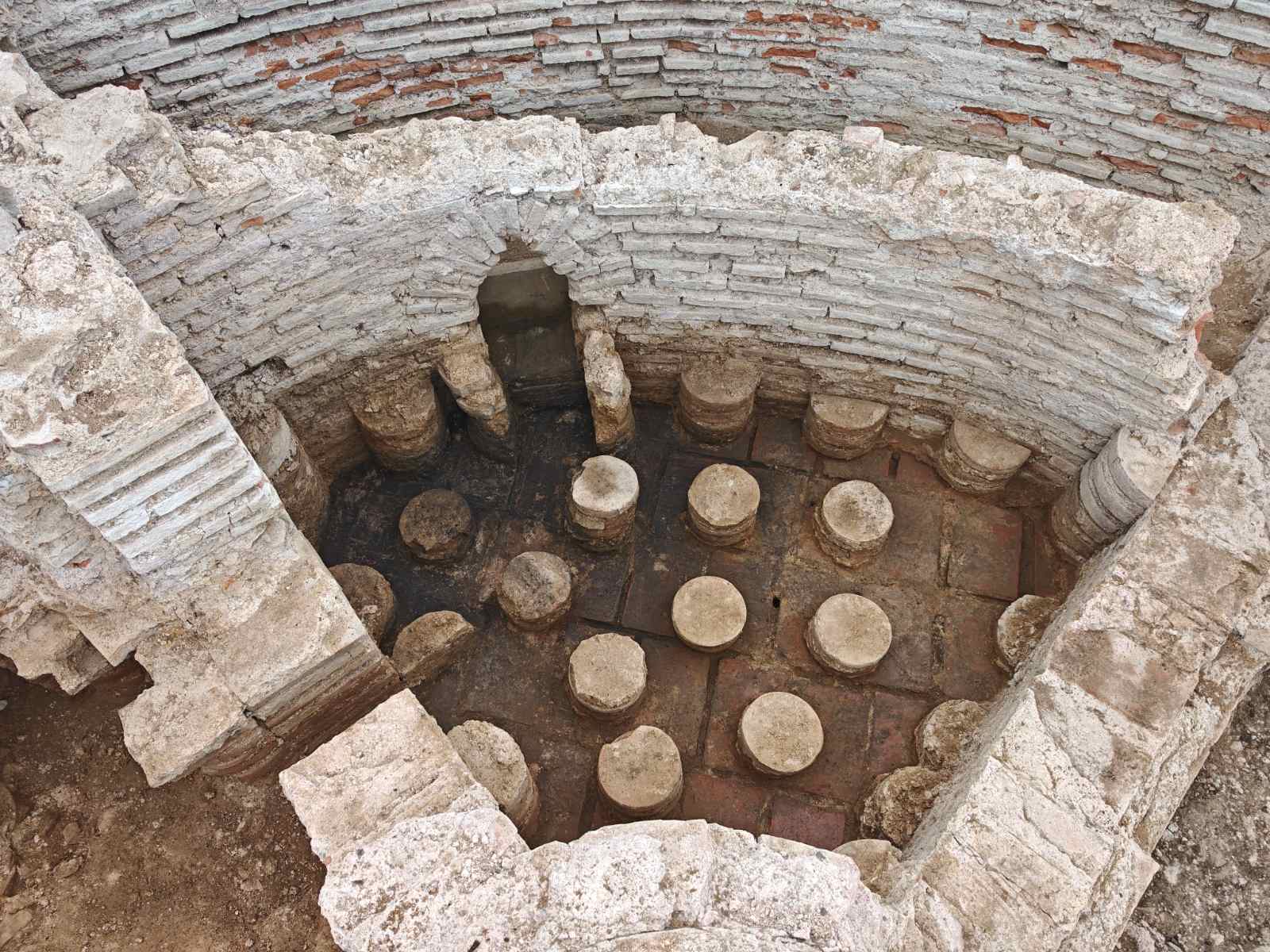
Roman private bath found inside palace tower at Vrelo–Šarkamen
Archaeologists excavating the fortified imperialRoman private bath found inside palace tower at Vrelo–Šarkamen residence at Vrelo–Šarkamen in eastern Serbia have uncovered a circular private Roman bath — a balneum — built into…
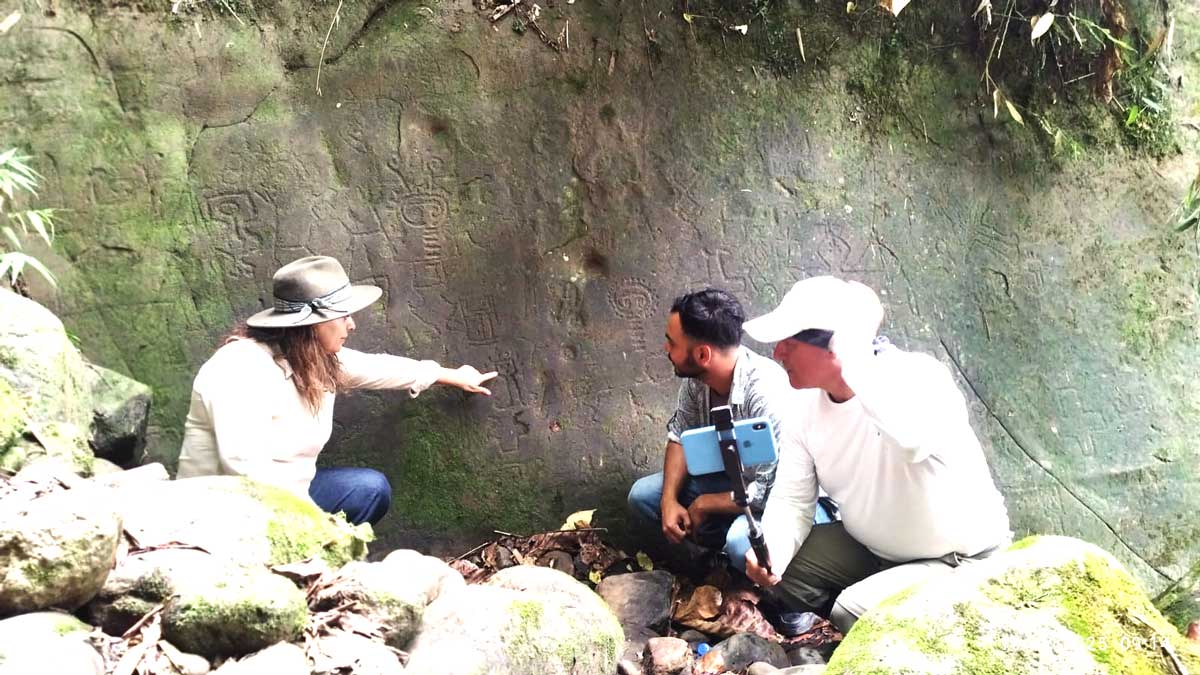
Ancient Rock Carvings Uncovered in Ecuador Point to Shared Amazonian Cultural Traditions
Archaeologists have identified a panel containing approximately 30 ancient rock carvings in Santiago de Méndez canton, Morona Santiago province, marking a new discovery in Ecuador’s Amazonian archaeological record. Officials from the National…
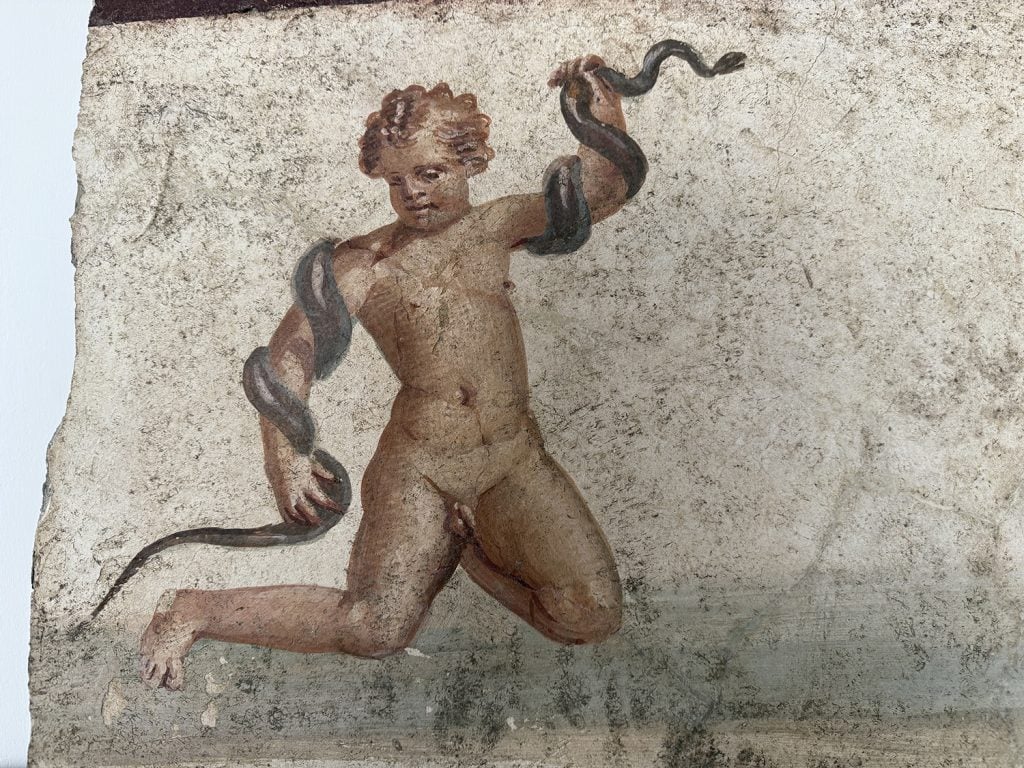
Stolen Hercules Fresco Finds Its Home After Decades in U.S. Collection
Archaeologists at Pompeii have identified the original location of a looted fresco fragment depicting the infant Hercules strangling serpents, solving a mystery that began when the artwork was stolen years ago from…
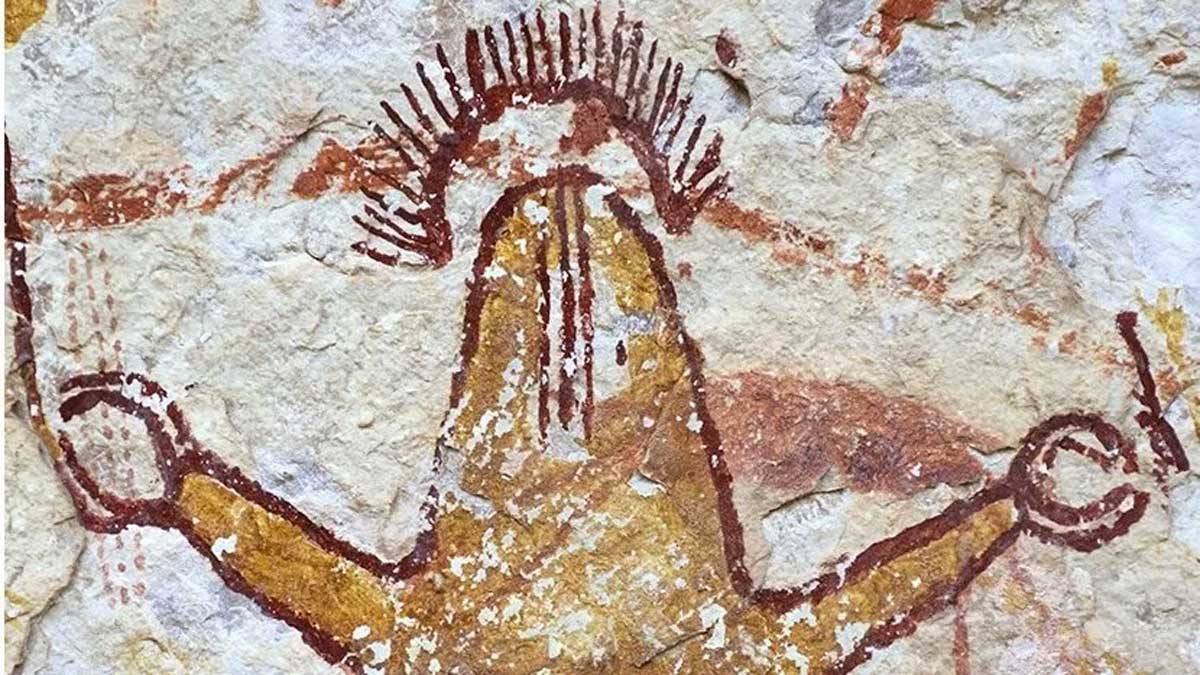
Ancient Rock Art in Texas-Mexico Borderlands Endured 4,000 Years
Hunter-gatherers in what is now southwestern Texas and northern Mexico created rock art for more than 4,000 years, maintaining consistent imagery and techniques that depicted their conception of the universe. The tradition,…
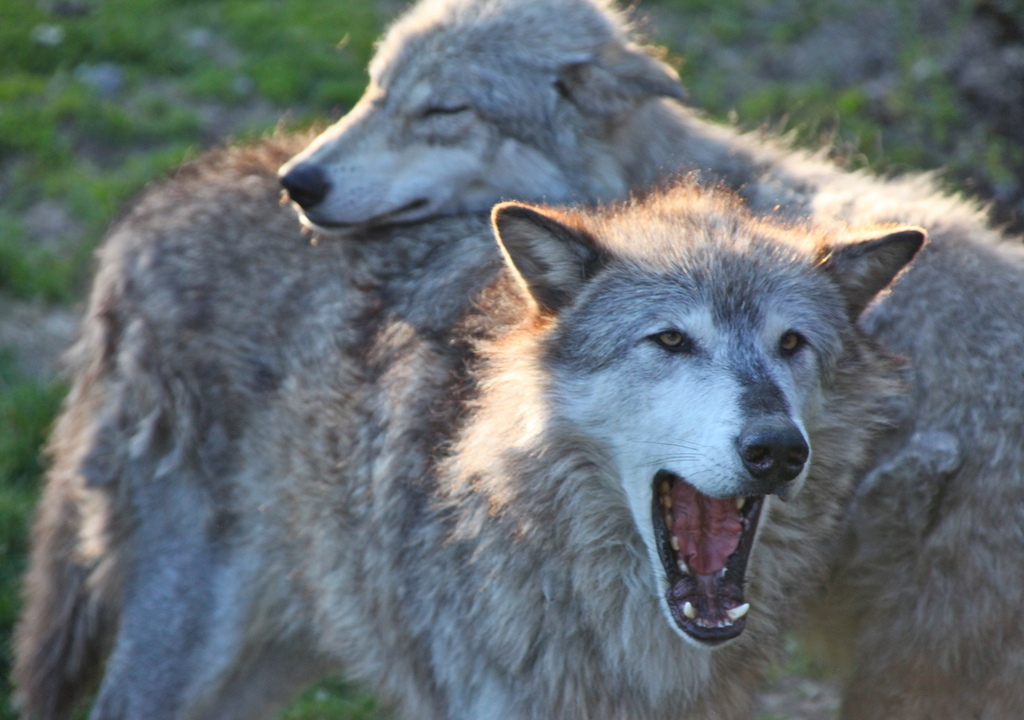
Were Wolves Kept and Nursed by Ancient Seal Hunters?
On this windswept island in the middle of the Baltic Sea called Stora Karlsö, archaeologists digging in a cave have made an unexpected find. It turns out that the archaeologists have unearthed…