
Author: AllThatHistory
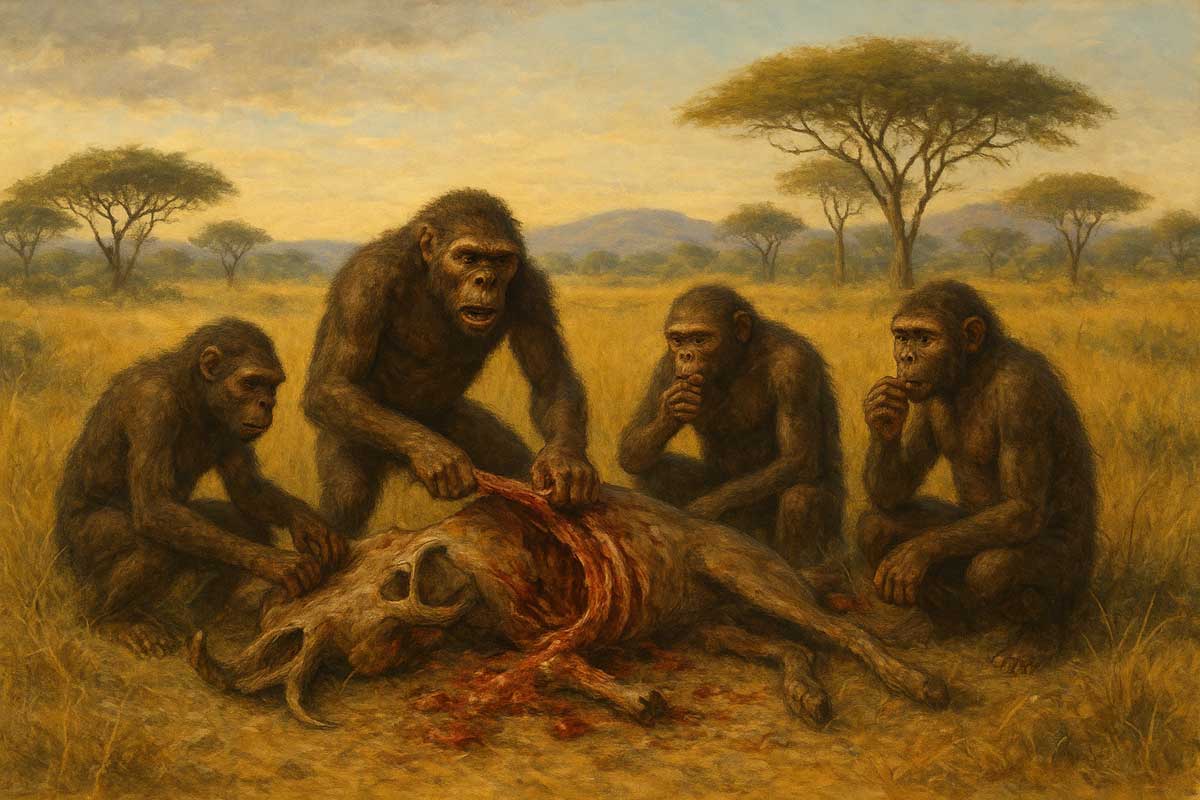
How Eating Carrion Drove Human Evolution and Survival
A new study challenges long-held assumptions about human evolution by repositioning carrion consumption as a fundamental survival strategy rather than a primitive behavior our ancestors abandoned. The research, published in the Journal…
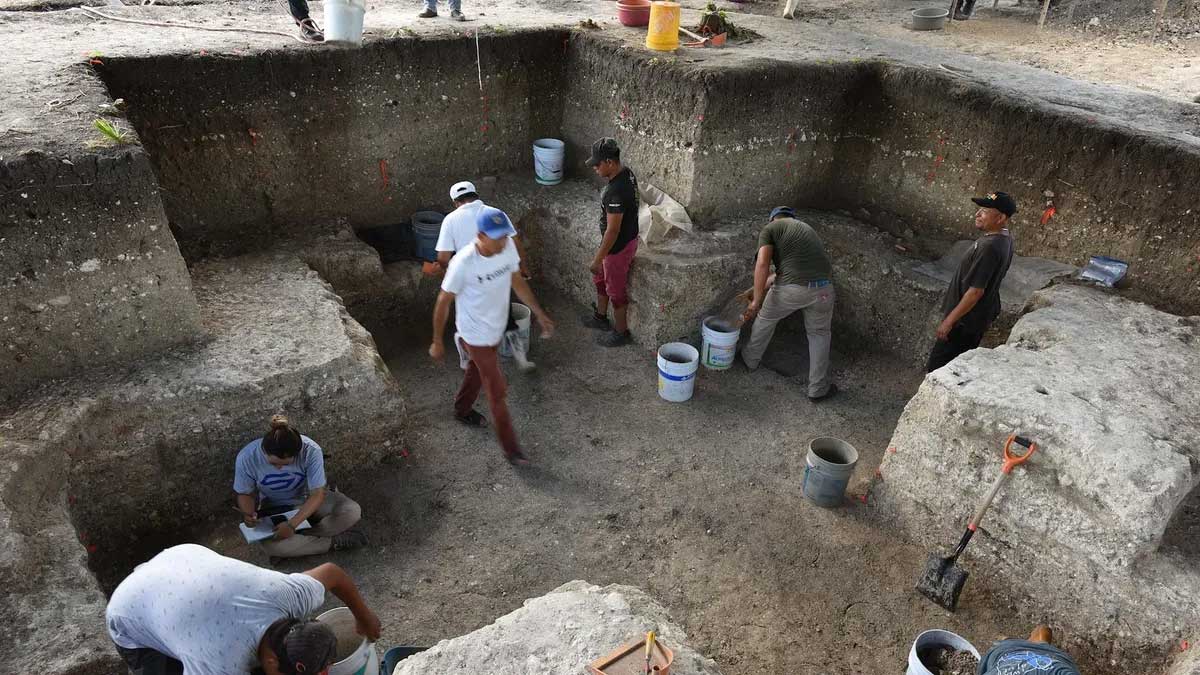
Ancient Maya Site Was Massive Cosmogram Depicting Universal Order
A 3,000-year-old Maya complex in southeastern Mexico functioned as a city-sized map of the cosmos, new research reveals. Aguada Fénix, the oldest and largest monumental architecture in the Maya region, was designed…
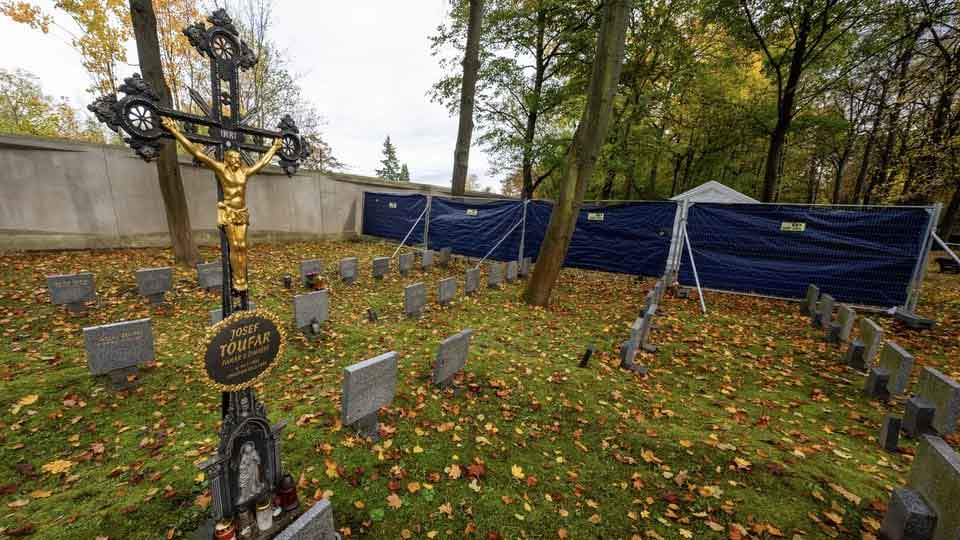
Prague Archaeologists Excavate Graves of Anti-Communist Resistance Fighters
Archaeologists in Prague are searching for the remains of three Czechoslovak soldiers executed by the Communist regime nearly 80 years ago, offering their families a chance for proper burial after decades of…
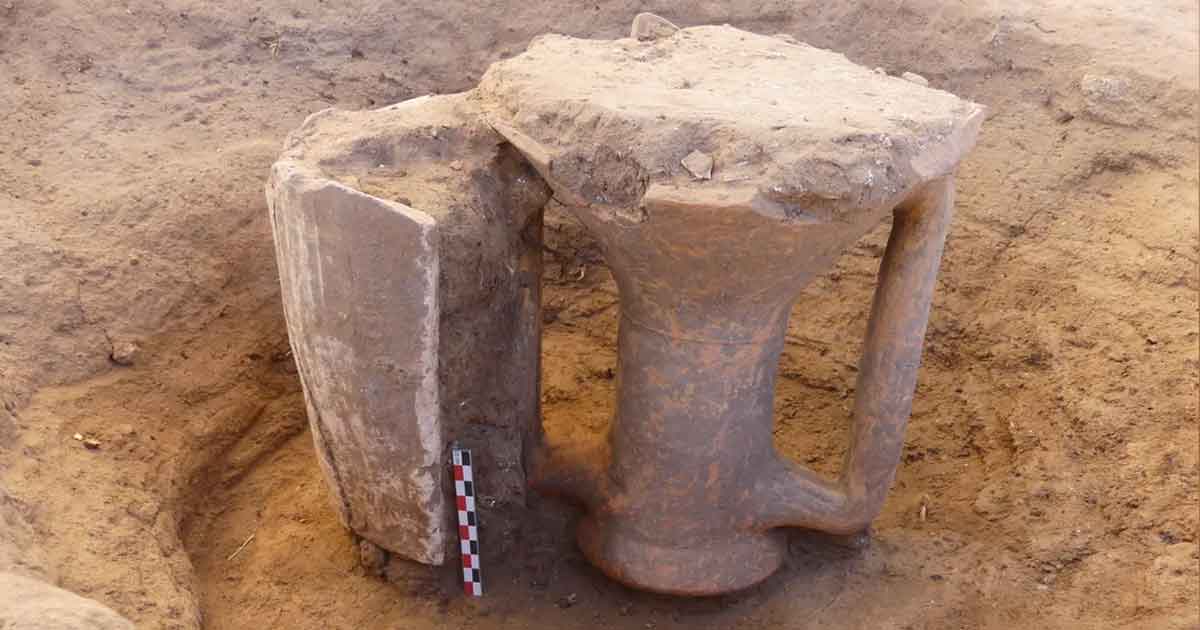
Massive Roman Cremation Cemetery Reveals Burial Rituals in Southern France
Archaeologists excavating in southern France have uncovered more than 160 cremation burials that illuminate Roman funerary practices between the first and third centuries A.D. The graves, discovered at the ancient city of…
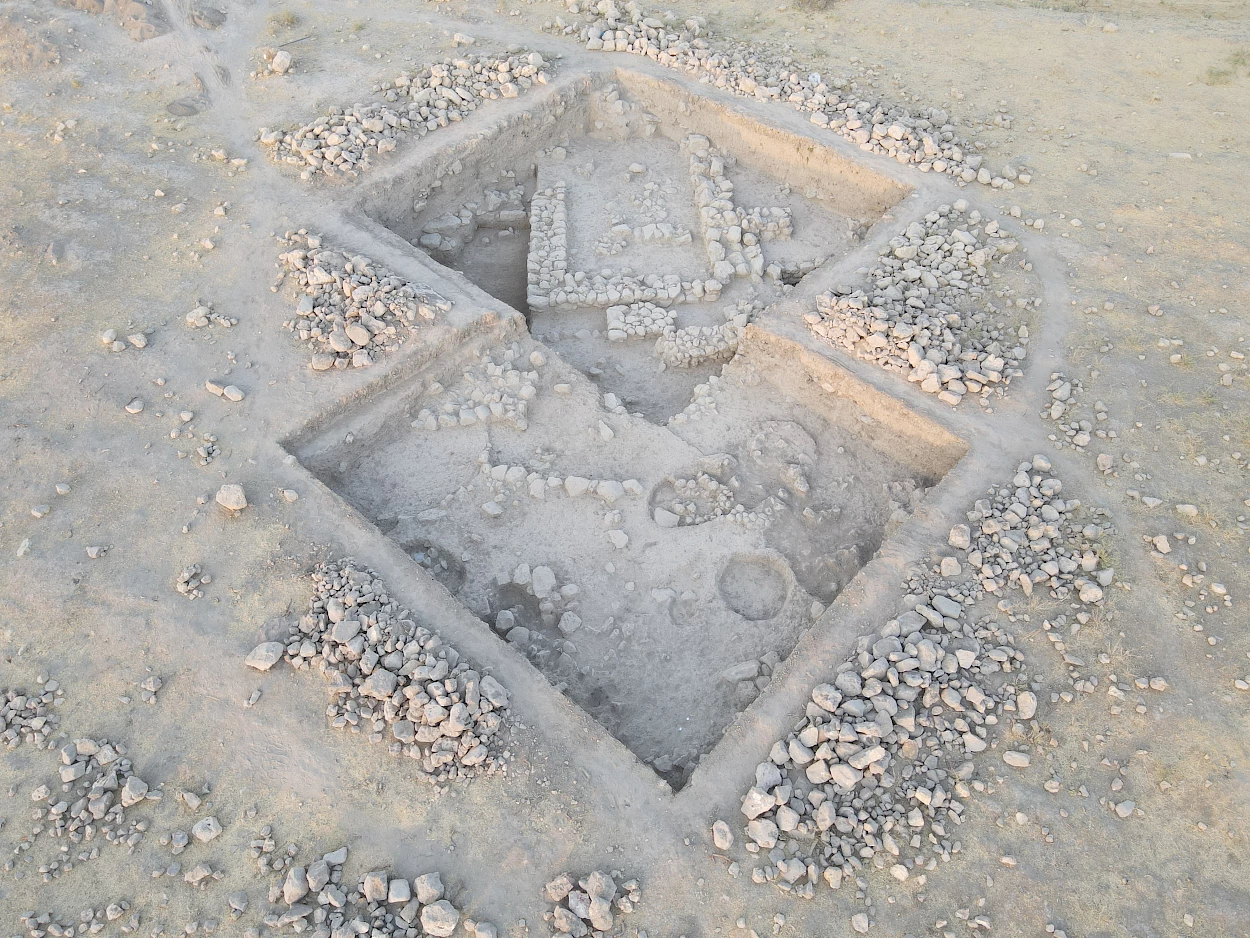
Monumental Uruk-Period Building Unearthed in Iraqi Kurdistan
Archaeologists working at Kani Shaie in Iraqi Kurdistan have uncovered a monumental building dating to the Uruk period, around 3300–3100 BC. The structure, discovered during the 2025 excavation season, appears to have…

2,200-Year-Old Celtic Gold Coin Discovered in German Field
A certified metal detectorist scanning a field near Leipzig, Germany, has unearthed the oldest coin ever found in the state of Saxony. The 2,200-year-old gold coin, known as a “rainbow cup,” represents…