
Author: AllThatHistory
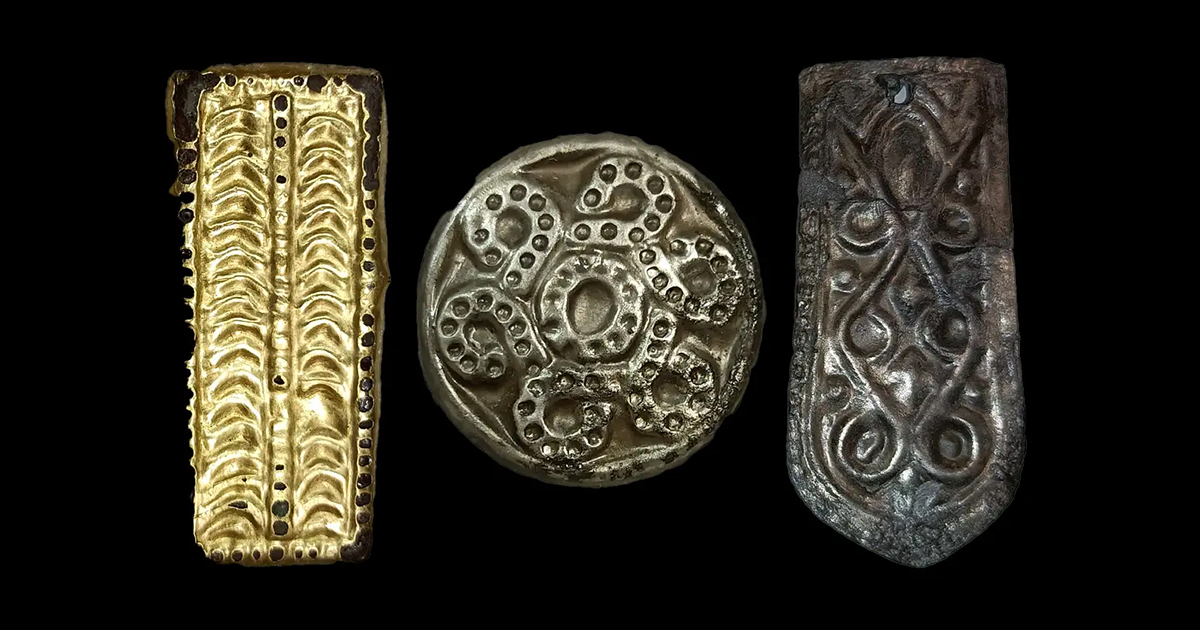
Hungarian Archaeologists Uncover 1,300-Year-Old Avar Warrior Burial with Intact Sabre
A team from the Szent István Király Museum has discovered an elite warrior’s grave near Aba and Székesfehérvár in central Hungary. The burial, dated between 670 and 690 CE, belonged to a…
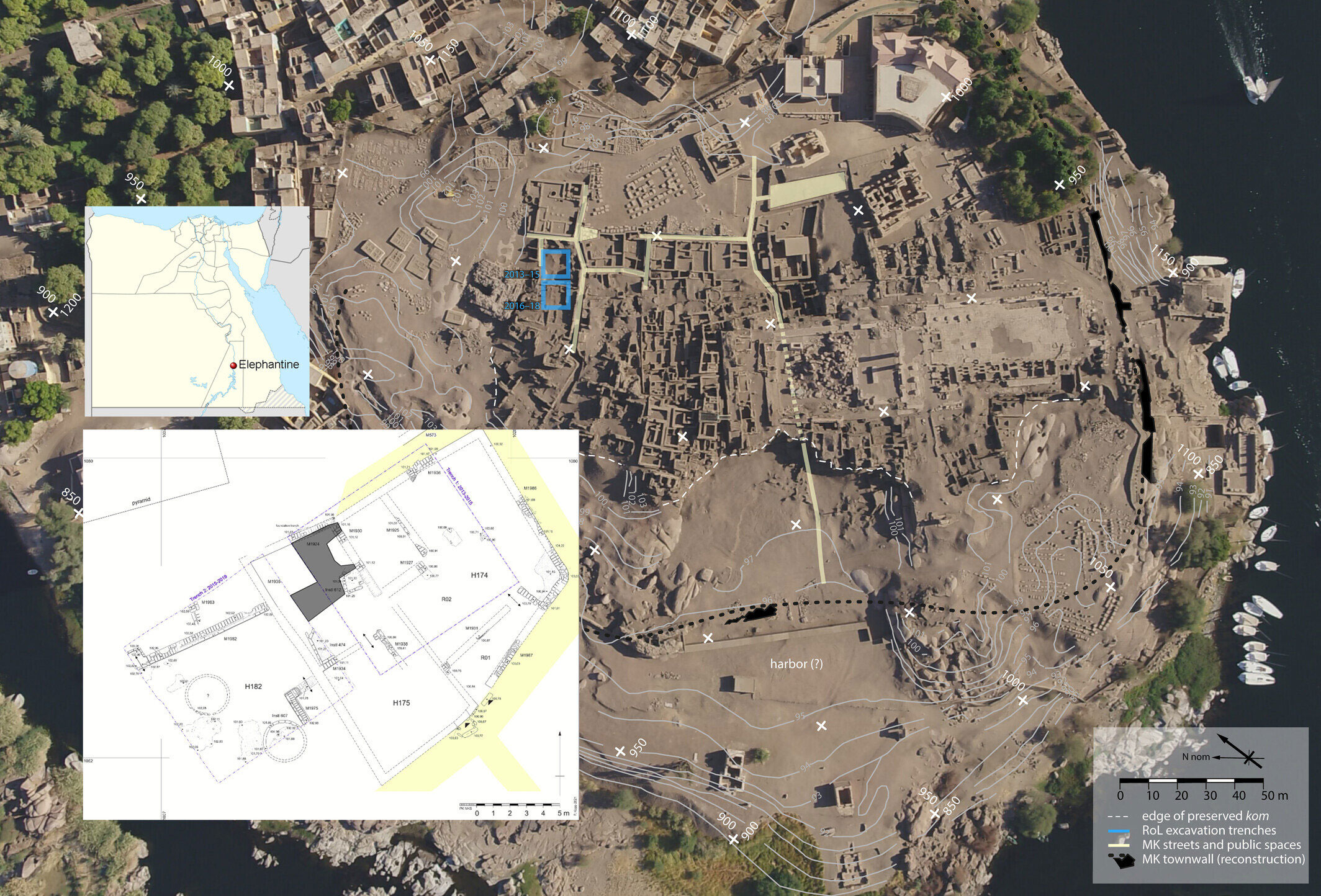
Ancient Egyptians Deliberately Produced Arsenical Bronze 4,000 Years Ago on Elephantine Island
Metalworkers on Elephantine Island near Aswan were deliberately producing arsenical bronze nearly 4,000 years ago using sophisticated alloying techniques, according to new research published in Archaeometry. The discovery overturns long-held assumptions about…
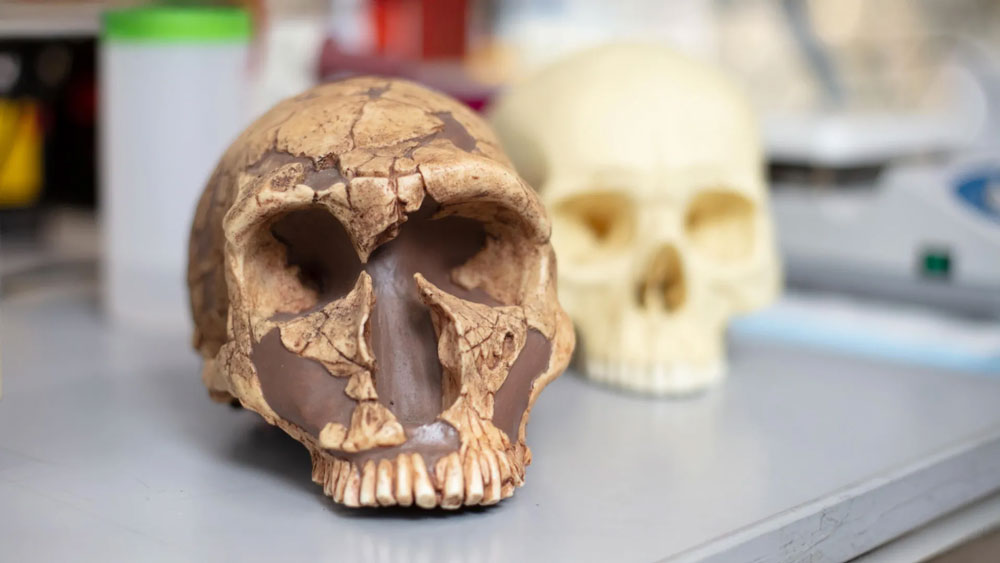
Lead Exposure May Have Limited Language Development in Neanderthals While Humans Evolved Genetic Protection
Ancient humans and their extinct relatives were exposed to toxic lead for nearly two million years, and this environmental stressor may have shaped the evolution of language and brain development in ways…
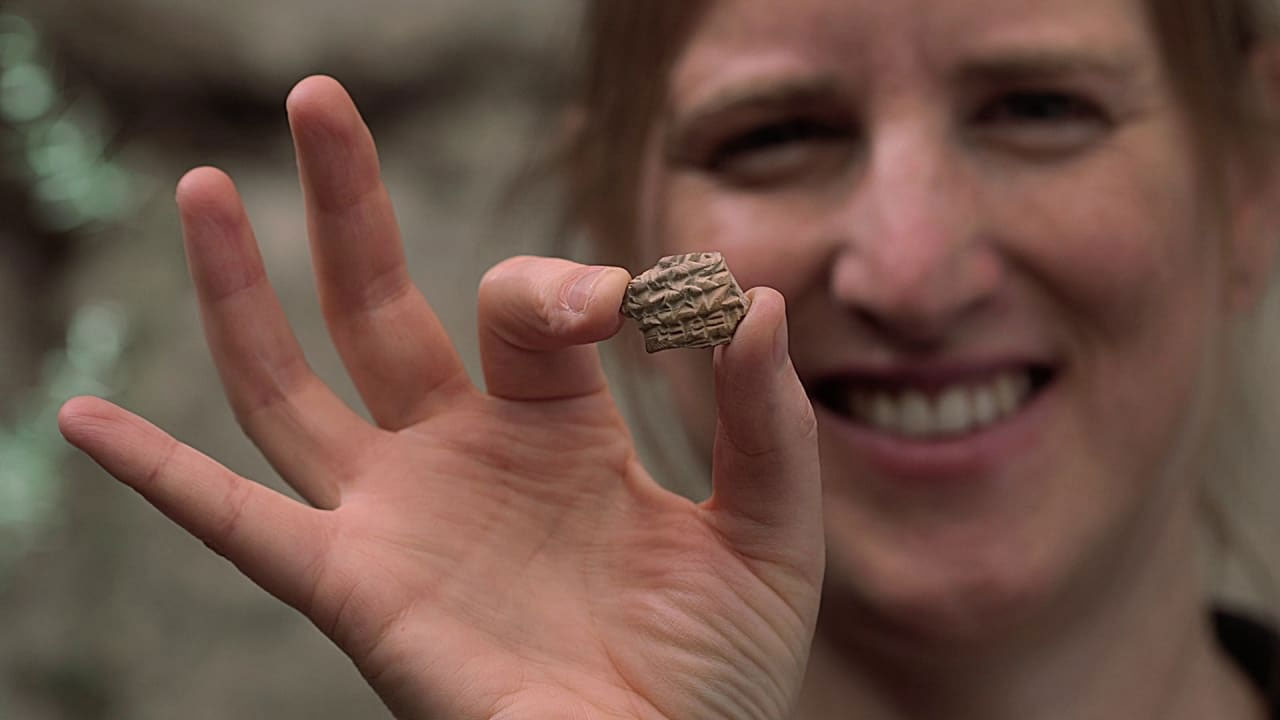
First Assyrian Cuneiform Inscription from First Temple Period Discovered in Jerusalem
A fragment of pottery no bigger than a coin has revealed something Jerusalem has never seen before. The 2.5-centimeter shard bears Akkadian cuneiform script—an Assyrian inscription from roughly 2,700 years ago, marking…
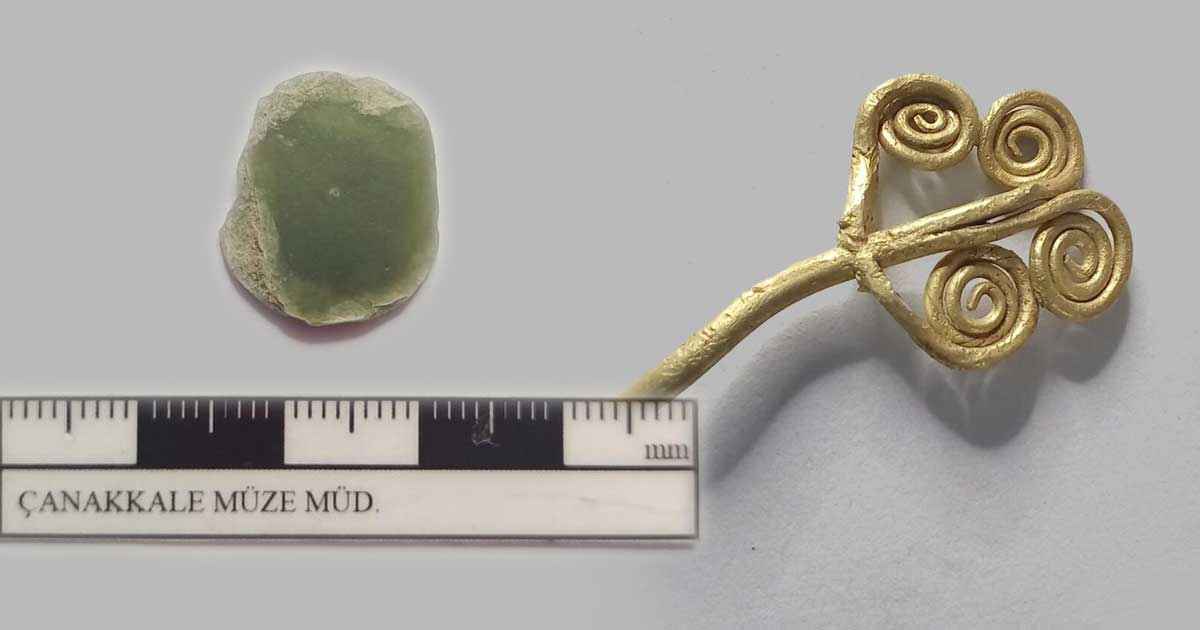
Ancient Gold Brooch and Jade Stone Unearthed at Troy
Archaeologists working at the ancient city of Troy in northwestern Turkey have unearthed a 4,500-year-old gold brooch, a jade stone, and a bronze pin, findings that push the city’s known history several…
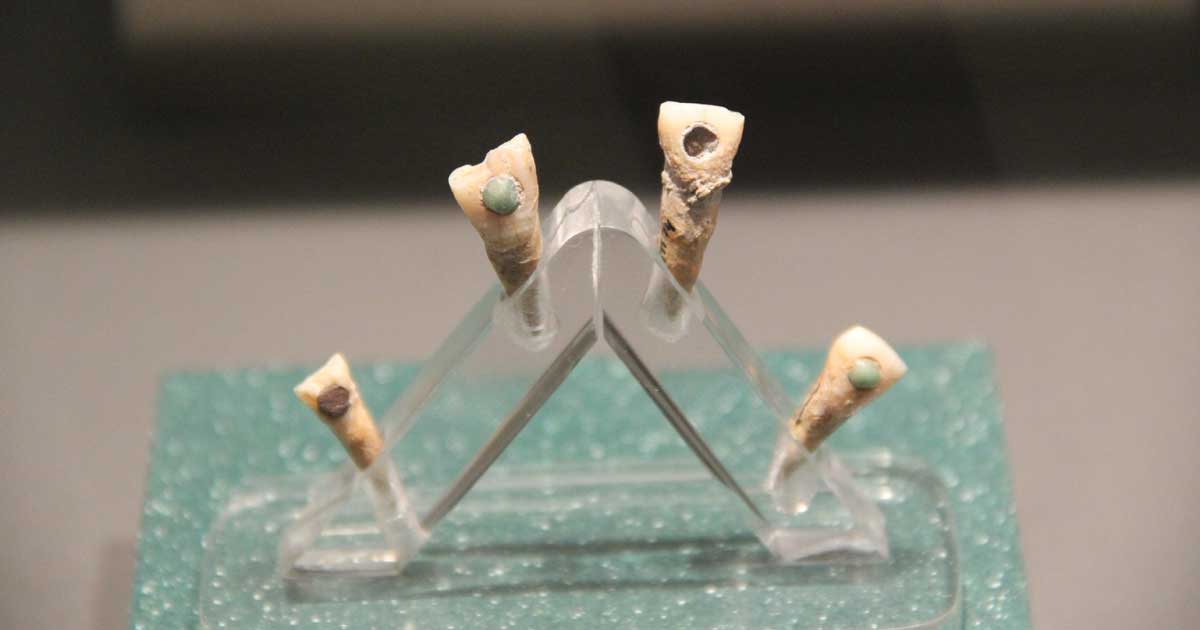
7-Year-Old Maya Child Wore Jade “Tooth Gem” in Ancient Ritual Practice
Maya children as young as seven years old received elaborate jade dental inlays centuries ago, marking what researchers believe was a significant social milestone or coming-of-age ceremony. The discovery challenges previous assumptions…