Spanish Researchers Create First Complete 3D Map of Historic La Pileta Cave Using Advanced LiDAR
University of Seville researchers used advanced LiDAR technology to create the first complete 3D digital model of La Pileta Cave, home to prehistoric art spanning 100,000 years.

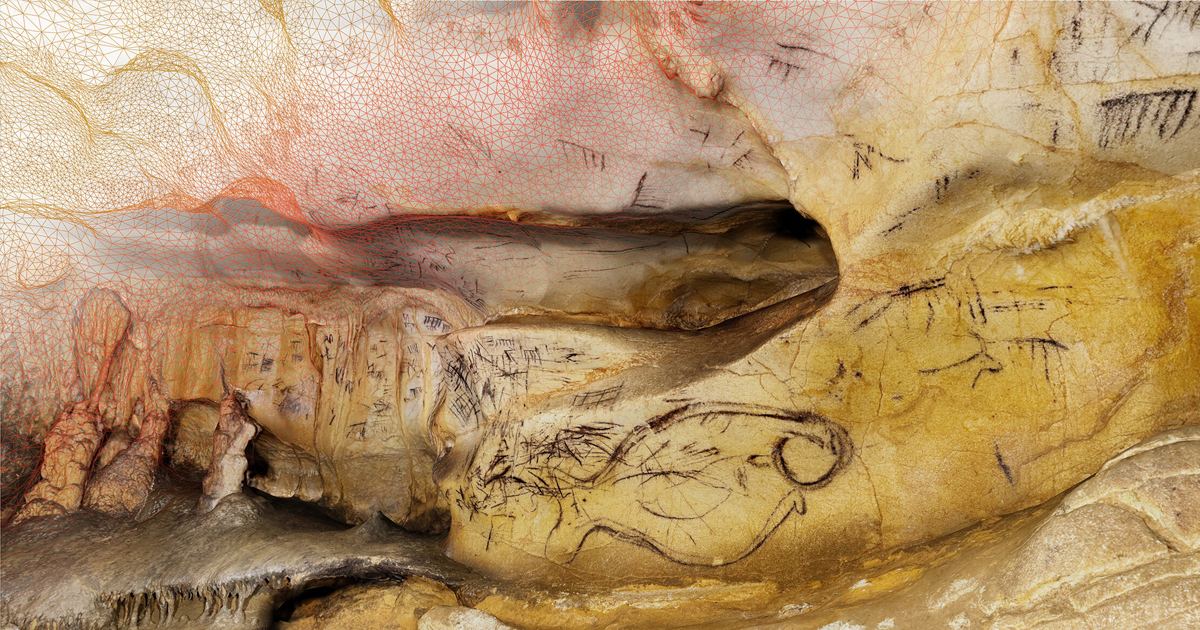
University of Seville researchers have successfully captured the first comprehensive three-dimensional digital model of La Pileta Cave in Benaoján, Málaga, using cutting-edge LiDAR technology. This breakthrough provides unprecedented documentation of one of Europe’s most significant cave art sites.
Designated as a National Monument since 1924, La Pileta Cave contains several thousand graphic motifs spanning from Upper Paleolithic times through the Bronze Age. Animal figures, symbolic representations, and human silhouettes remain preserved across more than 100,000 years of archaeological sequence.
Exceptional artifacts fill the cave, including a Gravettian-period lamp bearing pigment traces—recognized as one of the oldest lighting devices discovered on the Iberian Peninsula. Such discoveries make La Pileta a critical reference point for understanding European prehistoric art and culture.
Researchers employed a dual-technology approach combining mobile smartphone LiDAR with terrestrial laser scanning equipment. Mobile systems provided versatility for accessing narrow passages and difficult-to-reach areas while capturing high-quality surface textures. Meanwhile, terrestrial laser scanners delivered precise, long-range measurements with exceptional reliability.
Complementarity between both systems allowed scientists to obtain a complete and validated 3D model with minimal margin of error against topographic reference points, according to their study published in the Journal of Archaeological Science.
Smartphone-based LiDAR technology uses pulsed laser beams to measure distances from emitters to cave surfaces and rock formations. This mobile approach enabled researchers to navigate complex interior spaces that traditional scanning equipment cannot reach effectively.
Beyond documentation, the comprehensive digital model opens new possibilities for archaeological research, heritage management, and preventive conservation efforts. Scientists can now analyze rock art patterns without physical contact, reducing potential damage to irreplaceable prehistoric masterpieces.
Virtual visitors can now explore immersive educational experiences, examining ancient artwork in unprecedented detail through this digital preservation method. A permanent record protects against natural deterioration or accidental damage.
Five researchers collaborated on the project: Daniel Antón from the Department of Graphic Expression and Building Engineering, Juan Mayoral from the PAMSUR research group focusing on Middle and Upper Paleolithic studies in southern Iberia, María Dolores Simón and Miguel Cortés from the Department of Prehistory and Archaeology, plus Rubén Parrilla from PAMSUR and Portugal’s University of Algarve ICArEHB research center.
Featured image: Digital model of La Pileta cave. Credit: D. Antón et al., Journal of Archaeological Science (2025)