Roman Sarcophagus in London May Hold a Medieval Abbot
A Roman sarcophagus in London may hold the remains of a medieval abbot, according to new research at Westminster Abbey.

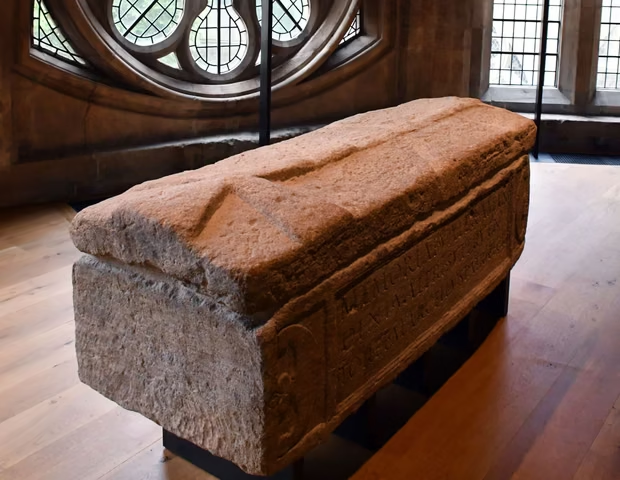
A Roman sarcophagus in London has revealed a burial mystery at Westminster Abbey. Although the stone coffin dates to Roman Britain, researchers believe the human remains inside may belong to a medieval abbot who died centuries later.
New research published in October 2026 points to a possible answer. Archaeologists believe the remains may belong to a medieval abbot of Westminster, although they have not confirmed the man’s identity.
The limestone sarcophagus was excavated at Westminster Abbey in London in 1869. Its inscription honors Valerius Amandinus, who lived around the third or fourth century AD. However, a cross carved into the lid suggested that someone reused the coffin much later.
Roman Sarcophagus in London Holds a Medieval Mystery
The coffin’s inscription initially linked it to the Roman period. The cross on its lid told a different story. Researchers dated the cross to the 10th or 11th century, hundreds of years after Amandinus lived. This suggested that someone had adapted the old sarcophagus for a later burial.
For years, the identity of the person inside remained a mystery. Some people believed the skeleton had been lost, but conservation work in 2016 revealed that the coffin still contained human remains. Researchers then examined the bones and the structure of the burial. Their findings helped establish when the person died and offered new clues about his possible identity.
The Bones Point to an Anglo-Saxon Burial
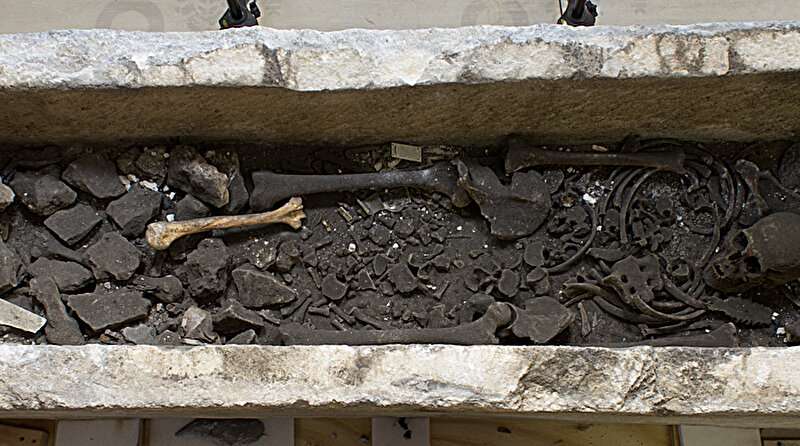
Human bone specialist James Young Langthorne examined the remains and estimated that the man was between 35 and 49 years old. He stood about 5 feet 9 inches tall. Radiocarbon dating placed his death between AD 987 and 1052. This supports the theory that someone reused the Roman coffin during the late Anglo-Saxon period.
Researchers also found evidence of a wooden coffin inside the stone sarcophagus. Although the wood had disappeared, a residue left by lime preserved its outline. The burial suggests that someone gave the man a prominent resting place. Archaeologist Warwick Rodwell believes the evidence points to a high-ranking religious figure rather than an ordinary member of the community.
Two Medieval Abbots Fit the Evidence
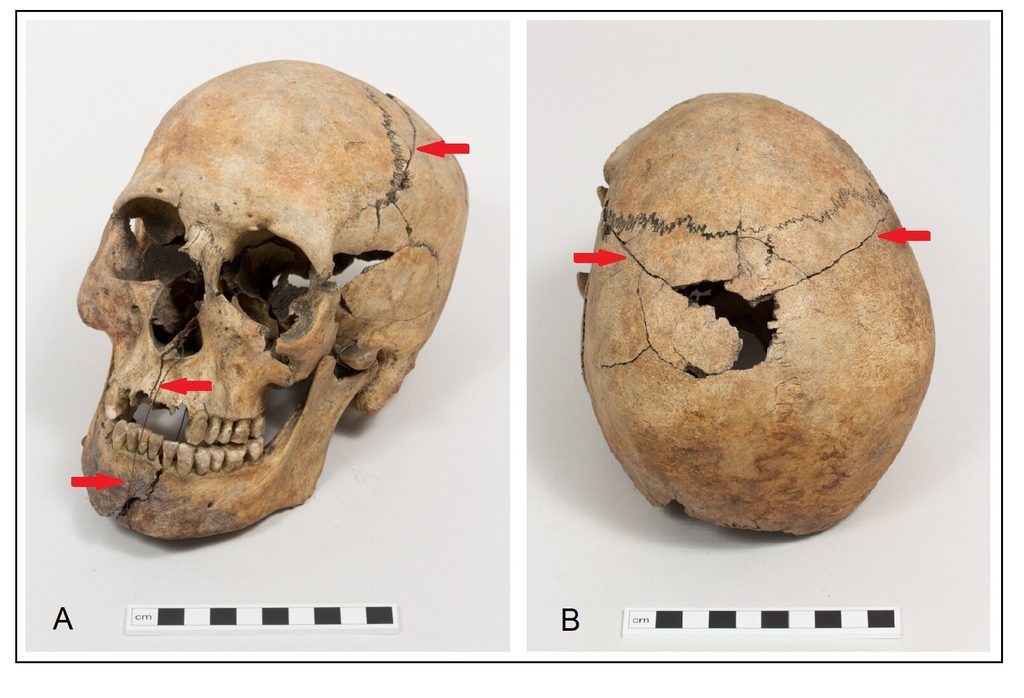
Rodwell has identified two possible candidates: Aelfwig who died around 1020, and his successor Wulfnoth, who died in 1049. Both men served as abbots of the Benedictine monastery at Westminster. Their dates fit the radiocarbon results, and both are believed to have been buried at the abbey.
Aelfwig may be the stronger candidate because he was already a monk at Westminster before becoming abbot. However, researchers cannot identify the skeleton with certainty from the available evidence. The original Roman inscription does not identify the medieval occupant. Instead, it reflects the coffin’s earlier history, before someone adapted it for a new burial.
Why Was a Roman Coffin Reused?
The sarcophagus offered a substantial stone burial container, and its later modification suggests that someone considered the occupant important. Reusing an older coffin also shows how medieval communities adapted objects from earlier periods. The lid’s cross is particularly important. Its style fits the period when the bones were placed inside, linking the physical evidence to the radiocarbon date.
The case also shows how archaeological investigations can change the interpretation of an object long after its discovery. The coffin had been known for generations, but modern analysis of the bones and burial materials has brought researchers closer to understanding its second occupant.