Mammoth Bones in Germany May Reveal Ice Age Hunting
New mammoth bones in Germany may show that Ice Age hunters killed and butchered the animals more than 30,000 years ago.

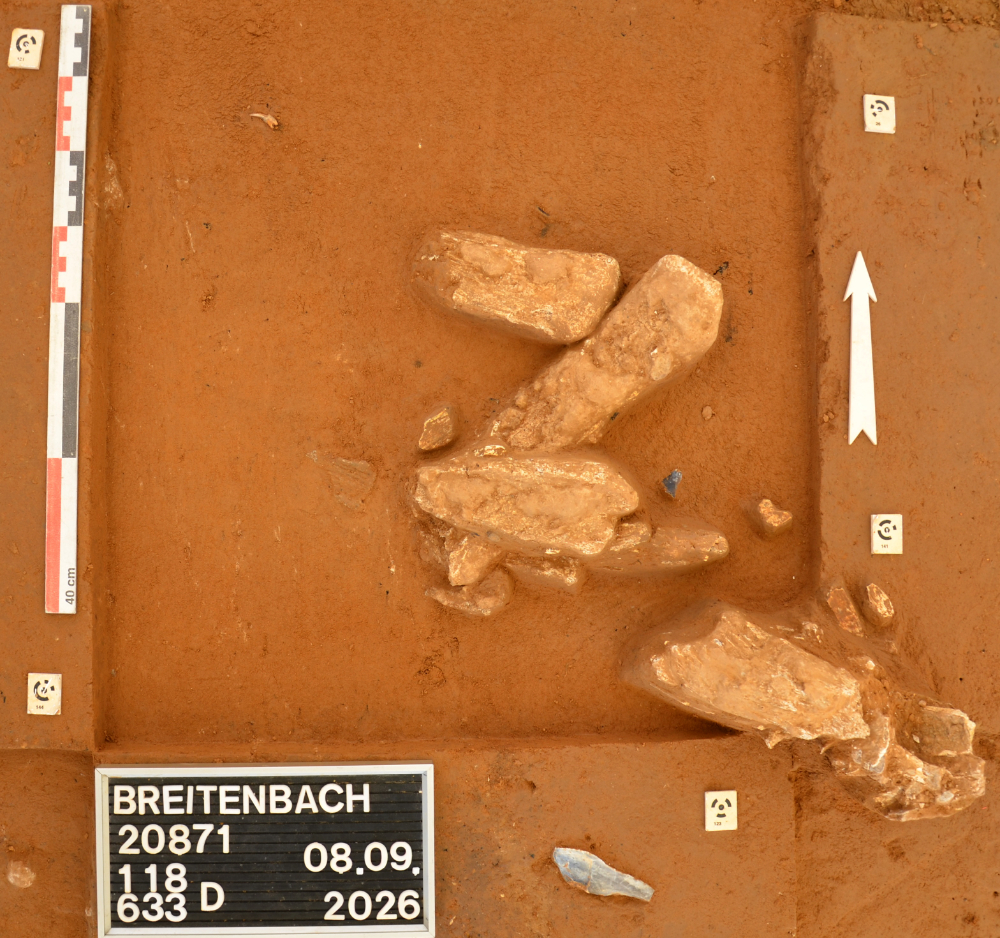
Archaeologists in Germany have uncovered large concentrations of mammoth bones at a site where people lived more than 30,000 years ago. The finds could change what researchers know about how these early communities obtained mammoth ivory.
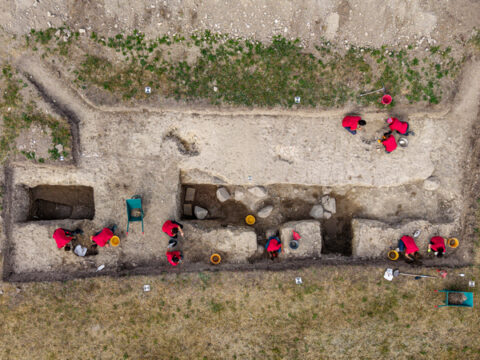
The discoveries came from Breitenbach-Schneidemühle in Saxony-Anhalt, where archaeologists excavated between July and October 2026. The team recovered mammoth bones, long fragments of tusks and pieces of worked ivory. Some bones also show cut marks that may indicate people butchered the animals for food.
Mammoth Bones in Germany Raise New Questions
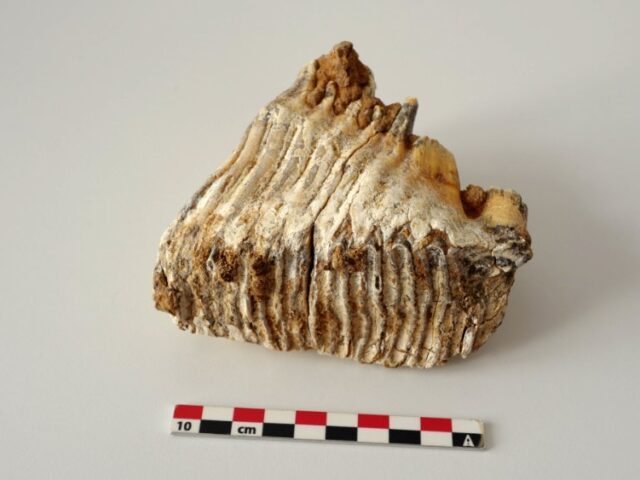
The site has been known for about a century. A student discovered a mammoth tooth there in 1924 during construction work. Archaeologists carried out major excavations in 1927, but researchers had not uncovered concentrations of mammoth bones like these again until the latest work.
Earlier studies suggested that some ivory used by people at Breitenbach may have come from mammoths that had died long before humans occupied the site. The new discoveries raise another possibility: hunters may have killed mammoths locally and used their remains. Researchers have not confirmed that interpretation. However, the cut marks and the concentration of bones give the team new evidence to investigate.
How Ice Age People Used Mammoth Remains
Mammoths offered more than food. Their tusks provided ivory for tools, ornaments and art, while their hides may have supplied material for clothing or shelter coverings. Breitenbach already had evidence of specialized ivory working. Earlier excavations uncovered pierced beads, projectile points and fragments of carved objects, along with waste left over from making them.
These finds led archaeologists to identify part of the site as an ivory workshop. The new bones and tusk fragments may help explain where the raw materials came from and how people used them.
A Rare Look at an Ice Age Settlement
Breitenbach covers roughly 10,000 square meters, making it an unusually large open-air site from the Aurignacian period. This period, around 42,000 to 32,000 years ago, saw early modern humans spread across parts of Europe. Many sites from this period are caves. Breitenbach gives researchers a chance to study how people organized activities in an outdoor settlement.
Archaeologists have identified areas associated with ivory working and the processing of animal pelts, including those of Arctic foxes and mountain hares. These distinct activity zones offer clues about how people divided work within their camp.
Around 40 students from Germany and other countries took part in the 2026 excavation season. The research is a joint project involving MONREPOS, part of the Leibniz Centre for Archaeology, and the State Office for Heritage Management and Archaeology of Saxony-Anhalt.
What Researchers Hope to Learn Next
The latest discoveries do not yet prove that people hunted mammoths at Breitenbach. Further study of the bones, cut marks and surrounding archaeological evidence may help establish how the animals ended up at the site.
If researchers confirm that people killed and butchered mammoths there, the findings could change how they understand ivory use at the settlement. They may also provide a clearer picture of how Ice Age communities obtained food and materials.
For now, Breitenbach continues to reveal details of life more than 30,000 years ago. The latest excavation adds new evidence to a site that researchers have studied for nearly a century.