2,800-Year-Old Bone Flute Found at Troy Reveals Ancient Music
A 2,800-year-old bone flute found at Troy offers the first physical evidence of a musical instrument from the ancient site.

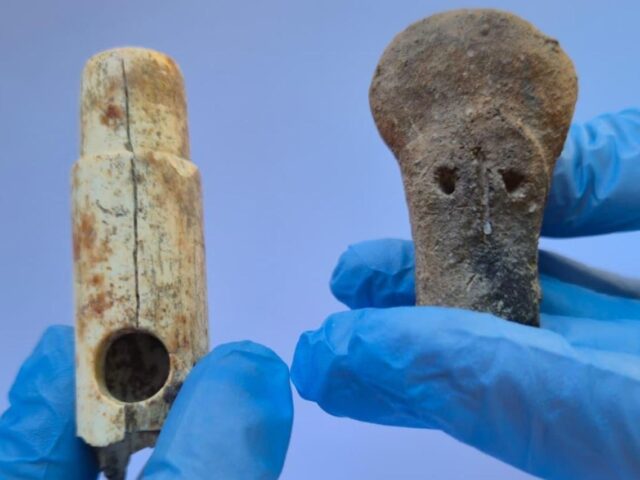
Archaeologists have found a 2,800-year-old bone flute at ancient Troy in northwestern Türkiye. The discovery gives researchers the first physical evidence of a musical instrument recovered during more than 160 years of excavations at the famous archaeological site.
The team uncovered the flute during the 2026 excavation season at Hisarlık, the site of ancient Troy, near the village of Tevfikiye. Archaeologists also found a human-shaped idol head dating back about 4,500 years, offering evidence from a much earlier period in the city’s history.
Bone Flute Found at Troy After 160 Years of Excavations
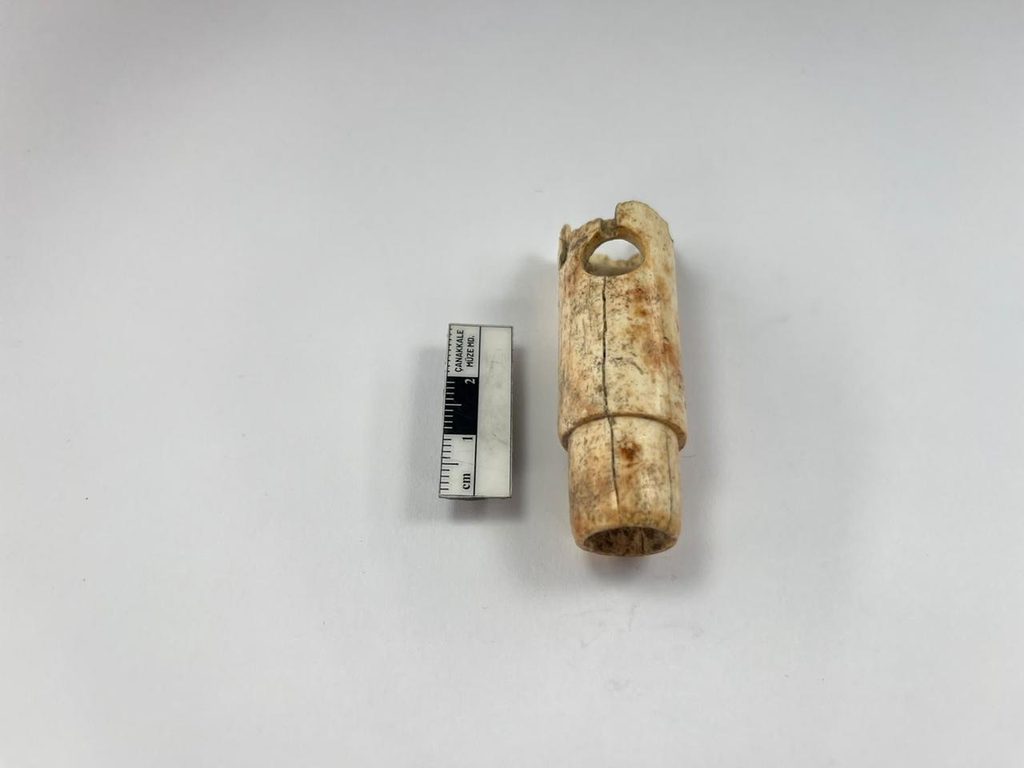
The flute comes from a settlement layer dating to the eighth century BC, during the Archaic period. Its age places it around the era when many scholars believe the Homeric epics took shape, although researchers have not linked the instrument directly to Homer or any particular musical performance. The surviving artifact retains its head section, which remains attached to the body. This detail may help researchers examine how ancient craftspeople made the instrument and how it worked.
The find matters because organic materials such as bone, wood, and reeds can deteriorate over time. Musical instruments rarely survive in their original form, leaving archaeologists with limited physical evidence of how ancient communities created music. Professor Rüstem Aslan, director of the Troy excavations, described the flute as the first musical instrument discovered in the site’s excavation history.
What the Bone Flute Tells Us About Music at Troy
Ancient artwork and written sources already show that people across the Mediterranean played musical instruments. However, the flute provides direct physical evidence of an instrument from Troy itself. Music played a role in religious ceremonies, public gatherings, and social activities throughout the ancient world. The new find gives researchers an opportunity to investigate musical traditions at Troy alongside the site’s buildings, pottery, tools, and other objects.
Researchers have not yet established exactly how people played the flute or whether they used it for ceremonies, entertainment, or another purpose. Further examination may reveal more about its construction and possible function. The flute also dates to a period associated with the development of the Homeric epics. Troy occupies a central place in the Iliad, which tells the story of the legendary Trojan War. However, the artifact does not confirm any specific musical scene described in ancient literature.
A 4,500-Year-Old Idol Head From an Earlier Troy
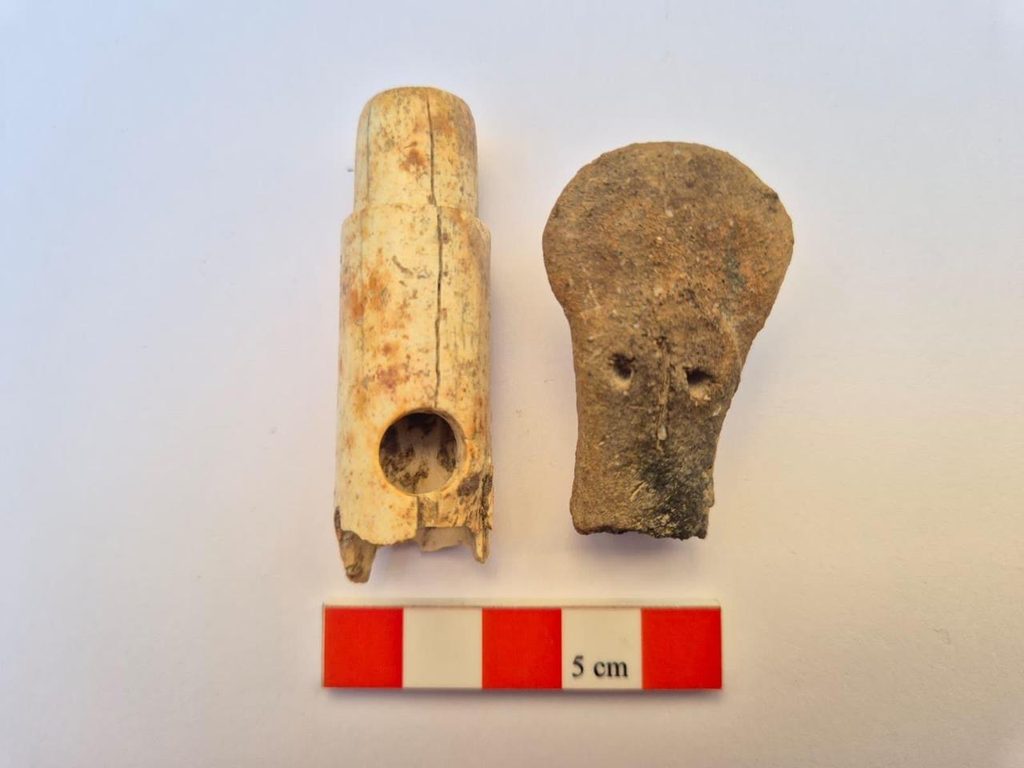
The excavation team also discovered a small human-shaped idol head near the entrance to Troy II, an early settlement phase that dates to around 2500 BC. Unlike the flute, which dates to the first millennium BC, the idol belongs to the Early Bronze Age. The two objects therefore represent different periods in Troy’s long history.
Researchers found the idol head in a fire-damaged archaeological layer. Similar human-shaped objects appear at sites across western Anatolia, where archaeologists study them to understand ancient artistic traditions and symbolic practices. The object’s exact purpose remains uncertain. Its archaeological context, however, gives researchers useful evidence for comparing it with other examples from the region.
New Discoveries Add to Troy’s Long History
Troy developed through many settlement phases over thousands of years. Archaeologists continue to investigate how its inhabitants lived, traded, created objects, and interacted with communities across Anatolia and the Aegean. The bone flute and idol head shed light on different aspects of that history. One offers new evidence of musical culture during the Archaic period, while the other provides another example of symbolic art from the Early Bronze Age.
Türkiye’s Ministry of Culture and Tourism says researchers will continue studying and conserving both artifacts. Further work may clarify how the craftspeople made the flute and what role the two objects played in their respective communities. More than 160 years after excavations began, Troy continues to yield objects that help archaeologists reconstruct the lives of its past inhabitants.