5,000-Year-Old Arrow Emerges From Melting Ice in Norway
A 5,000-year-old arrow has emerged from melting ice in Norway, revealing new clues about Stone Age hunting and life in the mountains.

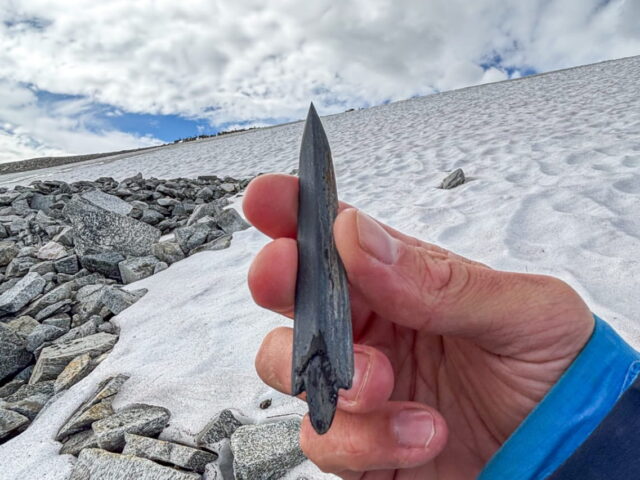
A 5,000-year-old arrow has emerged from melting mountain ice in Norway, still carrying part of its wooden shaft and a finely made slate arrowhead. It is one of 48 prehistoric arrows archaeologists recovered this year from Norway’s high mountains.
The discoveries came from the Jotunheimen mountains, where archaeologists with the Secrets of the Ice project spent three weeks searching exposed areas at Langfonne, Storfonne and Handklefonne. Among the finds was the unusually well-preserved Stone Age arrow, which still retains parts of its original construction.
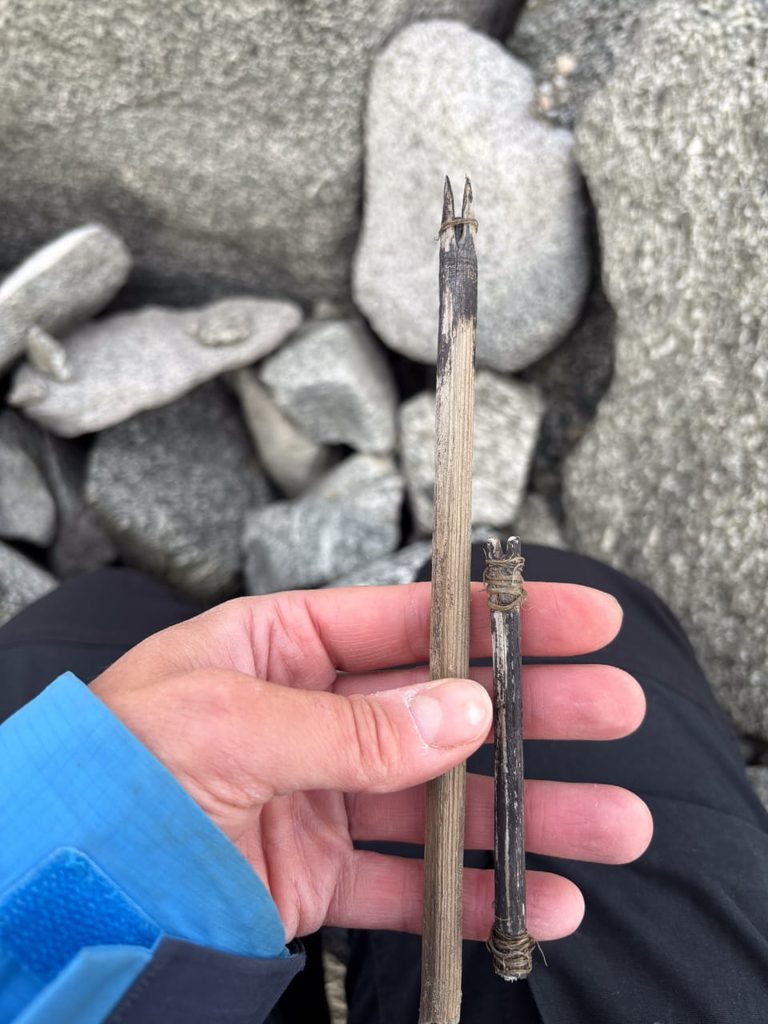
The slate point remains attached to the wooden shaft, while traces of the material used to bind the pieces together have also survived. The ice protected these fragile materials for thousands of years, preserving details that would normally disappear.
A Hunting Weapon Frozen in Time
The arrow is part of a much larger record of ancient hunting in Norway’s mountains. Reindeer moved toward the ice during warmer months to escape biting insects. Hunters followed them into the high mountains, leaving behind arrows and other equipment when weapons broke or were lost. Over thousands of years, the ice preserved some of these objects alongside reindeer bones and antlers.
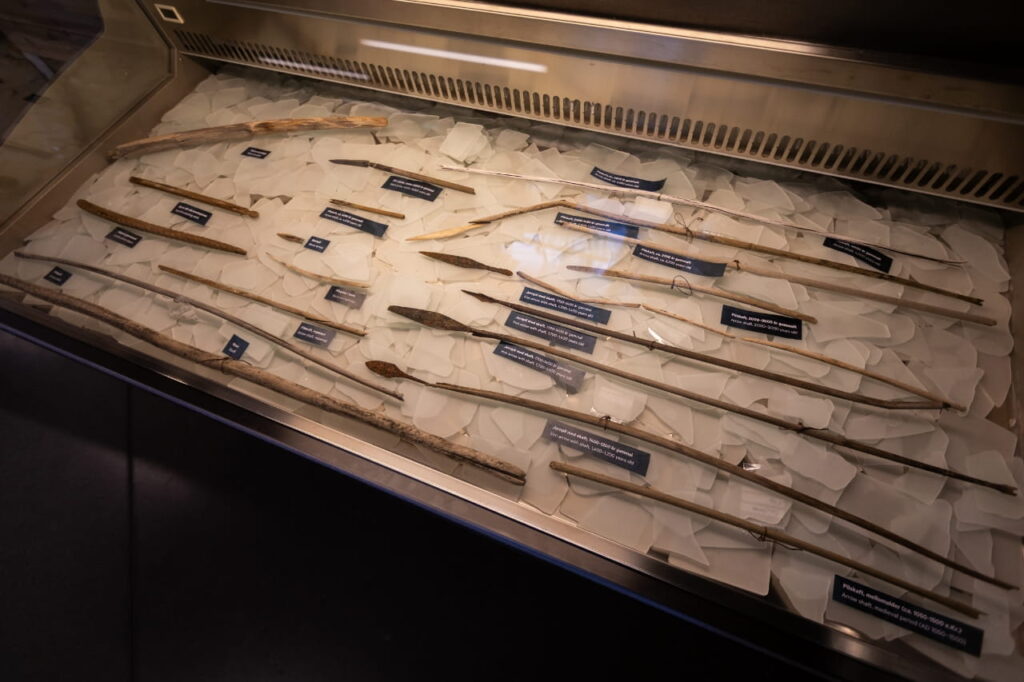
The newly recovered arrows span several periods. Some date to the Stone Age, while others were made during the Bronze Age and later. Their construction also changed over time. Archaeologists have found arrowheads made from slate, bone, freshwater mussel shell and iron. Some wooden shafts still preserve details of how the weapons were made and assembled.
The Ice Is Revealing Older Finds
The discoveries are part of a much larger archaeological record. When systematic glacial archaeology began in the region in 2006, most recovered objects were less than 2,000 years old, with Viking Age finds especially common. As older layers of ice have disappeared, archaeologists have started finding more objects from the Stone Age and Bronze Age.
The wider Secrets of the Ice project has recorded 73 archaeological sites and recovered more than 5,000 artifacts since 2006. Those discoveries include arrows, bows, hunting equipment, clothing, shoes and objects connected with travel and everyday life. Together, they show how extensively people used Norway’s mountain areas over thousands of years.
A Race to Save the Artifacts
The changing landscape has also created a serious preservation problem. Once wooden shafts, hide, sinew and other organic materials emerge from the ice, exposure to air, sunlight and weather can cause them to deteriorate quickly. Archaeologists therefore have only a limited window to locate, document and preserve them. Researchers working in the region estimate that many archaeological ice sites could disappear completely within about two decades if current conditions continue.
Some of the newest discoveries are already being preserved in refrigerated conditions at the Norwegian Mountain Centre in Lom. For thousands of years, the ice protected these objects from the outside world. Now, as the ice retreats, it is exposing them again. The 5,000-year-old arrow offers a rare glimpse into that ancient world. Someone made it, carried it into the mountains and used it during a hunt thousands of years ago. It then vanished into the ice, where it remained until the changing landscape brought it back.