5,000-Year-Old Tombs in Oman Reveal Links to Mesopotamia
5000 year-old tombs in Oman contain human remains, intact pottery, bronze weapons, copper tools, and beads from ancient burial chambers.

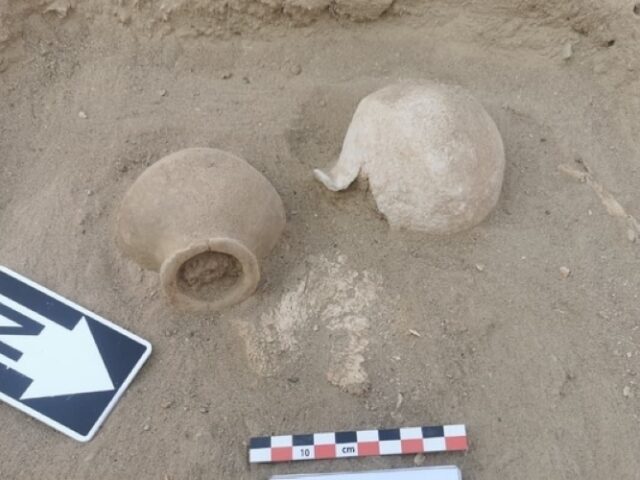
Archaeologists have uncovered 5000 year-old tombs in Oman containing human remains, intact pottery vessels, copper tools, and bronze weapons. The discoveries come from an ancient burial site in Al Aynain, near Ibri, in northwestern Oman.
The excavation has revealed burial chambers with pottery and skeletal remains dating to the third millennium BC. Officials associate many of the finds with the Jemdet Nasr civilization of ancient Mesopotamia.
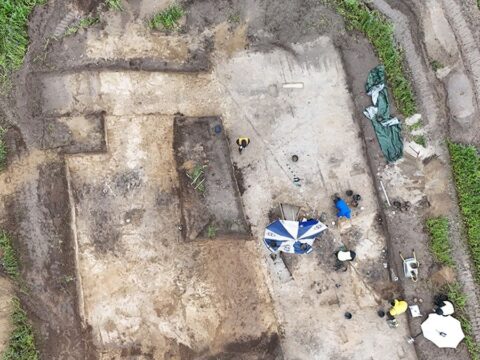
Oman’s Department of Heritage and Tourism began the rescue excavation in October 2026. The team hopes to document and protect the burial site before nearby residential development destroys important archaeological remains.
5000 Year-Old Tombs in Oman Contain Pottery and Human Remains
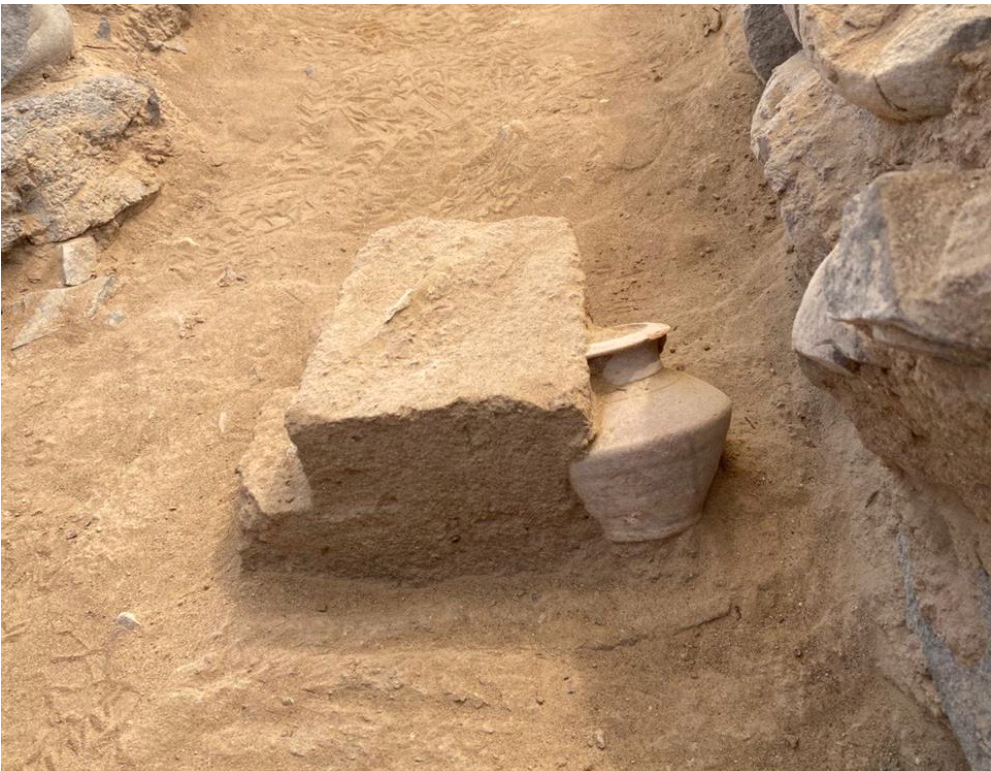
The 5000 year-old tombs in Oman contain human skeletal remains alongside complete pottery vessels. Some of the vessels survived in remarkably good condition. The pottery provides important clues about the people who used the cemetery.
Officials have associated much of it with the Jemdet Nasr culture, which developed in southern Mesopotamia during the late fourth and early third millennia BC. The discovery adds to evidence of contact between ancient communities in Oman and neighboring regions. However, researchers still need to examine the objects in greater detail to establish their precise origins.
Bronze Weapons and Copper Tools Found Inside the Tombs
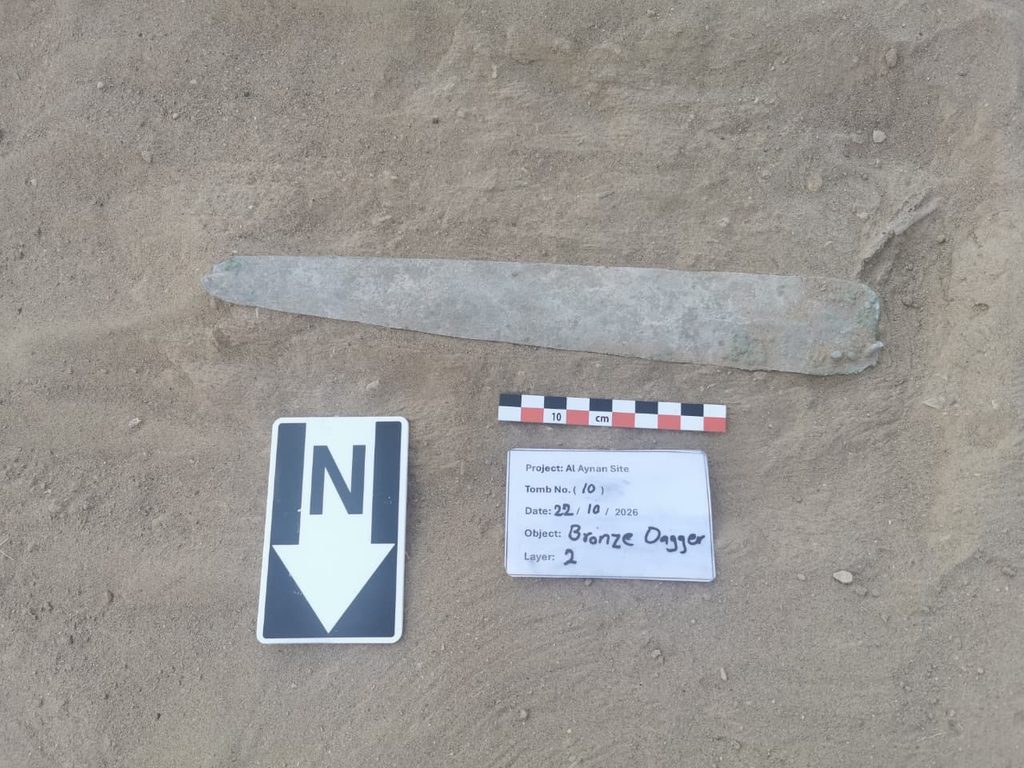
Pottery and human remains were not the only discoveries. Archaeologists also recovered several metal objects, including copper and bronze arrowheads, axes, and daggers. The team found a large collection of beads as well. These objects provide further evidence of the materials and personal possessions that people placed in burials during the third millennium BC.
The weapons and tools may help researchers investigate metalworking and the movement of materials across ancient trade networks. However, the excavation team has not yet published a detailed interpretation of each artifact. The beads also offer another opportunity to study the materials and decorative objects used by communities in ancient Oman.
5000 Year-Old Tombs in Oman Reveal Mesopotamian Connections
The Jemdet Nasr culture takes its name from an archaeological site in southern Mesopotamia, in present-day Iraq. Archaeologists generally date this cultural period to approximately 3100–2900 BC. It is known for distinctive pottery styles and developments in early urban societies. The pottery recovered at Al Aynain has drawn attention because officials associate many of the vessels with this Mesopotamian culture.
Such finds matter because Oman maintained connections with communities across the ancient Near East. Archaeological discoveries in the region have revealed evidence of exchanges involving pottery, metals, and other materials. The new excavation may help researchers understand these connections in greater detail. For now, the exact origins of the individual objects remain under investigation.
Earlier Discoveries Reveal More Ancient Tombs Near Ibri
The Al Aynain discovery adds to a growing body of archaeological evidence from the Ibri region. Earlier investigations around Ibri have uncovered other ancient burial sites and objects linked to Mesopotamia. These discoveries suggest that communities in the region maintained connections with neighboring civilizations during the Bronze Age.
One particularly important source of evidence comes from the wider archaeological landscape around Ibri, where researchers have studied ancient tombs, settlements, and metalworking remains. The region also played an important role in ancient copper production. Mesopotamian records refer to Magan, a land commonly associated with parts of modern Oman and the United Arab Emirates, as a source of copper. The latest excavation provides another opportunity to investigate these early connections.
What the New Discoveries Could Reveal About Ancient Oman
The 5000 year-old tombs in Oman offer researchers several lines of evidence to examine. Human remains can help investigate the people buried there, while pottery and metal objects may reveal cultural connections and burial practices. The association with Jemdet Nasr pottery is particularly important. It places the discoveries within a wider period of contact between communities in southeastern Arabia and Mesopotamia.
However, archaeologists still need to publish detailed findings from the excavation. Further analysis could clarify the age of individual burials, the origins of the pottery, and the role of the metal objects. For now, the discoveries show that the area around Ibri holds important evidence of life and burial traditions in ancient Oman.