Yassıtepe Trade Settlement: İzmir’s 5,000-Year-Old Fortified Hub
On the Bornova Plain in modern İzmir, archaeologists are refining the picture of a roughly 5,000-year-old planned community that excavation director Doç. Dr. Zafer Derin has…

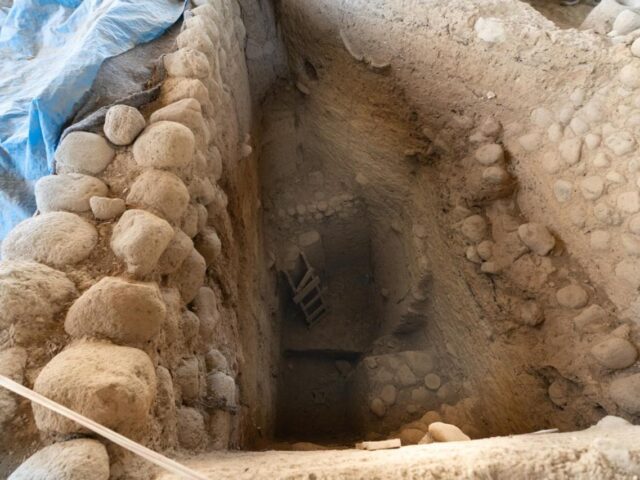
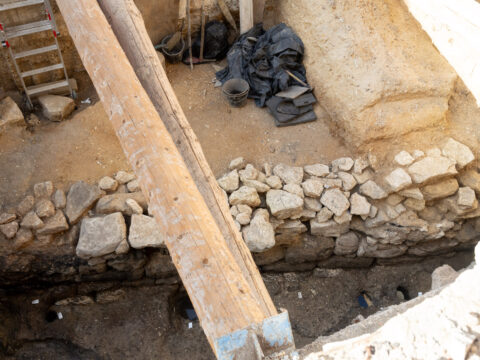
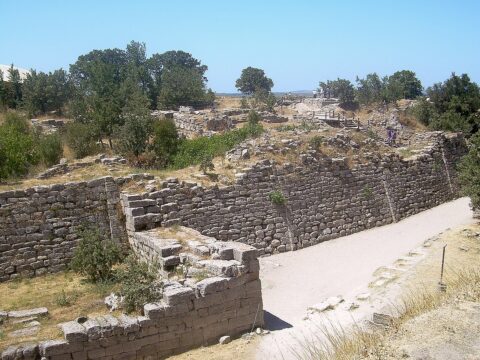
On the Bornova Plain in modern İzmir, archaeologists are refining the picture of a roughly 5,000-year-old planned community that excavation director Doç. Dr. Zafer Derin has nicknamed “İzmir’s Troy.” That phrase is a journalistic shorthand for a walled, organized Early Bronze Age center contemporary with Troy’s earliest phases—not a claim that Homeric Troy stood here. New reporting on the latest fieldwork at Yassıtepe trade settlement, beside Yeşilova Höyük, highlights olive pits from the 2026 season, earlier grape and fig evidence, Mycenaean-linked burials, and two cylinder seals that underscore long-distance exchange.
The digs proceed on behalf of Türkiye’s Culture and Tourism Ministry and Ege University under Derin’s direction, with support from İzmir Metropolitan Municipality. Coverage from Türkiye Today, DHA, Cumhuriyet, and the İzmir Metropolitan Municipality converges on the same outline: temples, storage zones, workshops, and defensive walls arranged in what Derin describes as a fan-shaped urban plan.
Storage, crafts, and a coastal trade web
Large storage jars point to bulk agricultural stockpiling. Teams also report bronze working and carefully made pottery—signals of a more complex economy than a simple farming hamlet. Derin places Yassıtepe inside a network stretching from inland western Anatolia to the Aegean coast and overseas partners. “We are at the point where İzmir’s wealth began,” he has said in recent briefings, framing the mound as an early node of production and commerce rather than an isolated village.
Organic remains thicken that story. Grapes appear in several forms—seeds, dried fruit, and traces interpreted as grape molasses—while some liquid containers are cautiously linked to wine. Figs were already in the site’s agricultural dossier. The 2026 season added olive pits dated to about five millennia ago. Together, olive, grape, and fig place three crops later emblematic of İzmir and the wider Aegean in the same prehistoric settlement narrative. Derin’s aside that Bornova’s later Misket grape tradition might somehow echo this deep past remains speculative and should stay hedged.
Burials, seals, and Aegean contacts
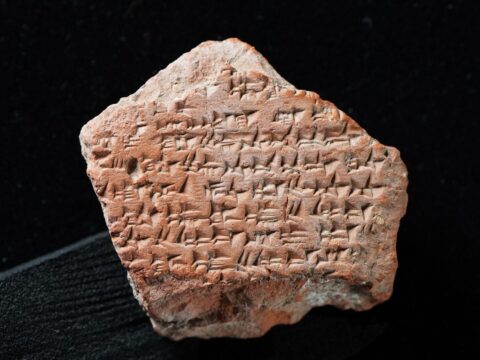
Graves associated with Mycenaean culture reinforce overseas ties. According to Derin, some burials may belong to traders: the dead were placed in large jars rather than cremated, sometimes with vessels that may have held olive oil or wine and with jewelry. One grave documented in the 2026 work contained two cylinder seals—compact administrative objects that, if correctly read as traded or carried status items, fit a commercial reading of the cemetery.
Other jar burials show bodies in a fetal position with food and drink vessels; some jars carry reliefs of a pregnant mother goddess, which researchers connect to rebirth beliefs. Elsewhere, archaeologists flag a possible reception space for a local ruler, dense with drinking vessels and hundreds of containers in nearby structures—hints of hospitality and ranked display. Remains attributed to two or three panthers, plus bears, are likewise read as elite prestige hunting, an interpretation rather than a settled fact.
Earthquake scars and a heritage pair
Yassıtepe was destroyed and rebuilt more than once. A major earthquake assessed around 2800 BCE is treated as a turning point: some walls still show S-shaped deformation from horizontal shaking, and Derin suggests residents may have fled before reclaiming belongings. The team also argues that Yassıtepe and neighboring Yeşilova could be presented together as a major archaeological destination—Derin’s colorful pairing of a “Çatalhöyük” and a “Troy” inside modern İzmir.
For now, the secure takeaway is more measured and still striking: a fortified, planned community on the Bornova Plain organised storage, craft, and exchange roughly five thousand years ago, left olive pits beside older grape and fig evidence, and buried people with objects—including cylinder seals—that speak to Aegean-facing trade. “İzmir’s Troy” is Derin’s nickname for that ambition; the archaeology underneath it is what the ongoing excavations continue to test.