
Tag: archaeology
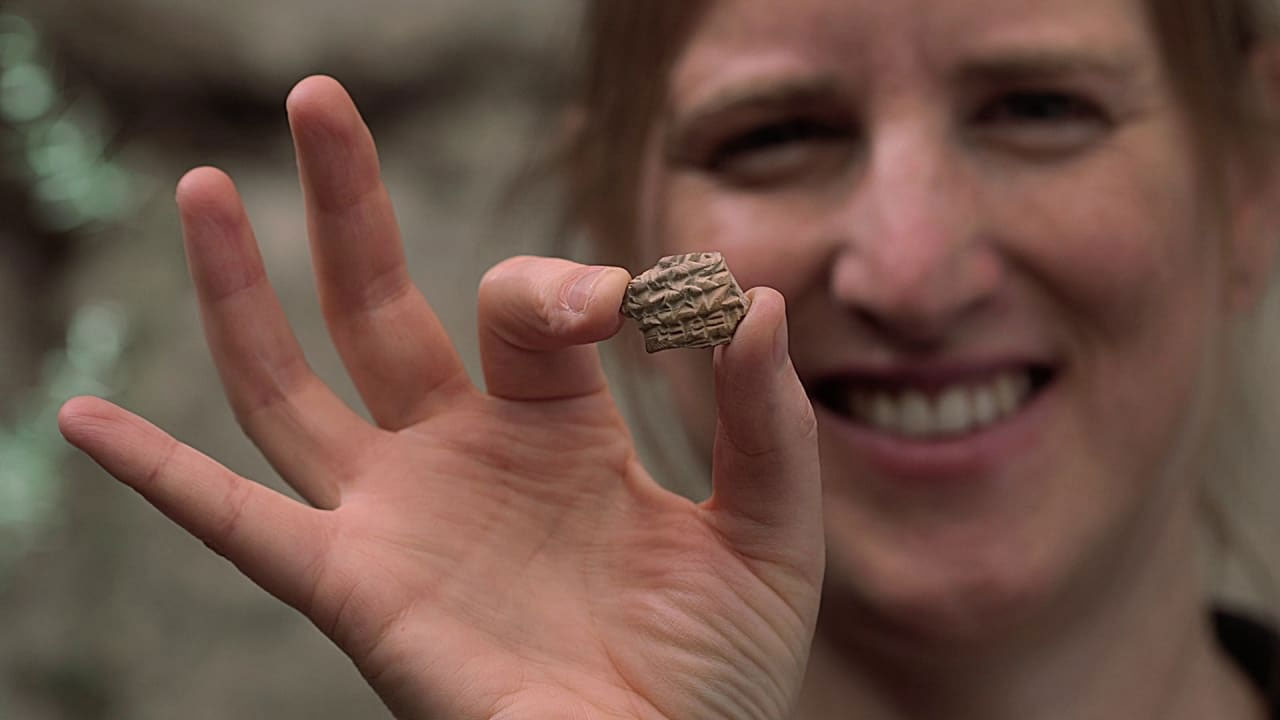
First Assyrian Cuneiform Inscription from First Temple Period Discovered in Jerusalem
A fragment of pottery no bigger than a coin has revealed something Jerusalem has never seen before. The 2.5-centimeter shard bears Akkadian cuneiform script—an Assyrian inscription from roughly 2,700 years ago, marking…
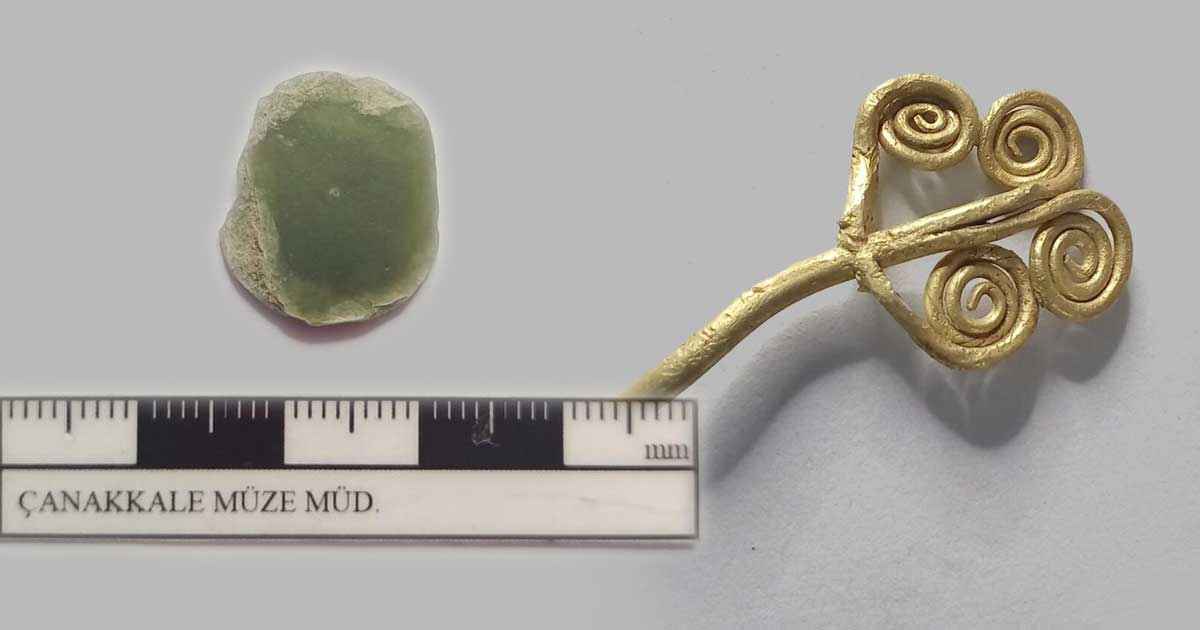
Ancient Gold Brooch and Jade Stone Unearthed at Troy
Archaeologists working at the ancient city of Troy in northwestern Turkey have unearthed a 4,500-year-old gold brooch, a jade stone, and a bronze pin, findings that push the city’s known history several…
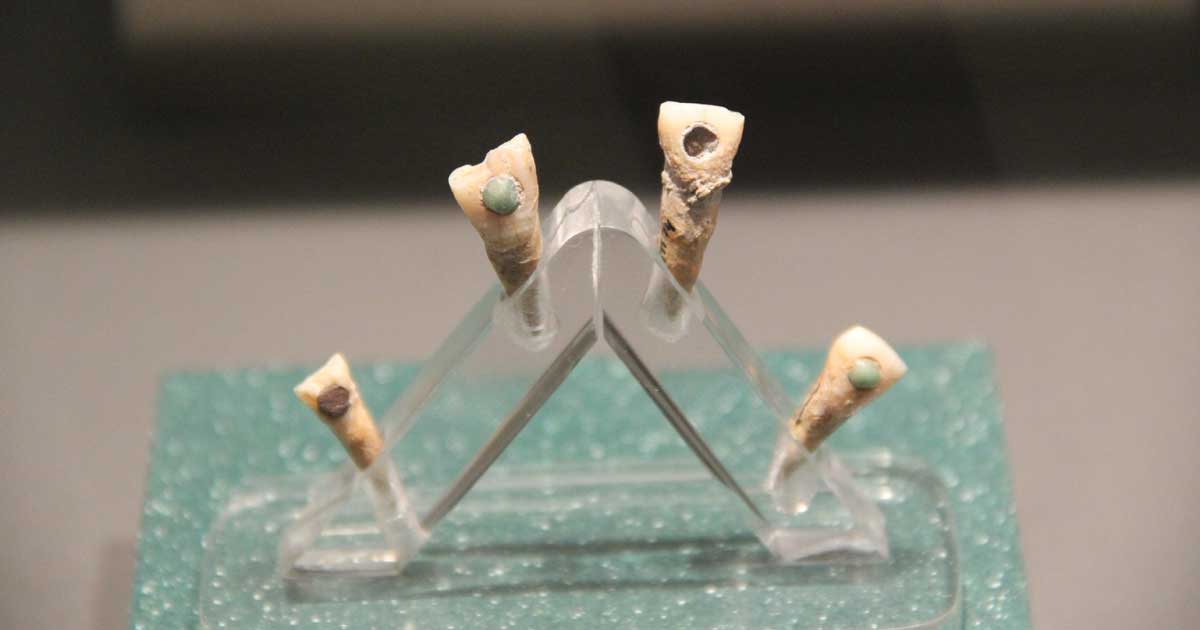
7-Year-Old Maya Child Wore Jade “Tooth Gem” in Ancient Ritual Practice
Maya children as young as seven years old received elaborate jade dental inlays centuries ago, marking what researchers believe was a significant social milestone or coming-of-age ceremony. The discovery challenges previous assumptions…
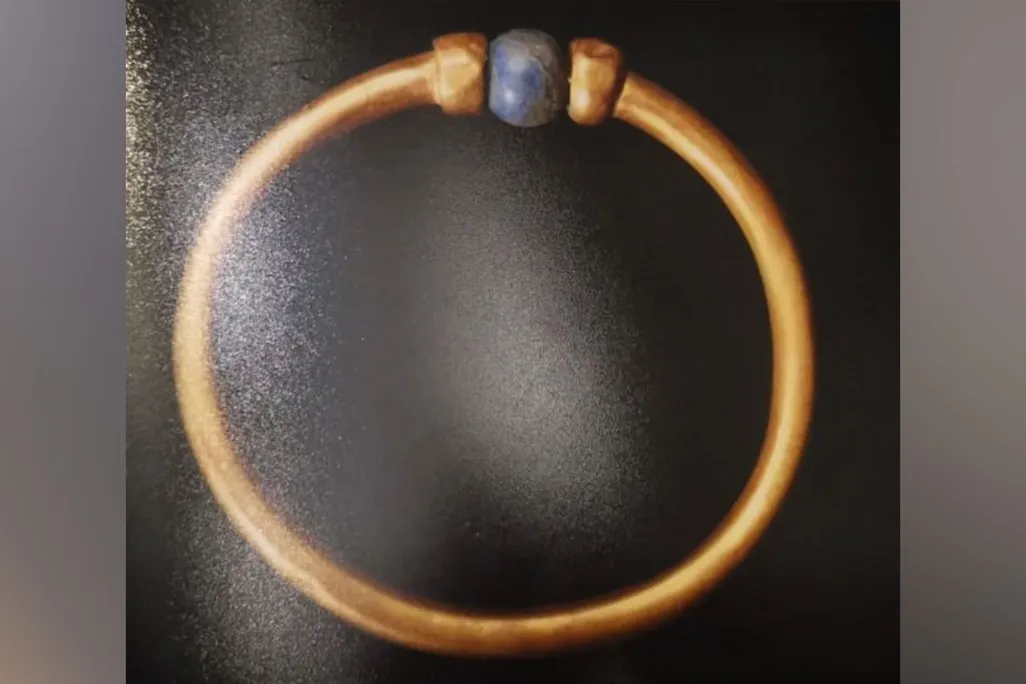
Museum Employee Steals 3,000-Year-Old Egyptian Pharaoh’s Bracelet, Sells for $4,000
A 3,000-year-old gold bracelet belonging to an ancient Egyptian pharaoh has been stolen from Cairo’s Egyptian Museum, sold for less than $4,000, and melted down by a gold smelter. Egyptian authorities have…
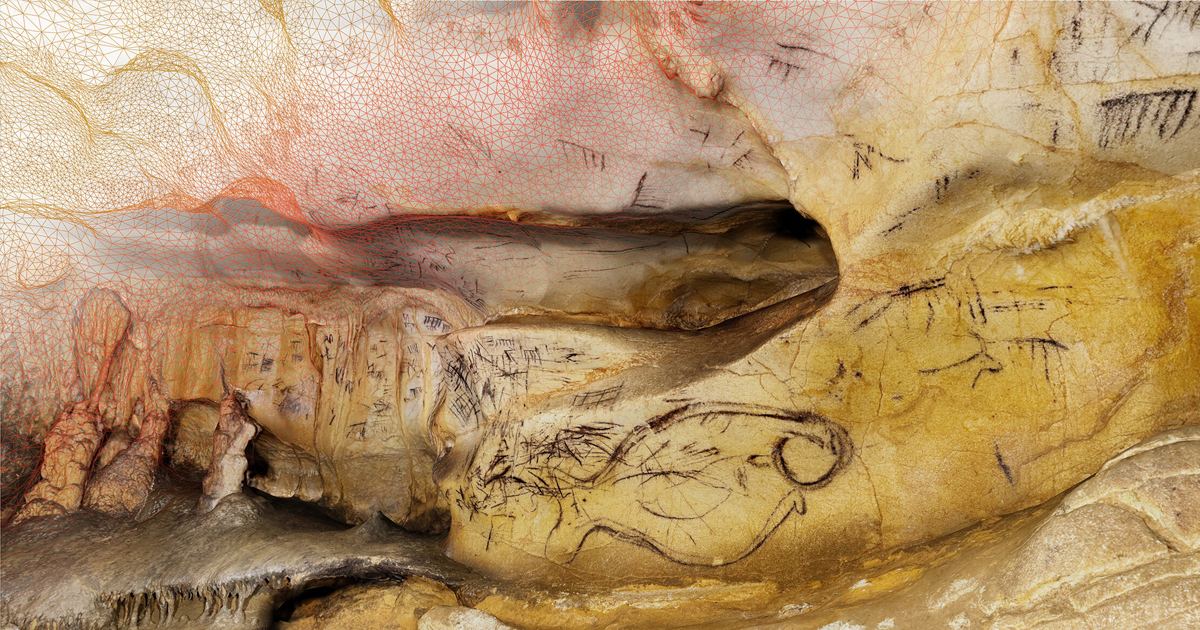
Spanish Researchers Create First Complete 3D Map of Historic La Pileta Cave Using Advanced LiDAR
University of Seville researchers have successfully captured the first comprehensive three-dimensional digital model of La Pileta Cave in Benaoján, Málaga, using cutting-edge LiDAR technology. This breakthrough provides unprecedented documentation of one of…

Thames River Bones Show 4,000 Years of Prehistoric Human Sacrifice
Centuries of bone discoveries from the River Thames now tell a darker story than previously imagined. Recent scientific analysis of hundreds of human remains pulled from Britain’s most famous waterway reveals deliberate…