
Skip to content
  • Home
  • Articles
    • Archaeology & Discoveries
    • Historical Events
    • Artifacts & Treasures
    • Ancient Civilizations
    • Unexplained Phenomena
    • Mythology
  • Subscribe
© Copyright AllThatHistory - 2025
Theme by ThemeinProgress
Proudly powered by WordPress
  • Home
  • Articles
    • Archaeology & Discoveries
    • Historical Events
    • Artifacts & Treasures
    • Ancient Civilizations
    • Unexplained Phenomena
    • Mythology
  • Subscribe
AllThatHistory
  • You are here :
  • Home
  • Archaeology & Discoveries ,
  • Artifacts & Treasures
  • Egyptian Archaeologists Uncover Historic Hieroglyphic Stone Second Only to Rosetta Stone
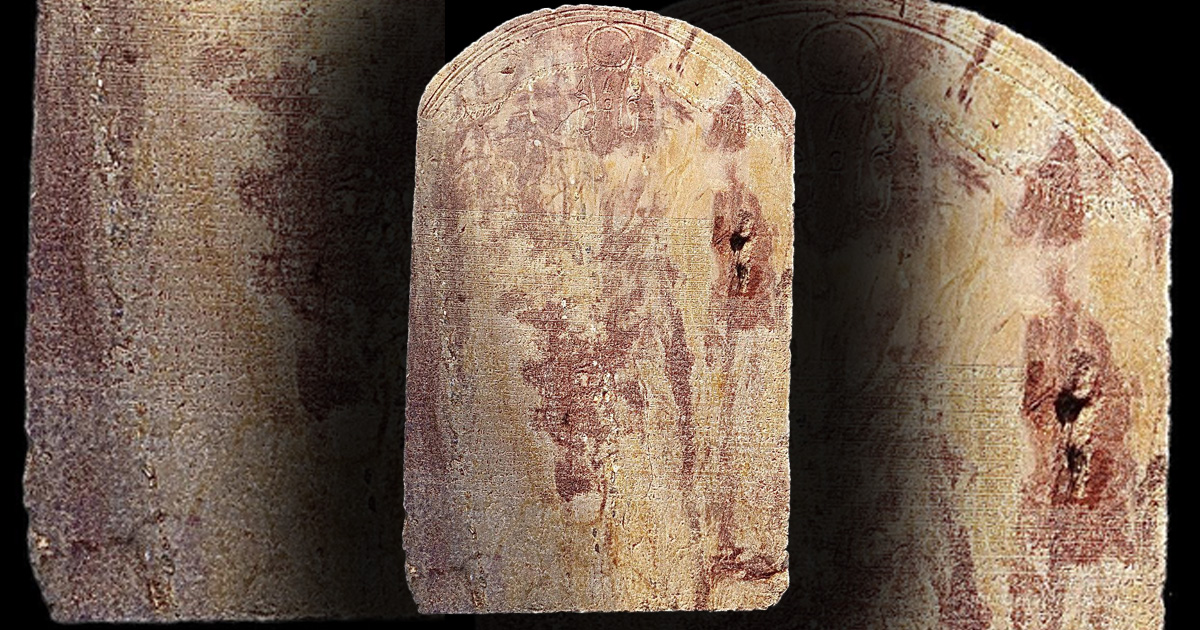
The complete Canopus Decree Stela discovered in Sharqiya
Archaeology & Discoveries . Artifacts & Treasures

Egyptian Archaeologists Uncover Historic Hieroglyphic Stone Second Only to Rosetta Stone

All That History September 11, 2025

Egyptian excavators working in Sharqia Governorate have pulled a massive sandstone tablet from the earth that scholars are calling the most important linguistic discovery in more than a century. The stone bears a complete hieroglyphic version of the Canopus Decree, issued by Pharaoh Ptolemy III in 238 BC.

Standing over four feet tall and weighing several tons, this particular copy differs dramatically from previous finds. While other versions of the Canopus Decree contain text in three languages (hieroglyphs, Demotic, and Greek), this specimen contains only hieroglyphic script. That makes it exceptionally valuable for linguists trying to decode the picture-based writing system of ancient Egypt.

The archaeological team from Egypt’s Supreme Council of Antiquities made the discovery at Tell el-Pharaeen, an excavation site in Husseiniya. The find represents the first complete version discovered in over 150 years, according to ministry officials.

When French soldiers accidentally uncovered the Rosetta Stone in 1799, they launched a revolution in understanding ancient Egyptian civilization. But the Rosetta Stone wasn’t working alone. The Canopus Decree has long been considered its most important companion text.
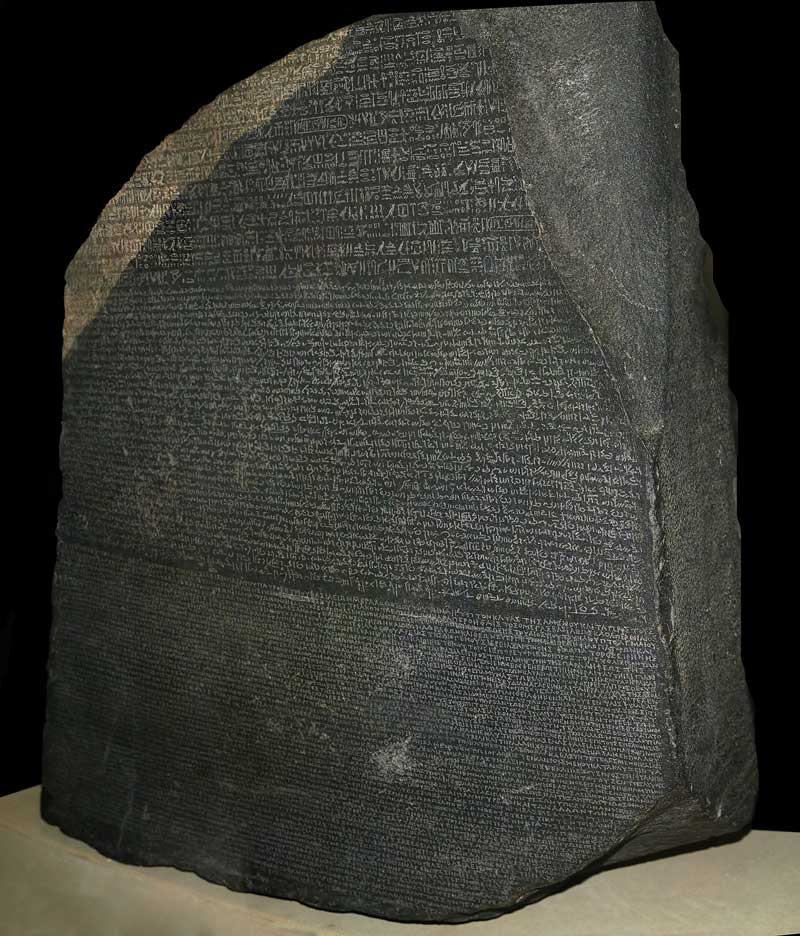
The Rosetta Stone in the British Museum. (CC BY-SA 4.0)
Read moreBezoar Stones, the Universal Antidote: More Than a Mistake?

Six copies of the Canopus Decree have been found over the years, two complete and three fragments. The first two complete versions were unearthed in 1866 at the ancient city of Tanis. Until now, those remained the only intact examples.

Unlike the Rosetta Stone, which helped decode Egyptian writing through parallel translations, this new discovery offers something different. The entirely hieroglyphic text provides researchers with a pure example of the script without needing to cross-reference other languages.

The decree itself tells a story of royal sorrow and administrative efficiency. Ptolemy III’s infant daughter Berenice died in February 238 BC when she was barely a year old. The grieving pharaoh ordered priests throughout Egypt to honor her memory and establish new religious practices.
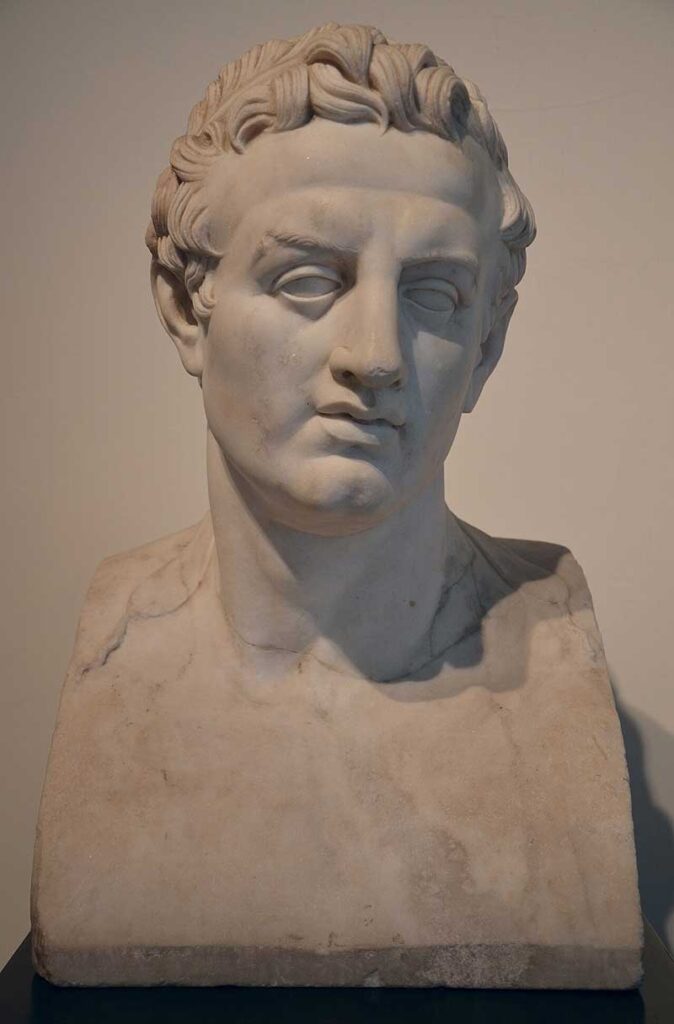
Bust of Ptolemy III Euergetes
Bust of Ptolemy III Euergetes (CC BY-SA 2.0)

The tablet’s surface displays intricate craftsmanship. A winged solar disk crowned with two royal cobras dominates the top section, while thirty lines of hieroglyphic text fill the stone below. The decree describes Ptolemy III and his wife Berenice II as “beneficent gods” and lists their accomplishments.

Read moreThe Baghdad Battery: History Rewritten or History Misunderstood?

According to the hieroglyphic text, the royal couple donated generously to Egyptian temples, maintained peace within the kingdom, and reduced taxes during poor Nile flood years. Most significantly for modern calendars, the decree established the leap-year system by adding one day every four years.

Dr. Mostafa Waziri, Secretary-General of the Supreme Council of Antiquities, emphasized the discovery’s linguistic importance in the ministry’s announcement. The find “enriches our understanding of Ptolemaic royal and religious texts, while also deepening our grasp of ancient Egyptian language”.

Previous Canopus Decree copies included parallel texts in Demotic and Greek, which helped scholars understand individual hieroglyphic symbols. This monolingual version provides researchers with extended hieroglyphic passages that can be analyzed independently, potentially revealing new grammatical structures and vocabulary.
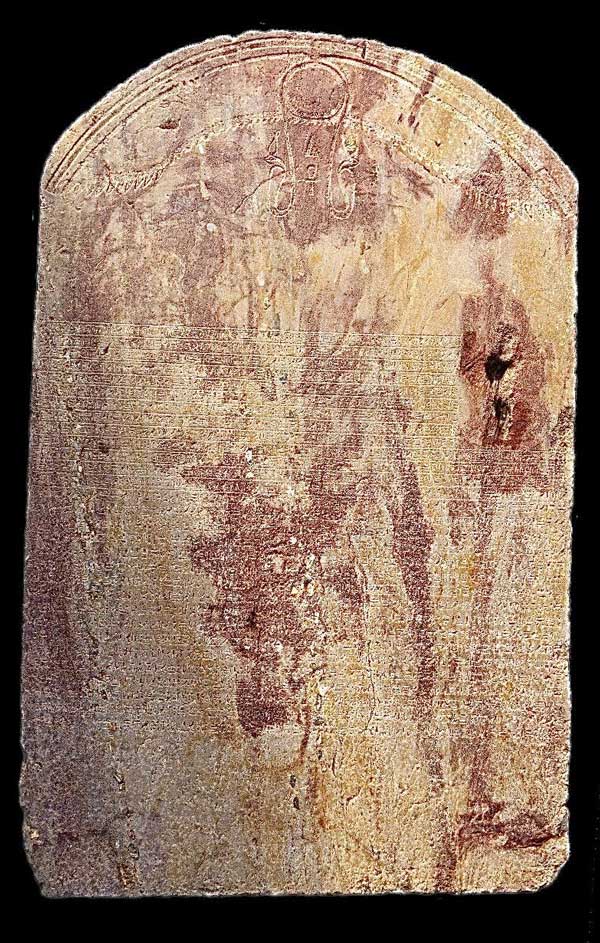
The complete Canopus Decree Stela discovered in Sharqiya (Facebook)
The Canopus Decree Stela discovered in Sharqiya (Facebook)

The decree also contains historical details that archaeologists are still examining. It mentions religious festivals, priestly rankings, and administrative policies that shed light on how the Ptolemaic dynasty governed Egypt during its peak years.

Tell el-Pharaeen sits on the ruins of ancient Imet, once a thriving urban center in the eastern Nile Delta. The Canopus Decree mentions the submerged city of Heracleion, adding another layer of historical significance to the text.

Previous excavations at the site have uncovered temples, residential buildings, and artifacts dedicated to the goddess Wadjet. The location sits about 120 miles northeast of Cairo, near Egypt’s northern coastline.

The discovery team continues working at Tell el-Pharaeen, hoping to uncover additional artifacts from the Ptolemaic period. Given the importance of this find, archaeologists expect increased international attention on the site.

Ministry officials have not yet announced plans for displaying the newly discovered tablet, though it will likely join other significant archaeological finds in Egyptian museums. The stone’s size and condition make it suitable for public exhibition once conservation work is completed.

Top image: The complete Canopus Decree Stela discovered in Sharqiya (Facebook)

You may also like

Ancient Rock Carvings Uncovered in Ecuador Point to Shared Amazonian Cultural Traditions

Stolen Hercules Fresco Finds Its Home After Decades in U.S. Collection

Ancient Rock Art in Texas-Mexico Borderlands Endured 4,000 Years

Were Wolves Kept and Nursed by Ancient Seal Hunters?

Ancient Peruvians Survived Climate Catastrophe Through Adaptation, Not War

Peru’s Mysterious “Band of Holes” May Have Been Ancient Marketplace and Accounting System

Written by All That History

Tags: ancient egypt archaeology, canopus decree discovery, egyptian excavation 2024, hieroglyphic inscriptions, ptolemy iii artifacts, tell el-pharaeen

Leave a Reply Cancel reply

Your email address will not be published. Required fields are marked *

  • Ancient Rock Carvings Uncovered in Ecuador Point to Shared Amazonian Cultural Traditions
    Archaeologists have identified a panel containing approximately 30 ancient rock carvings in Santiago de Méndez canton, Morona Santiago province, marking
  • Stolen Hercules Fresco Finds Its Home After Decades in U.S. Collection
    Archaeologists at Pompeii have identified the original location of a looted fresco fragment depicting the infant Hercules strangling serpents, solving
  • Maya Medical Systems Used Living Organisms as Precision Surgical Tools
    Maya medical systems deployed living organisms as precision surgical tools centuries before germ theory existed. Recent archaeological evidence shows these
  • Ancient Rock Art in Texas-Mexico Borderlands Endured 4,000 Years
    Hunter-gatherers in what is now southwestern Texas and northern Mexico created rock art for more than 4,000 years, maintaining consistent
  • The Thermal Engineering Behind Tiwanaku’s Agricultural Success
    At nearly 3,850 meters above sea level, frost arrives almost nightly on Bolivia’s Altiplano. Modern visitors struggle to breathe. Yet
The Gnostic Gospels
Encounters at the Heart of the World: A History of the Mandan People
Substack Articles

Latest from AllThatHistory Weekly

The Underwater Port That Could Finally Solve the Mystery of Cleopatra’s Tomb

The Underwater Port That Could Finally Solve the Mystery of Cleopatra’s Tomb

Forty feet beneath the Mediterranean Sea, divers found stone columns rising more than 20 feet from the seafloor.

Read More →
The 60,000-Year Chemistry Lab: What Poison Arrows Tell Us About Stone Age Intelligence

The 60,000-Year Chemistry Lab: What Poison Arrows Tell Us About Stone Age Intelligence

Five quartz arrowheads sat in a museum collection for 39 years.

Read More →
This Week in Archaeology: From 60,000-Year-Old Poison Arrows to Iron Age War Trumpets

This Week in Archaeology: From 60,000-Year-Old Poison Arrows to Iron Age War Trumpets

This month genuinely surprised me.

Read More →
Why Prisons Rarely Existed in the Ancient World

Why Prisons Rarely Existed in the Ancient World

What archaeology reveals about punishment before prisons existed

Read More →
Why the “Mad Artistic Genius” Myth Doesn’t Hold Up to Science

Why the “Mad Artistic Genius” Myth Doesn’t Hold Up to Science

By Daisy Fancourt

Read More →
Charlie Chaplin: The Man Who Inspired Mickey Mouse

Charlie Chaplin: The Man Who Inspired Mickey Mouse

Walt Disney and cartoonist Ub Iwerks introduced Mickey Mouse to the world through the animated short Steamboat Willie in 1928.

Read More →
❮
❯

Subscribe to receive our newest archaeology articles, long-form investigations, and historical insights directly in your inbox.

© Copyright AllThatHistory - 2025