

Maya medical systems deployed living organisms as precision surgical tools centuries before germ theory existed. Recent archaeological evidence shows these practitioners selected leeches, maggots, and even human hair not for symbolic value but for their measurable biological properties. This wasn’t primitive healing dressed in ritual. It was controlled ecological manipulation. Colonial Spanish accounts dismissed Maya
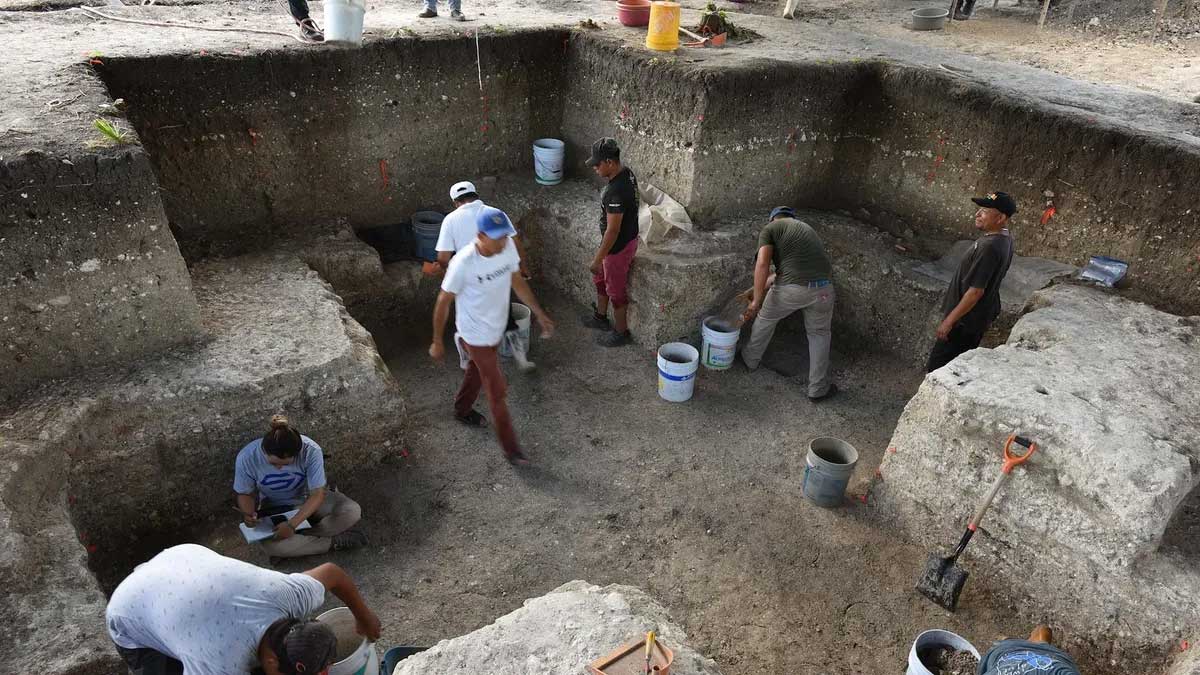
A 3,000-year-old Maya complex in southeastern Mexico functioned as a city-sized map of the cosmos, new research reveals. Aguada Fénix, the oldest and largest monumental architecture in the Maya region, was designed as a cosmogram representing how its builders conceived universal order and the passage of time. The artificial plateau with connecting causeways, canals and
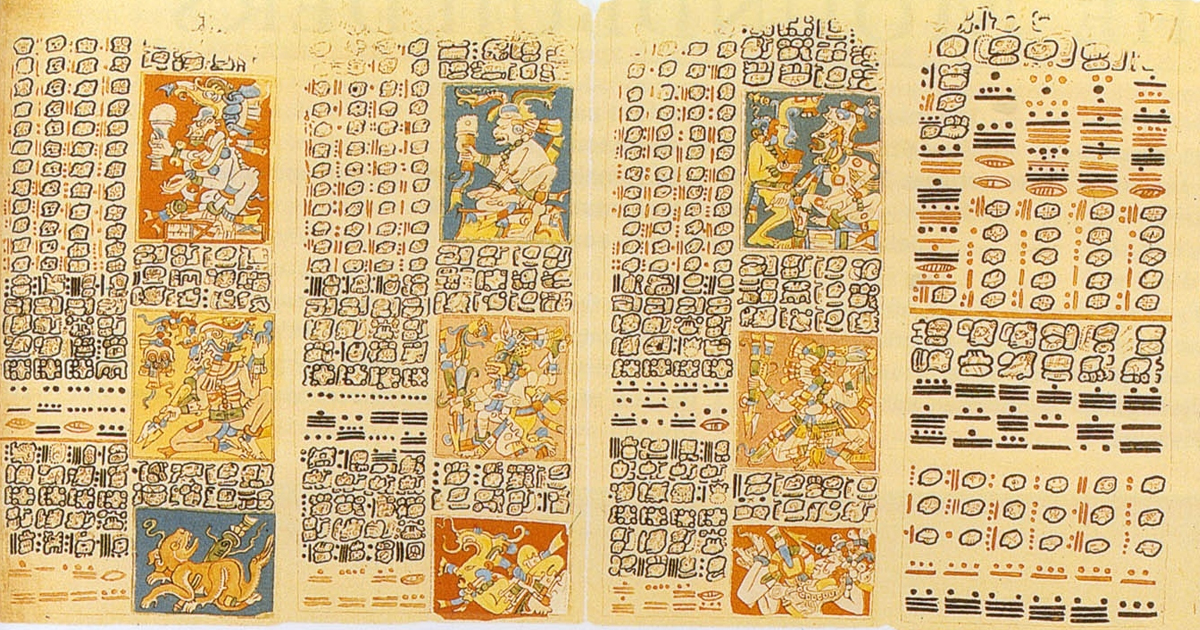
New research has decoded how Maya astronomers forecasted solar eclipses with remarkable precision more than a millennium ago, revealing a self-correcting system that maintained accuracy across multiple generations. The study, published in Science Advances by John Justeson from the University at Albany and Justin Lowry from SUNY, analyzes the eclipse table in the Dresden Codex,
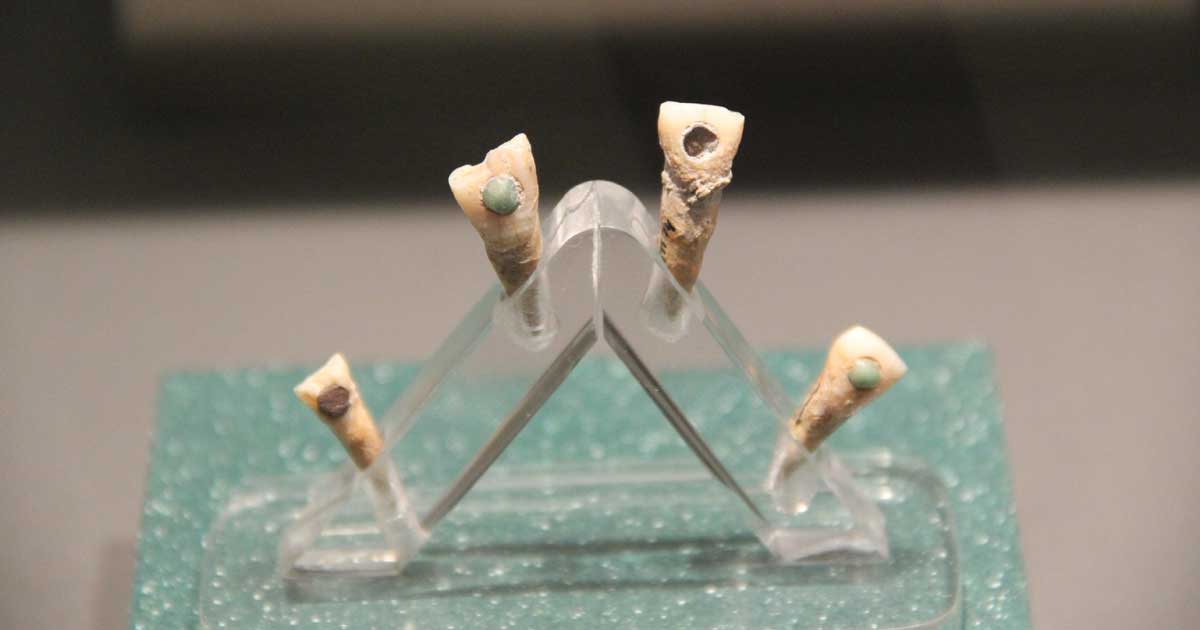
Maya children as young as seven years old received elaborate jade dental inlays centuries ago, marking what researchers believe was a significant social milestone or coming-of-age ceremony. The discovery challenges previous assumptions about when these ornamental dental modifications began in Maya society. Archaeologists have long documented tooth inlays among adult Maya populations, but new research

Mexico’s Yucatan peninsula is famed for its Mayan ruins, great cities and carved pyramids which, along with the famous sites in Guatemala, formed the heartlands of this lost civilization. You may be forgiven for thinking that everything of import has been found, but it seems you would be very wrong indeed. A new study of