Kadesh Peace Treaty Fragment Found at Hattusa Covers Fugitives
Researchers working at Hattusa, the Hittite capital near Boğazkale in Çorum province, central Türkiye, have identified a newly recovered clay piece as a Kadesh peace treaty…

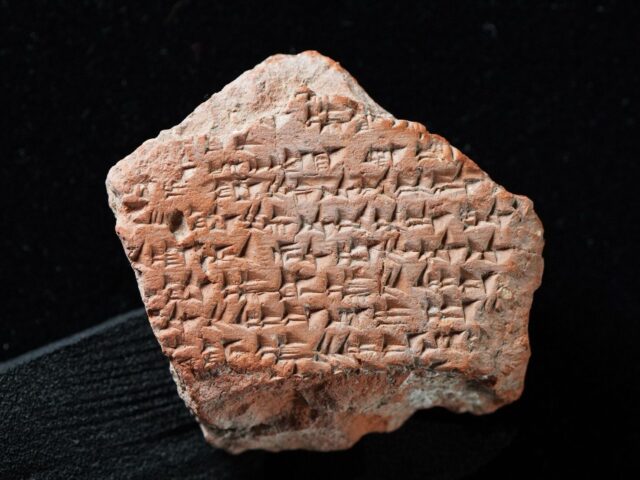
Researchers working at Hattusa, the Hittite capital near Boğazkale in Çorum province, central Türkiye, have identified a newly recovered clay piece as a Kadesh peace treaty fragment—an Akkadian cuneiform copy of the 13th-century BCE agreement between Hittite king Hattusili III and Egyptian pharaoh Ramesses II. Türkiye’s Culture and Tourism Minister Mehmet Nuri Ersoy announced the identification around the International Day of Peace in late September 2026, according to Anadolu Agency and Türkiye Today.
What the Kadesh peace treaty fragment preserves
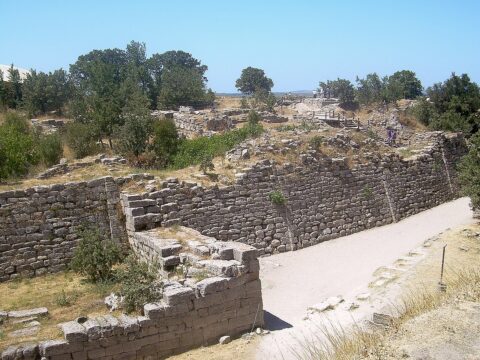
The tablet was found near Building E in the Büyükkale citadel area. Only one face survives. Ministry briefings say researchers spent about a year examining the incomplete text before linking it to provisions covered in Articles 12–20 of the treaty—clauses that deal with people who fled the lands of Egypt or Hatti and sought refuge in the other kingdom, including how those fugitives were to be treated or returned, and wording tied to protecting homes from destruction. The surviving lines are fragmentary; a full scholarly transcription of the new piece has not yet been released in the announcement coverage.
Archaeology.wiki reports that current excavations at Hattusa are directed by Prof. Dr. Andreas Schachner of the Istanbul branch of the German Archaeological Institute. The find sits in the long documentary record of Büyükkale rather than in a vacuum: Akkadian clay copies of the same peace agreement were first recovered at the site during excavations between 1906 and 1912, while Egyptian versions were carved in hieroglyphs on temple walls. Earlier tablet fragments are held today in the Istanbul Archaeology Museums, the Museum of Anatolian Civilizations in Ankara, Berlin’s Vorderasiatisches Museum, and the State Hermitage Museum in St. Petersburg.
Fugitives, homes, and a 13th-century BCE peace
The Kadesh Peace Treaty is widely associated with the end of a long rivalry between Egypt and Hatti after the Battle of Kadesh in the 13th century BCE. Beyond mutual peace and assistance, its fugitive clauses set reciprocal diplomatic obligations for people who crossed from one power to the other. As Arkeonews notes, those rules belong to interstate negotiation of the Late Bronze Age—they should not be read as modern asylum or refugee law—yet the new fragment’s readable references to flight between Egypt and Hatti, and to homes spared from destruction, sharpen that human side of the treaty archive.
Ersoy framed the identification as evidence of Anatolia’s deep place in the history of peace and diplomacy, tying the announcement to the International Day of Peace. Whatever the calendar phrasing in individual wires, the ministry message is consistent: scientific study has placed the Büyükkale piece among the Hattusa copies of the treaty concluded by Hattusili III and Ramesses II, and the surviving text speaks to people on the move and to the protection of their dwellings.
Hattusa, a UNESCO World Heritage Site since 1986, continues to yield cuneiform archives that map Hittite politics, religion, and administration. The newly identified fragment is expected to help reconstruct more of the Akkadian clay copies known from the capital. Excavations at Büyükkale are ongoing, with the team hoping further missing pieces of the treaty may still lie in the citadel’s soil—one more line, perhaps, in a peace text begun more than three millennia ago.