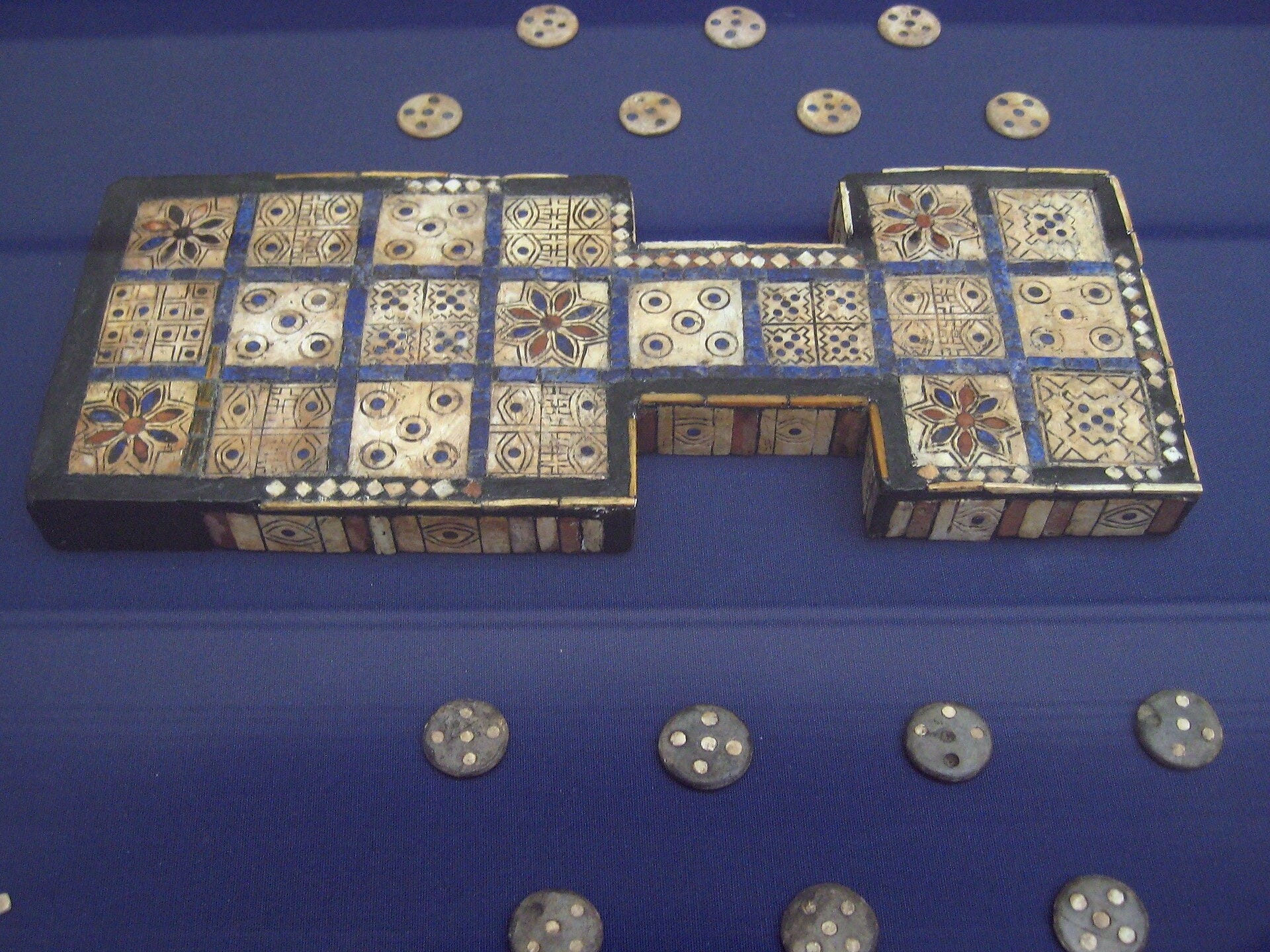
The Ancient Board Game That Predates Chess by 2,000 Years
In 1926, Leonard Woolley was excavating the Royal Cemetery of Ur in what is now southern Iraq when his team uncovered something that had no obvious parallel in the ancient world.
Read the full post →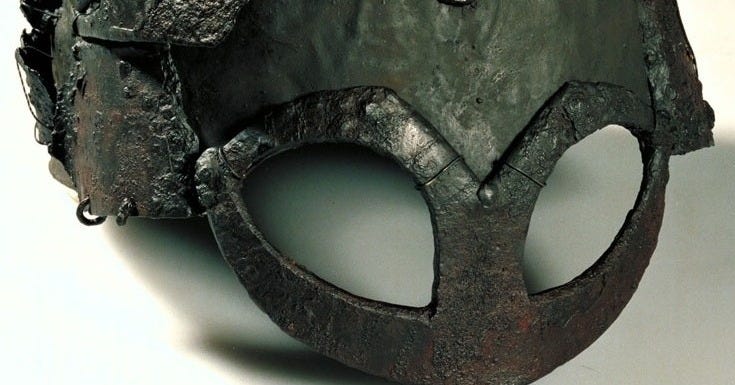
The Viking Myth: How 19th Century Romantics Invented the Horned Helmet
No Viking warrior ever wore a horned helmet in battle — the image was invented by a Swedish illustrator in 1820.
Read on Substack →
The Plague of Justinian: The Pandemic That Ended the Ancient World
In 541 CE, bubonic plague arrived at an Egyptian port and spread across the known world, ending an empire's ambitions.
Read on Substack →
Saudi Arabia's Hegra: The Ancient City That Outlasted Every Conqueror
Petra's twin city survived two thousand years almost untouched, and not just because it was remote.
Read on Substack →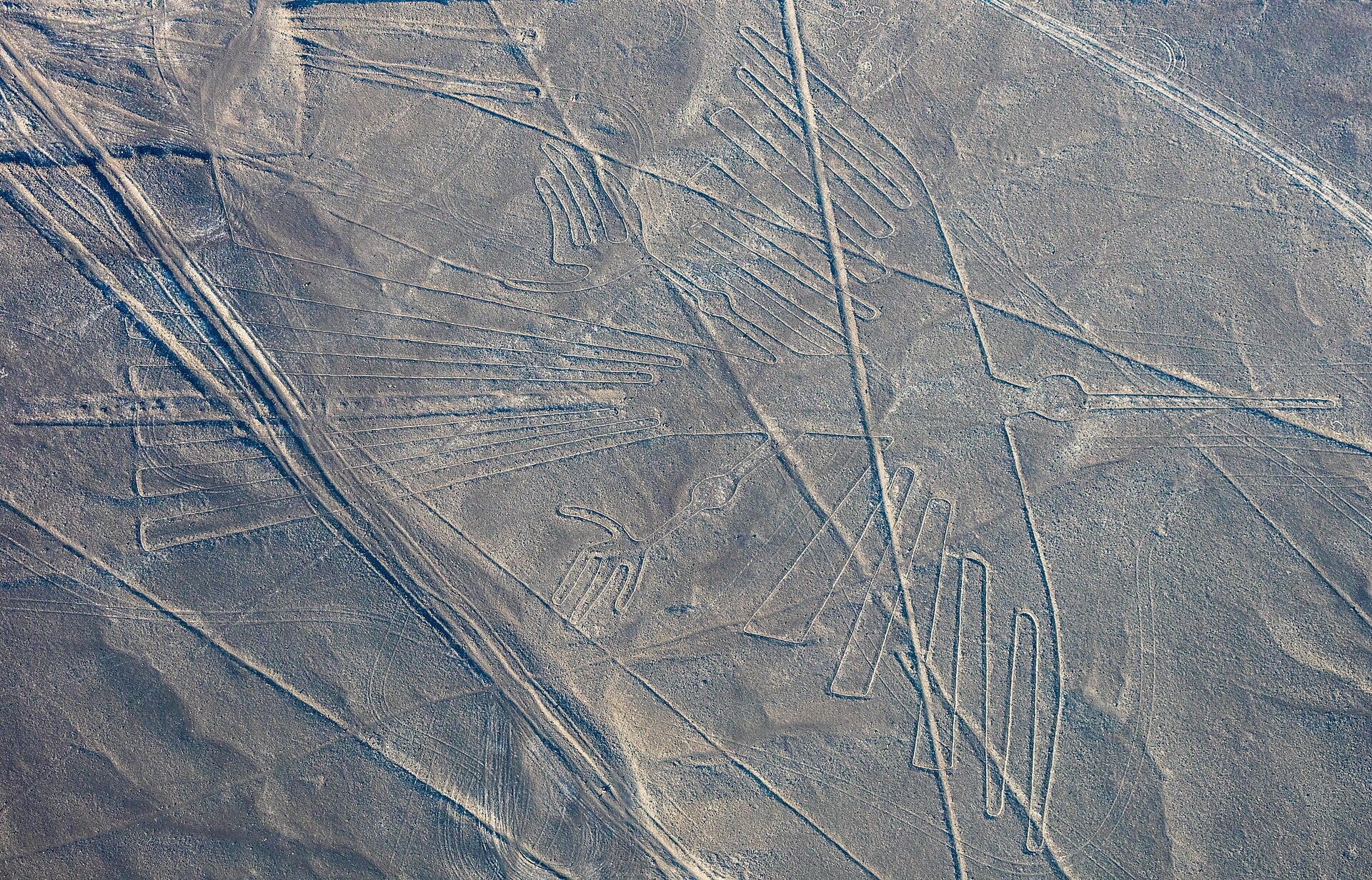
What Are the Nazca Lines and Why Were They Made?
Etched into the desert of southern Peru, the lines cover 450 square kilometers of geometric shapes and animal figures.
Read on Substack →Never miss a post.
Subscribe free on Substack — three new stories a week, including one deeply researched feature, straight to your inbox.
The Archive
Years of history & archaeology reporting, organized by category.


Around the World, This Week
More at Archaeology Magazine →Two ivory bird figurines, each less than an inch long, have turned up in a German cave — a rare glimpse of miniature art from 40,000 years ago.
Latin Graffiti Recorded in Underground CaveAround 120 Latin inscriptions have been documented inside a Spanish cave once used as a Roman-era shrine, many invoking a mysterious goddess known only as “the Lady.”
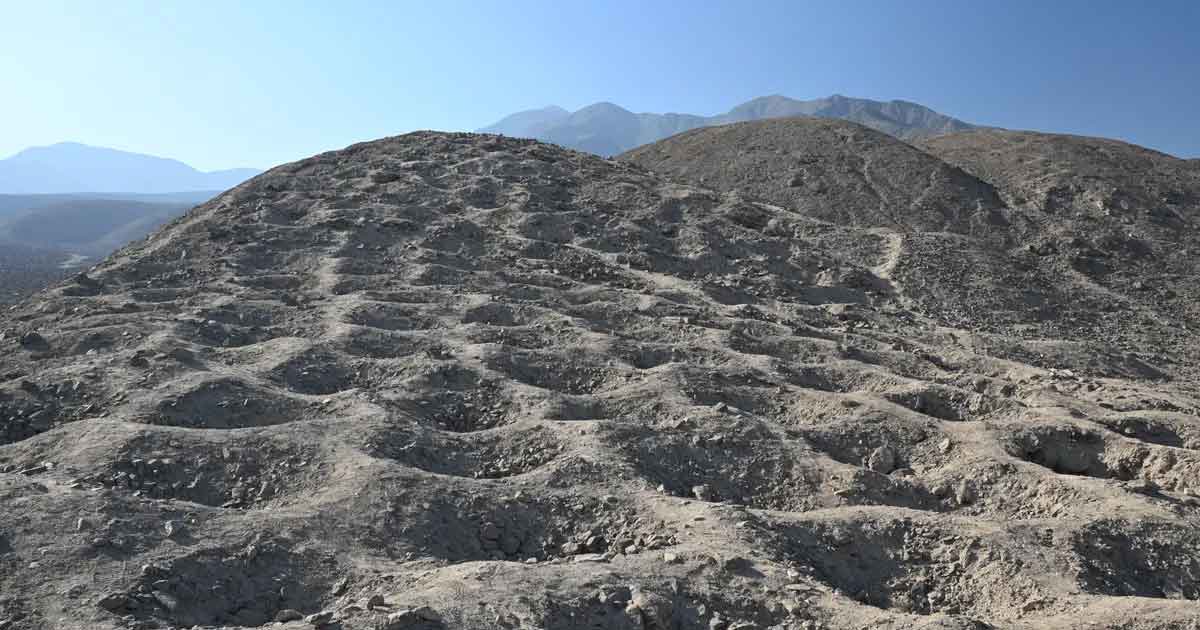
Hundreds of Geoglyphs Discovered in Amazon RainforestA lidar survey spanning 1,700 square miles of Brazilian rainforest has turned up nearly 400 earthworks built by a large, multicultural society over a thousand years ago.
High-Tech Tools Reveal Early Maya Calendrical WritingA digitally reconstructed mural at Calakmul pairs a mythic hero twin with an early ritual-calendar date, pushing back the timeline for Maya calendrical writing.