
WARNING: This article contains strong vulgarity and unbiased facts. We strongly advise to either turn away if you’re sensitive, or to enjoy with amusement if you don’t mind. For those who don’t mind, we bid you welcome. Please sit back, relax and keep reading:
On June 24 2025, as Donald J. Trump, current President of the USA, prepared to board Marine One, he paused before a crowd of excited reporters. And thus he spoke, “We basically have two countries that have been fighting so long and so hard that they don’t know what the f*ck they’re doing.”
You heard him, alright…this unexpected profanity burst through the usual political polish; going viral throughout social media in an instant. Some people condemned Trump’s profanity as unbecoming of the Oval Office, while many others hailed Trump’s attitude as refreshing and honest. Either way, Trump’s candid use of the F-Bomb sparked a rising question: Has a president ever sworn (the vulgar kind) in public before—and was Trump truly the first?
A Playful Take: Why the F-Bomb Feels So Impactful
There’s something about an unscripted curse that grabs our immediate attention. Imagine Lincoln delivering the Gettysburg Address… and then blurting “sh*t” on “the fields of… uh, you know.”
That kind of incongruity jolts us out of reverence and into raw uncensored humanity. Trump’s F-bomb carries that very same jolt. It feels like overhearing an office boss gripe about a broken computer rather than hearing a scripted defense policy. When leaders drop the veil of formal diction, we glimpse into their unvarnished selves—raw emotions, frustration, and all their true colors.
By leaning on a four-letter word, presidents risk criticism for crude language, but they also court a sense of authenticity. In this current age of highly controlled media and sophisticated mannerisms, a live slip-up becomes a magnetic moment—and spreads even faster than any other talking point.
Trump’s F-Word in Context
For clarity’s sake, Trump’s earlier quoted remark was about Israel and Iran’s extended conflict. To be even more specific, Trump was rather pissed off at the Israeli government at the time for provoking further conflict with Iran right after an already agreed ceasefire. He thrust the “f*ck” into an unscripted sound bite, saying: > “We basically have two countries that have been fighting so long and so hard that they don’t know what the f*ck they’re doing.”
The incident highlighted several trends:
- Off-the-cuff presidential rhetoric. Trump often shunned teleprompters, favoring stream-of-consciousness remarks that blurred news cycles.
- The viral presidency. In the digital era, every slip and gaffe cuts through traditional media filters.
- Authenticity vs. decorum. Supporters saw heartfelt honesty; critics saw abrasiveness unbefitting a world leader; people outside the USA saw it as marvelous amusement.
Yet even this ostentatious moment wasn’t unprecedented. American presidents have long peppered speeches, interviews and private conversations with imperious oaths and salty expletives—revealing that blunt language and high office have coexisted since the republic’s early days.
Profanity & Presidents: A Brief Overview
Before diving into individual examples, it helps to understand why US presidents curse at all. Profanity can:
- Release tension. The White House, like any stressful workplace, generates moments of massive frustration. A well-placed “damn” or “son of a bitch” can puncture stress.
- Signal authenticity. In private or off-guard settings, a slip-up humanizes a president—showing they’re not mere automatons (or aliens).
- Display command. A forceful expletive can underscore anger or decisiveness, projecting strength to aides and adversaries alike.
Across eras, presidents have balanced the risk of offending decorum against the communicative power of a well-thrown F-Bomb. Here are some notable examples of presidents beyond just Trump who have used profanity during, before, and after their times in office.
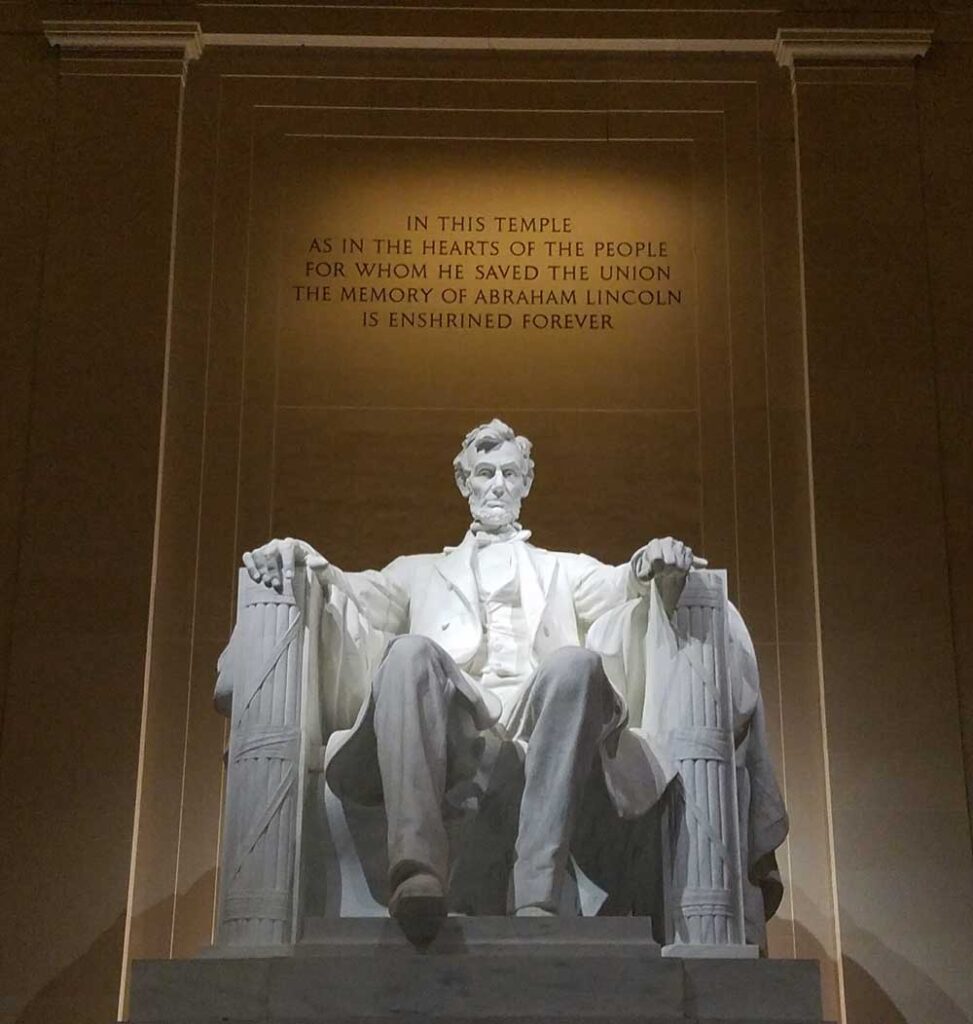
The 19th Century: Lincoln’s Fiery D-Word Profanity
Abraham Lincoln was renowned for his sharp tongue and coarse sense of humor. Nonetheless, he took the effort to avoid using curse words in public during formal speeches, and it was also known that Lincoln would not tolerate profanity during meetings. However, anecdotes show that Lincoln would react with outbursts of furious profanity when under severe stress. Lincoln would label political opponents as “damned rascals” and would use the word “damn” with great furor when confronted by conflict or when his patience was tested. His passionate usage of the word “damn” would even make Lincoln himself feel uneasy once he regained his calm.
After excoriating a politician with the d-word for instance, he once stated with personal shock, “God knows I do not know when I have sworn before.”
Mid-Century Tirades: Truman and LBJ
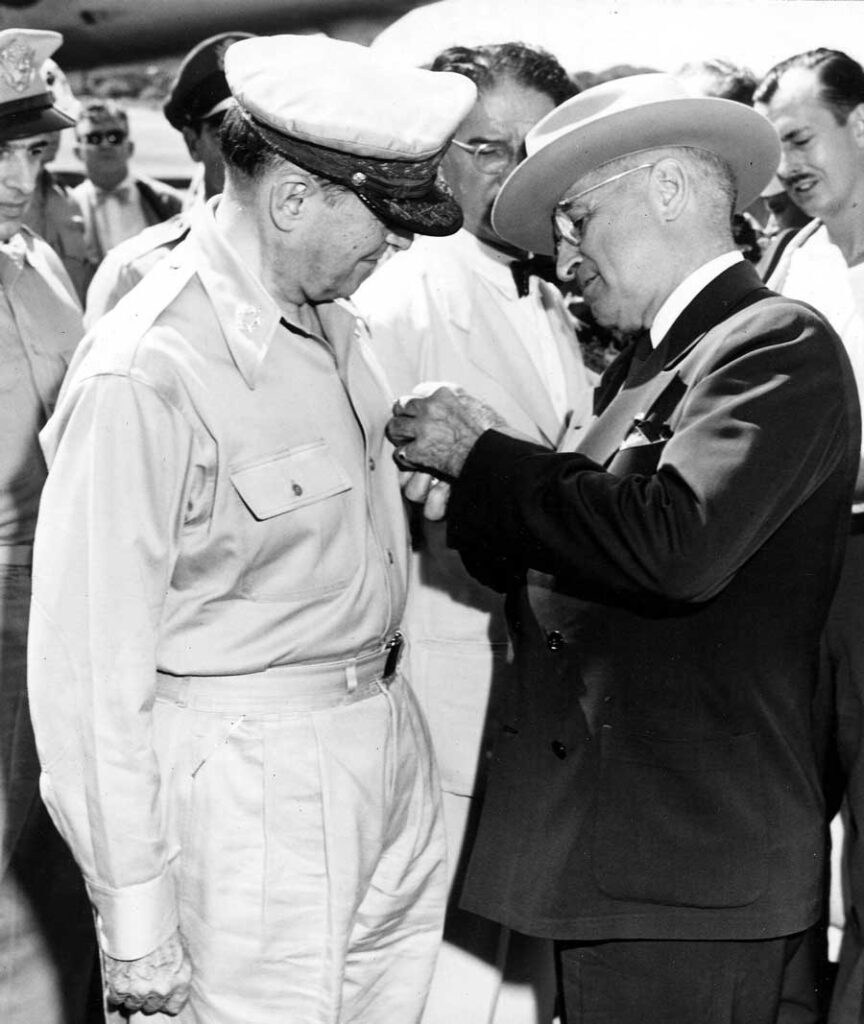
Harry S. Truman: “Dumb Son of a Bitch”
In April 1951, President Harry S. Truman dismissed General Douglas MacArthur after MacArthur openly challenged White House policy on the Korean War. In interviews conducted and later published in the American writer Merle Miller’s 1973 biography Plain Speaking: An Oral Biography of Harry S. Truman, the president deadpanned under his breath:
“I fired him because he wouldn’t respect the authority of the President. I didn’t fire him because he was a dumb son of a bitch, although he was, but that’s not against the law for generals. If it was, half to three-quarters of them would be in jail.”
That muted, off-the-record barb perfectly captures Truman’s blunt, no-bullsh*t style—yet they also revealed the toll of global crises on a president who preferred plain‐spoken candor to diplomatic euphemisms.
Lyndon B. Johnson: From “Piss” to Peril
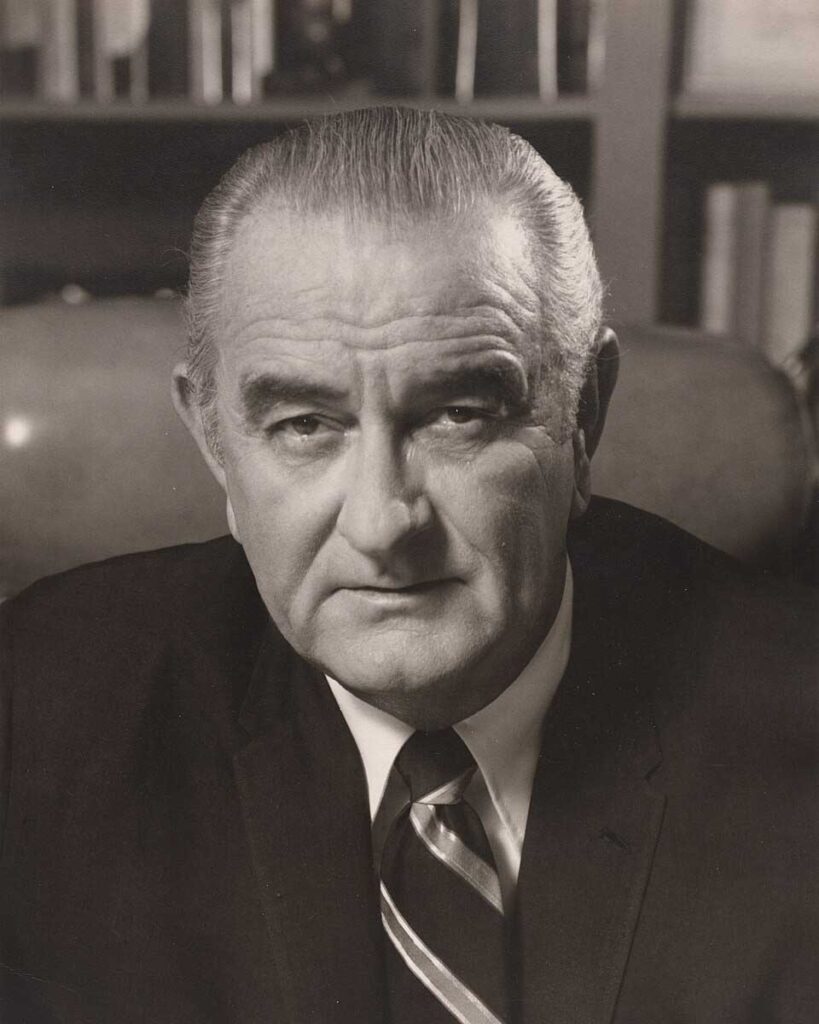
In early April 1965, shortly after Canadian Prime Minister Lester B. Pearson publicly denounced the US bombing of North Vietnam at a Philadelphia lecture, President Johnson invited him to Camp David for a private day‐long meeting. According to multiple firsthand recollections, LBJ greeted Pearson with unfiltered fury—shoving him back against a porch railing, gripping his lapels, and snapping, “Don’t come into my living room and piss on my rug!” Though no official record of that exchange survives, everyone agrees Johnson’s outburst reflected his intense pride in US policy. When they emerged the next morning for their joint press briefing, Pearson offered only measured remarks and, mindful of diplomatic decorum, refrained from repeating his earlier criticism.
LBJ and the FBI Director at the time, J. Edgar Hoover, often clashed over the Bureau’s reach and Hoover’s secretive style. Still, Johnson decided it was wiser to retain Hoover than risk him turning against the administration—hence his oft-quoted line, “Better to have him inside the tent pissing out than outside the tent pissing in.” This blunt metaphor perfectly captures the cautious treatment that defined their uneasy alliance.
Lyndon B. Johnson used his style of profanity to intimidate aides and foreign leaders alike. His swearing blended political theater with blunt negotiation tactics, underscoring his belief that colorful language could convey meaning faster than measured prose.
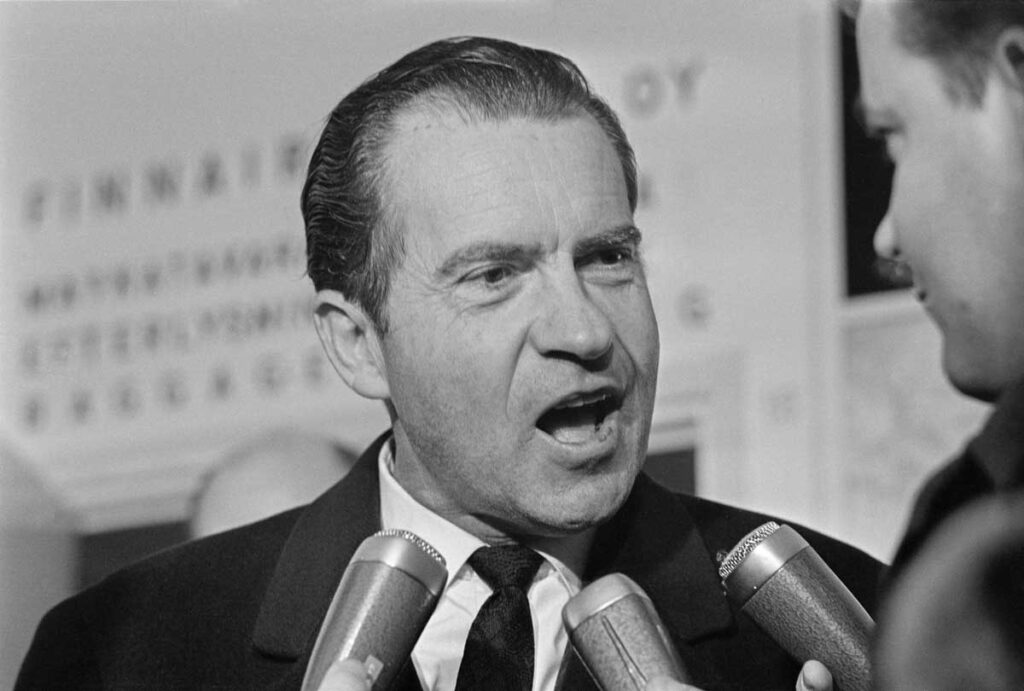
Watergate and Beyond: Nixon’s Tapes
In the early 1970s, President Nixon secretly installed voice-activated recorders in the Oval Office. By the time Congress subpoenaed the tapes in 1974, they had captured over 3,700 hours of private conversations. Nixon’s goal was twofold: to have an unfiltered record of every policy debate and to secure a detailed archive for his own legacy.
When the transcripts finally appeared, Nixon was stunned by how often he and his closest aides swore—regular “goddamns” and frequent calls of “sons of bitches.” To protect his reputation, every profanity in the public documents was simply replaced with “[EXPLETIVE DELETED].” Scholars believe that hidden beneath those redactions are racial and ethnic slurs, though the exact words remain sealed.
These tapes confirmed that Nixon’s public geniality masked a private vocabulary laced with epithets and curses. After the tapes surfaced, scholars noted that even presidents with polished public personas often fell back on raw language behind closed doors. It shows that Nixon’s private vocabulary offers a window into the emotional intensity and distrust that shaped the final years of his administration.
Modern Era Profanity: Bush, Clinton, Obama, Biden
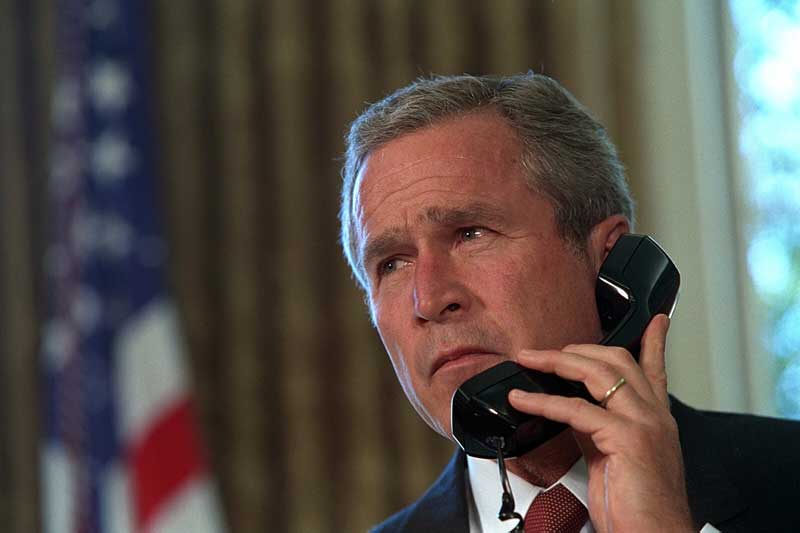
George W. Bush: “Major-League Asshole”
On November 6, 2000, during his presidential campaign, then-governor Bush labeled a New York Times reporter by the name of Adam Clymer: > “a major-league asshole.” Bush later apologized, but the moment became shorthand for the perils of live microphones.
Once in the White House, Bush generally kept his language cleaner, opting for folksy “Bushisms” over outright profanity. Beyond the Clymer incident, no other publicized instances of harsh swear words on live microphones have emerged from his eight years in office—his reputation remained one of plainspoken, if sometimes gaffe-prone, speech rather than profanity.
Despite George W. Bush’s avoidance of using profanity during his presidency, his critics would not remember him with fondness. To critics, his actions rather than his words spoke much louder. Under his presidency, it was the Bush Administration that launched the War on Terror and its repercussions on international air travel, the invasion and war on Iraq, and the disastrous economic crisis that followed it.
Bill Clinton: No Sh*t
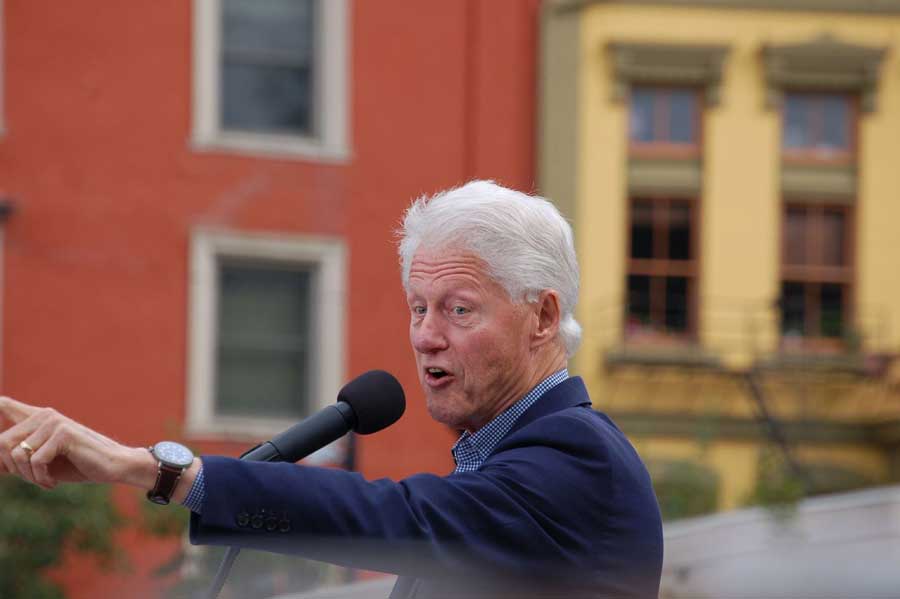
Bill Clinton was celebrated for his charm and polished public charisma, yet even he let slip moments of unfiltered urgency when the pressure mounted.
Years later after leaving office, on April 21, 2008—just before Pennsylvania’s crucial Democratic primary—Bill Clinton phoned into Fresh Air, a live interview show produced by WHYY in Philadelphia. Defending his comparison of Barack Obama’s New Hampshire win to Jesse Jackson’s 1984 victories, he accused Obama’s team of “playing the race card.” Mid-rant, unaware his mic was still hot, he muttered to himself, “I don’t think I should take any sh*t from anybody on that, do you?” The audio clip went viral almost instantly, earning its place as one of modern political history’s most infamous live-mic gaffes.
Moments like these reveal that even the most skilled statesman may abandon polish for raw candor when the stakes are high.
Barack Obama: “Bullsh*tter” in Rolling Stone
During the wake of Kanye West’s 2009 VMA interruption, then-president Barack Obama—speaking off-camera during a CNBC interview—dryly observed Kanye and mentioned, “He’s a jackass.” An ABC News staffer inadvertently tweeted the remark, triggering prompt apologies to both the White House and CNBC. It stands out as a rare instance of a sitting president delivering such pointed, unscripted critique in real time.
In a 2012 interview with Rolling Stone, President Obama remarked of then-candidate Mitt Romney: > “He’s a bullsh*tter.” Though Obama defended it as an honest opinion, critics argued it breached presidential dignity. Yet supporters of Obama saw a refreshing glimpse of the man behind the lectern; quite similar to how supporters of Trump see his profanity as a refreshing perspective away from formal decorum.
Joe Biden: “Big F*cking Deal”
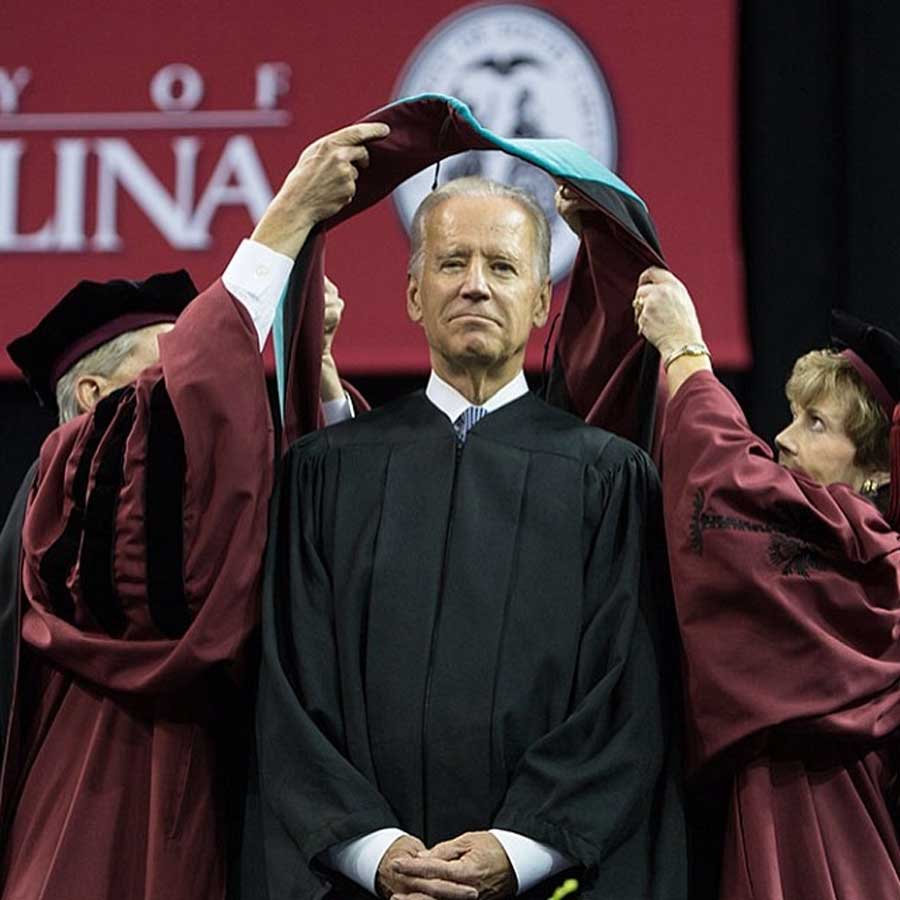
On March 2010, in a private press conference marking the Affordable Care Act signing, Vice President Biden whispered to Obama: > “This is a big f*cking deal.” Though off-record at the time, the clip leaked—and Biden’s exuberance underscored how close aides share candid moments that sometimes slip into public view.
Then during January 2022 a hot mic captured Biden calling FOX News’s Peter Doocy a “stupid son of a bitch” when he got annoyed by the FOX correspondent’s question on inflation. Inside the West Wing, senior aides recount that urgent briefings sometimes prompt choice invectives—phrases like “God damn it” or “get the f*ck out of here”—as he presses staff for critical information. While none of these candid outbursts ever surface in formal speeches, they offer a rare glimpse of the raw pressure behind the presidency.
Why Presidents Swear: The Psychology of Power and Stress
Historians and psychologists point to several drivers behind presidential profanity:
- Cognitive relief. Cursing triggers endorphins, offering momentary stress relief.
- Social bonding. In private settings, swearing can encourage camaraderie among staff.
- Emotional emphasis. An expletive can highlight urgency or disgust more effectively than a mild synonym.
Short and sweet: swearing is goddamn f*cking easy and feels good at times.
Yet presidents must calibrate profanity carefully: too much offends public decorum; too little can leave them appearing distant. The art lies in knowing when—and how—to swear.
Media Reaction: Then and Now
In the Truman years, no one was secretly taping presidents, so any off-the-record curse words stayed inside the White House. Since leaks were rare and the press corps smaller, even an occasional slip had virtually no impact on approval ratings.
During Nixon’s time, the Oval Office tapes broke the mold: exposing raw expletives and fueling the Watergate scandal. Once those recordings went public, hidden profanity became front-page news—and a potent political weapon.
By the early 2000s when the Internet surged, 24/7 cable networks and online activity meant even a stray “major-league asshole” spoken by George W. Bush could circulate instantly. Such gaffes made headlines but seldom derailed presidencies unless they reinforced deeper policy criticisms.
Fast-forward to Donald Trump’s era, his blunt style with live F-bombs was replayed throughout social platforms with viral speed. In his case, every word carried double weight: critics pounced on gaffes, while supporters saw candor.
Nowadays, a single off-hand “f*ck” can circle the globe in seconds.
A Tradition of Unscripted Language
From Lincoln’s rants to Trump’s on-air expletive, American presidents have used profanity to cope, convey and connect with people. They’ve tapped raw language to express frustration, humanize their image or rattle opponents. Even as presidential communications teams refine every syllable, history reminds us that the highest office in the land has never been immune to the occasional splash of uncensored color.
Authenticity in Every “F*ck” Spoken
President Trump’s recent F-bomb may seem jarring to people of elegant decorum, but it stands in a long tradition of Oval Office profanity. When a president swears, it does more than shock—it opens a window into the stresses and sincerity of leadership. A well-placed “f*ck” can maximize frustration with world events or lend authenticity to scripted moments; and sometimes remind citizens that their commander-in-chief is, above all, human.
So the next time a presidential expletive breaks the news cycle, let’s not rush to judge. Instead, we might smile at our shared humanity and remember that even the most powerful wordsmiths sometimes reach for the nearest four-letter word. After all, in politics as in life, a dash of frankness can go a long way—encouraging us all to speak with honesty.
After all, F-Bombs sure take swearing into office to a whole new level.
Header Image: Donald Trump uncensored. By Gage Skidmore. Source: CC BY-SA 2.0
References:
- Kanter, Jake, and Ted Johnson. “Trump Rages at Ongoing Israel-Iran Hostilities Live on TV: ‘They Don’t Know What the F*ck They’re Doing.’” Deadline, 24 June 2025, https://deadline.com/2025/06/trump-israel-iran-what-the-fuck-1236440986/.
- Burlingame, Michael. The Inner World of Abraham Lincoln. University of Illinois Press, 1994.
- Deis, Robert. “I Didn’t Fire Him Because He Was a Dumb Son of a Bitch, Although He Was…” This Day in Quotes, 11 Apr. 2014, https://www.thisdayinquotes.com/2014/04/i-didnt-fire-him-because-he-was-a-dumb-son-of-a-bitch-although-he-was/.
- Kensmind. “Presidents Behaving Badly: LBJ Manhandles a Prime Minister.” POTUS Geeks, LiveJournal, 23 Mar. 2016, https://potus-geeks.livejournal.com/699488.html.
- Curry, Tom. “Angry Nixon: New Tapes Reveal an Overwrought President in Grips of Watergate.” NBC News, 22 Aug. 2013, https://www.nbcnews.com/politics/politics-news/angry-nixon-new-tapes-reveal-overwrought-president-grips-watergate-flna6c10972359.
- Clymer, Adam. “George W. Bush Called Me a ‘Major League Asshole.’ Things Are Very Different Now for Chuck Todd—And the Rest of Us Too.” Time, 12 Mar. 2018, https://time.com/5196689/chuck-todd-donald-trump/.
- Lizza, Ryan. “Bill Vs. Barack.” The New Yorker, 28 Apr. 2008, https://www.newyorker.com/magazine/2008/05/05/bill-vs-barack.
- McGee, Madison. “People Can’t Stop Talking About Joe Biden Calling a Fox News Reporter ‘A Stupid SOB,’ So I Found 11 Other Presidents Who Have Been Caught Cursing.” BuzzFeed, 28 Jan. 2022, https://www.buzzfeed.com/madisonmcgee/joe-biden-fox-news-cursing-presidents.